

Spelling proficiency forms the foundation of effective English communication, yet many learners struggle with complex spelling rules and patterns. PDF Agile presents a revolutionary solution through our specialized Spelling Worksheet template—a comprehensive tool designed to transform spelling practice into an engaging, systematic learning experience. This meticulously crafted template guides learners through three progressive difficulty levels, from basic word recognition to advanced spelling applications.
How Can Our Spelling Rules Worksheet Transform Your Learning Journey?
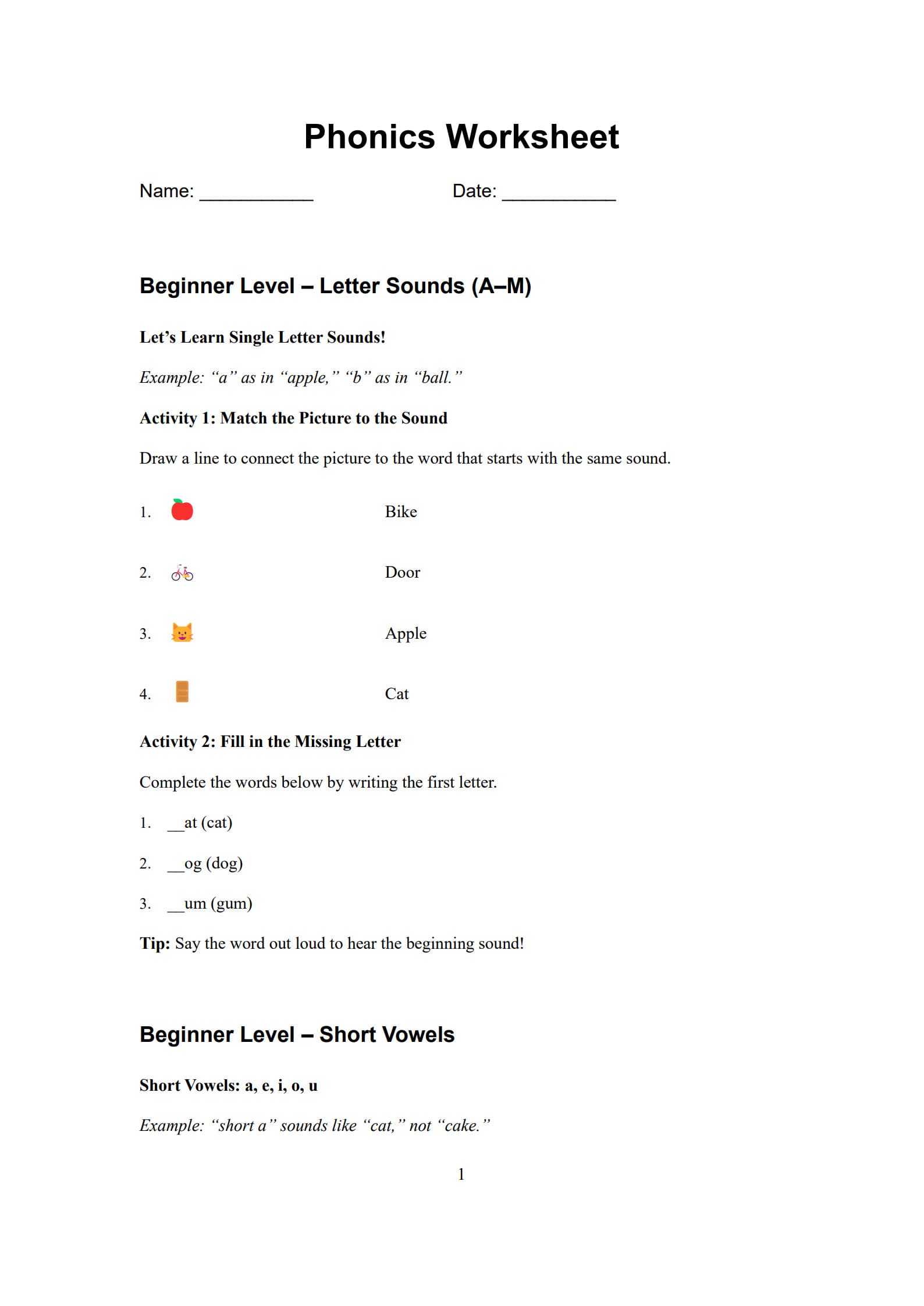
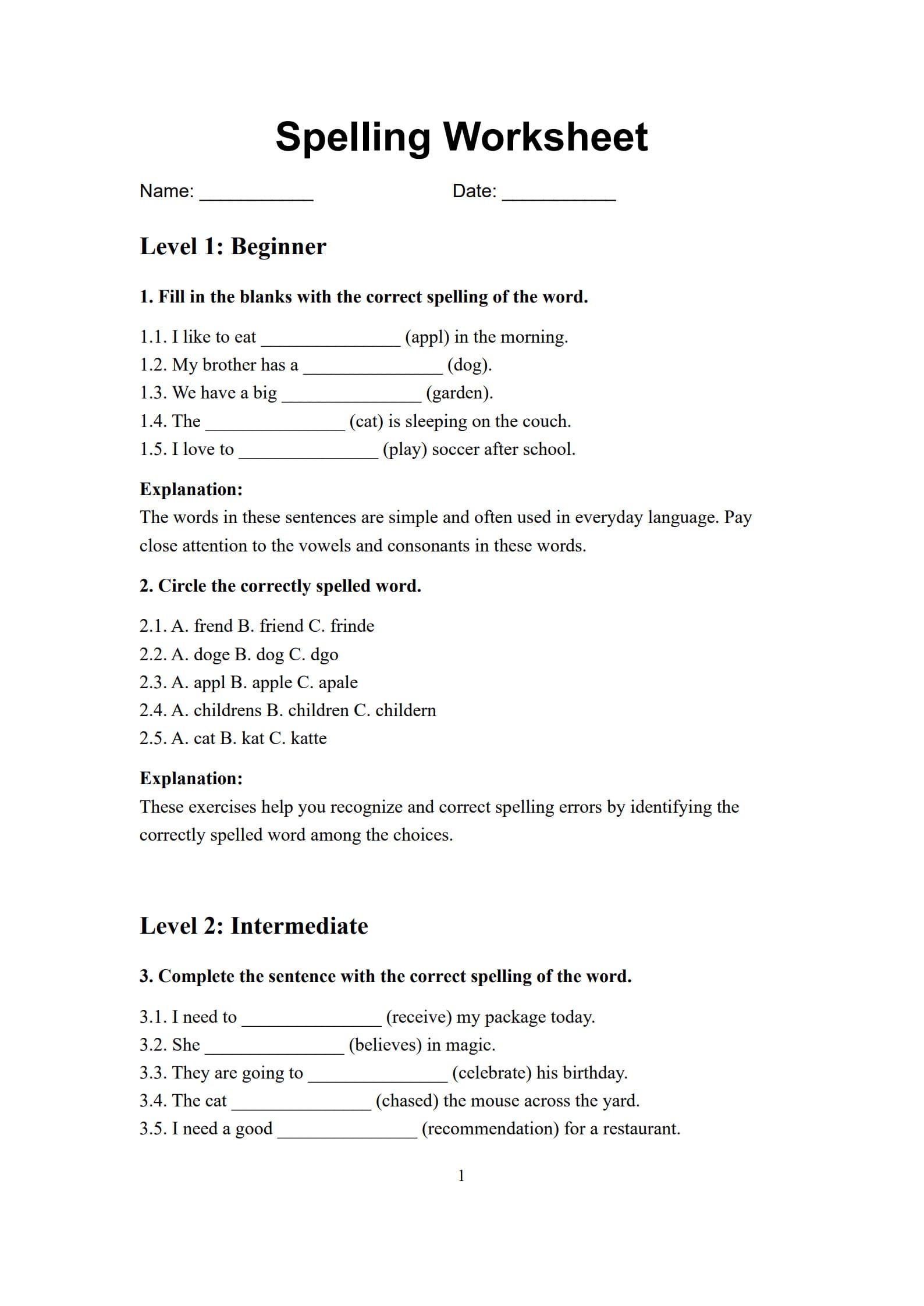
What if you could systematically conquer spelling challenges through a carefully structured approach? Our spelling rules worksheet is designed to build competence through progressive difficulty levels, ensuring learners develop solid fundamentals before advancing to complex words. The beginner level focuses on essential vocabulary—like distinguishing between “apple” and “apale” or “friend” and “frend”—establishing core recognition skills through simple exercises. Why do these basic distinctions matter? They create the foundation upon which all advanced spelling knowledge is built.
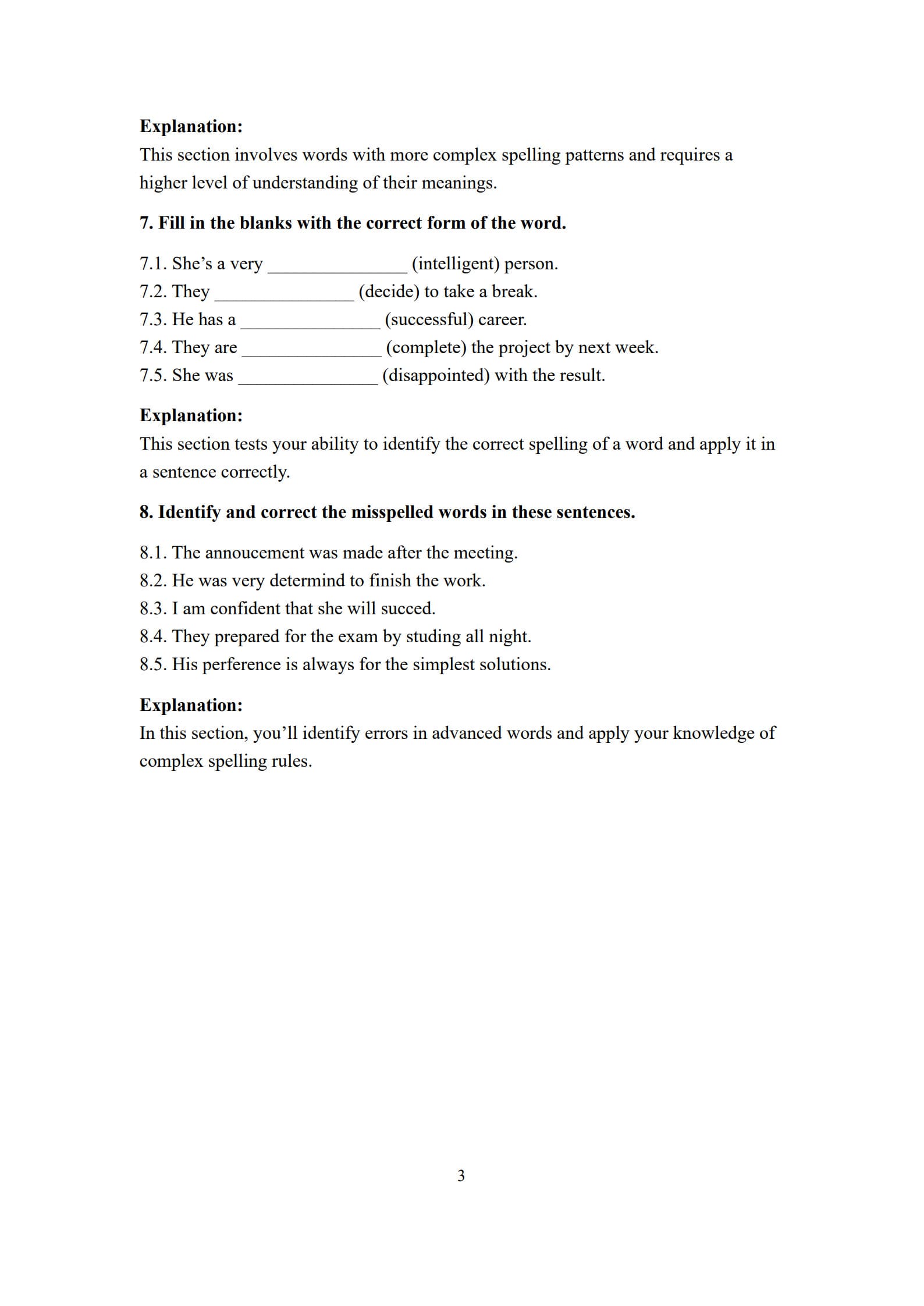
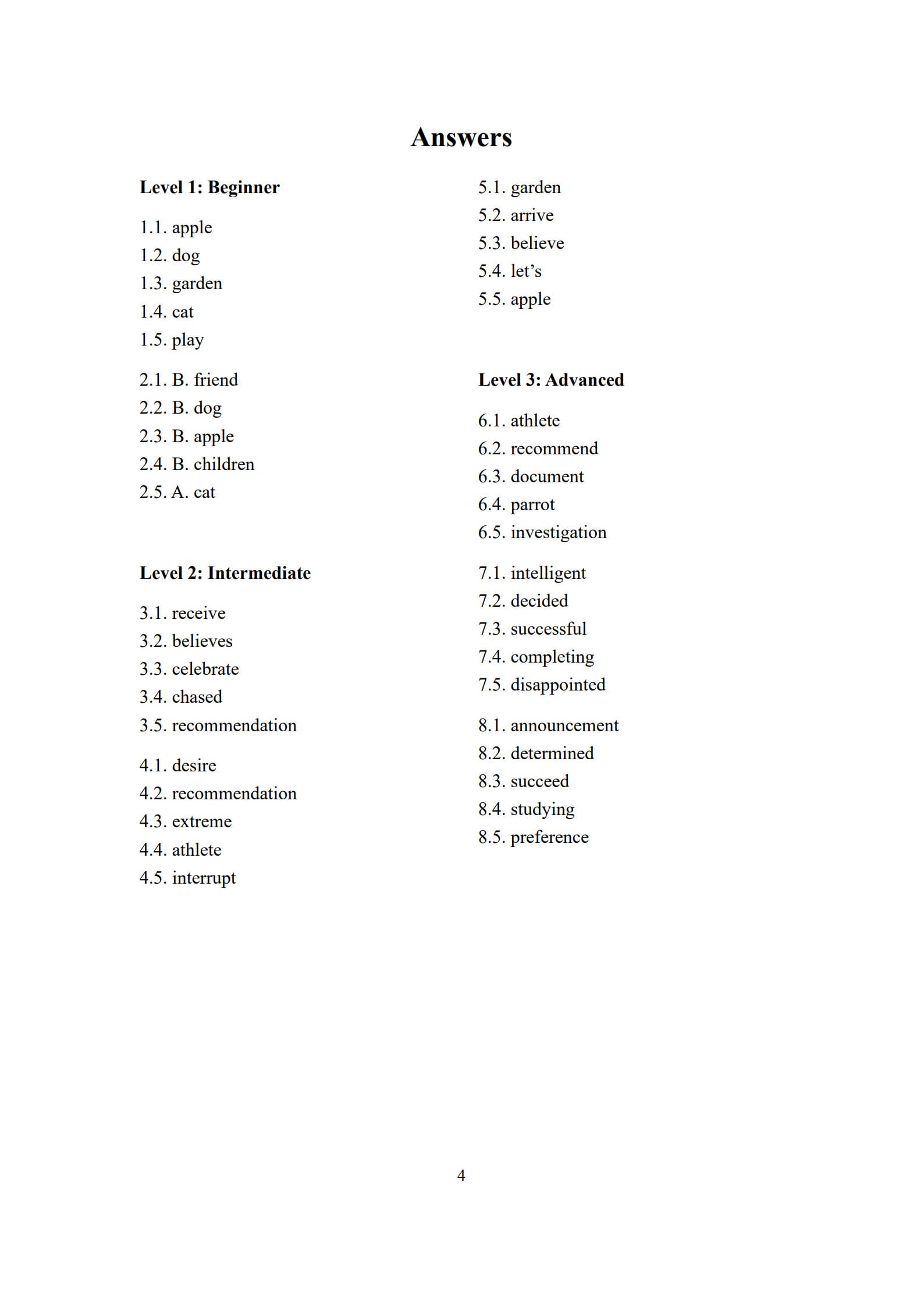
The intermediate section introduces commonly misspelled words that follow specific spelling patterns. When learners practice words like “receive” (not “recieve”) and “believe” (not “beleive”), they internalize the “i before e except after c” rule through practical application. Similarly, exercises with words like “recommendation” (not “recomendation”) reinforce the relationship between root words and their suffixes. This contextual learning approach ensures that spelling rules become intuitive rather than memorized facts.
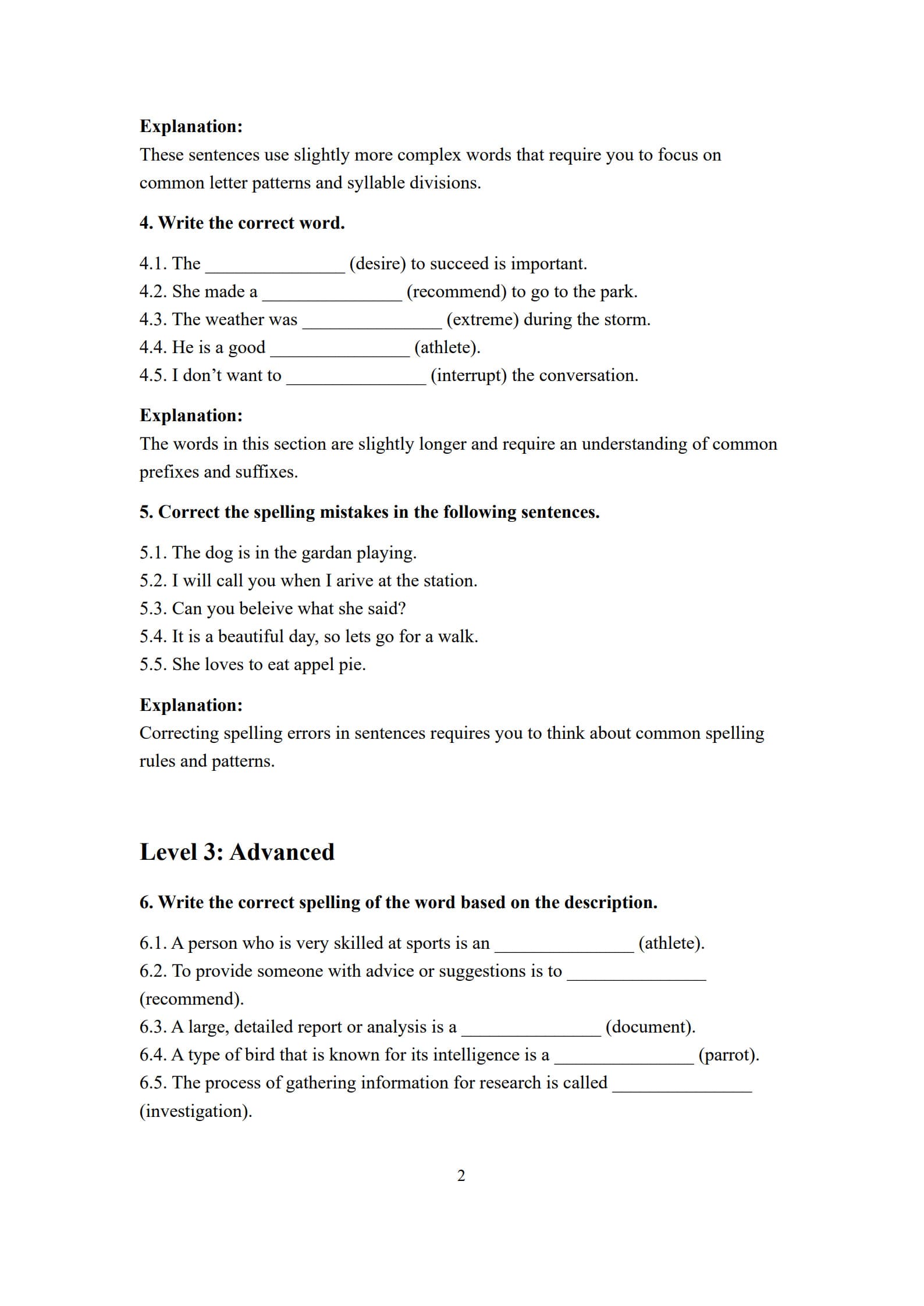
The advanced level challenges learners with vocabulary requiring deeper linguistic understanding. Words like “athlete” (not “athlete”) and “preference” (not “perference”) test knowledge of silent letters and prefix variations. Through exercises that require correcting misspelled words in context—such as fixing “studing” to “studying”—learners develop proofreading skills essential for real-world writing tasks. This comprehensive progression ensures that every spelling practice session moves you measurably toward mastery.
What Makes Our Common Misspellings Worksheet Different from Traditional Methods?
Traditional spelling worksheets often present words in isolation, but PDF Agile’s common misspellings worksheet integrates vocabulary within meaningful contexts. Why does this methodological difference matter? When you encounter words like “garden” misspelled as “gardan” within a complete sentence (“The dog is in the gardan playing”), you practice spelling correction as it occurs in actual writing scenarios. This contextual approach bridges the gap between spelling exercises and practical application.
Our template strategically addresses the most frequently misspelled words across beginner, intermediate, and advanced levels. Consider the exercise that presents “children” alongside incorrect options like “childrens”—this directly targets the common mistake of adding unnecessary pluralizations. Similarly, the choice between “cat,” “kat,” and “katte” teaches phonetic spelling pitfalls. By anticipating where learners typically struggle, our worksheet provides preemptive correction that prevents errors from becoming habitual.
The worksheet’s multifaceted approach ensures comprehensive skill development. While some sections focus on word selection (circling the correct spelling among options), others require active generation (filling in blanks with correctly spelled words). This variation between recognition and recall activates different cognitive processes, leading to more robust learning. When you transition from identifying “successful” as correct to actively writing “disappointed” in a sentence, you strengthen spelling retention through multiple neural pathways.
Maximizing Your Spelling Practice: A Strategic Approach
Effective spelling improvement requires more than simply completing exercises—it demands strategic engagement with the learning material. Our spelling bee worksheet format is designed to simulate competition conditions while providing immediate feedback opportunities. Approach each section with focused attention, and don’t rush through the exercises. The following table illustrates how to extract maximum benefit from each worksheet component:
| Worksheet Section | Learning Focus | Strategy for Mastery |
|---|---|---|
| Level 1: Beginner | Basic word recognition and vowel-consonant patterns | Read each word aloud before writing; create flashcards for words that challenge you |
| Level 2: Intermediate | Common spelling patterns and prefix/suffix rules | Identify the spelling rule applied (e.g., “i before e”) and create additional examples |
| Level 3: Advanced | Complex spelling rules and error identification | Practice proofreading by hiding answers initially, then checking against correct spellings |
| All Levels | Progressive difficulty building | Review previous levels periodically to reinforce retention before advancing |
The template’s integrated explanations provide immediate rule clarification that transforms mistakes into learning opportunities. When the worksheet explains that intermediate words “require focus on common letter patterns and syllable divisions,” it directs your attention to systematic approaches rather than rote memorization. This metacognitive layer—thinking about how you think about spelling—develops the self-monitoring skills essential for independent learning.
From Practice to Perfection: Building Long-Term Spelling Competence
Consistent engagement with our alphabet worksheet format develops spelling competence that transfers to real-world writing situations. The varied exercise types—from fill-in-the-blank to error correction—ensure that you encounter words in multiple contexts, deepening your understanding of their spelling patterns. When you repeatedly practice words like “recommend” across different sections (from “recommend” to “recommendation”), you build morphological awareness that helps you spell related word forms correctly.
The template’s careful scaffolding means that each success builds confidence for more challenging material. Beginning with straightforward words like “dog” and “cat” establishes a foundation of achievement before progressing to intermediate-level words like “celebrate” and “receive.” This progressive challenge system maintains motivation while ensuring skills develop at an appropriate pace. The advanced section’s focus on words like “investigation” and “announcement” prepares learners for academic and professional vocabulary demands.
How to Use This Template on PDF Agile: A Step-by-Step Guide
Implementing our Spelling Worksheet template through PDF Agile’s intuitive platform transforms spelling practice into an efficient, enjoyable process. Follow these simple steps to begin your spelling improvement journey:
Step 1: Access the Spelling Worksheet Template
Navigate to PDF Agile’s Template Library and search for “Spelling Worksheet.” Alternatively, click “Use Template” on this page to instantly access the pre-formatted worksheet. The template comes organized into three clear levels (Beginner, Intermediate, and Advanced) with answer keys included for self-assessment.
Step 2: Customize for Your Learning Needs
PDF Agile’s editing tools allow you to personalize the worksheet without altering its core structure. Highlight sections that match your current learning objectives, add notes to specific exercises, or duplicate pages for repeated practice. The platform preserves the original template while allowing adaptations that maximize your learning experience.
Step 3: Complete Exercises with Interactive Tools
Utilize PDF Agile’s fill-and-sign features to complete exercises directly within the app. The form field recognition automatically identifies blank spaces for words like “apple” and “garden,” making input seamless. For circling exercises (like choosing between “frend,” “friend,” and “frinde”), use the drawing tool to mark your selections clearly.
Step 4: Review and Track Your Progress
After completing each section, compare your answers with the provided answer key. PDF Agile’s comment feature allows you to make notes on challenging words or patterns for future review. Save your completed worksheets to create a spelling portfolio that visually demonstrates your improvement over time.
Step 5: Share and Collaborate
If you’re learning with a study group or working with a tutor, use PDF Agile’s sharing features to collaborate.
Conclusion
Spelling mastery is not an innate talent but a developable skill that requires structured practice and the right learning tools. PDF Agile’s Spelling Worksheet template provides this essential structure through its carefully designed progression from basic word recognition to advanced spelling application. By addressing common misspellings within meaningful contexts and providing immediate feedback opportunities, this resource transforms spelling practice from a tedious chore into an engaging learning journey.
We invite you to experience the transformative potential of systematic spelling practice through PDF Agile’s innovative platform. By integrating this template into your regular learning routine, you’ll not only improve your spelling accuracy but also develop a deeper appreciation for the patterns and beauty of the English language. Begin your journey toward spelling mastery today—your future self will thank you for the investment in clear, confident communication.