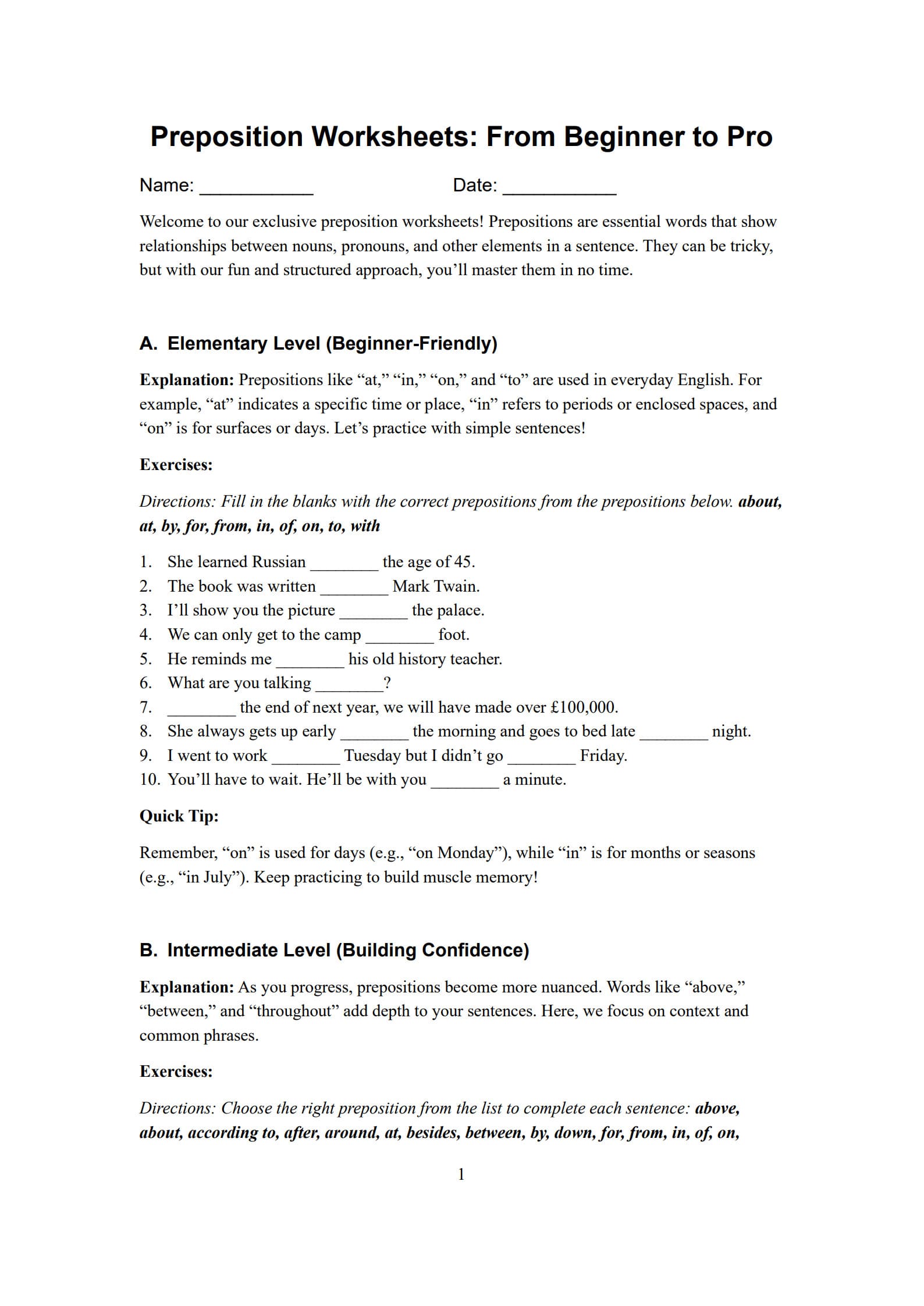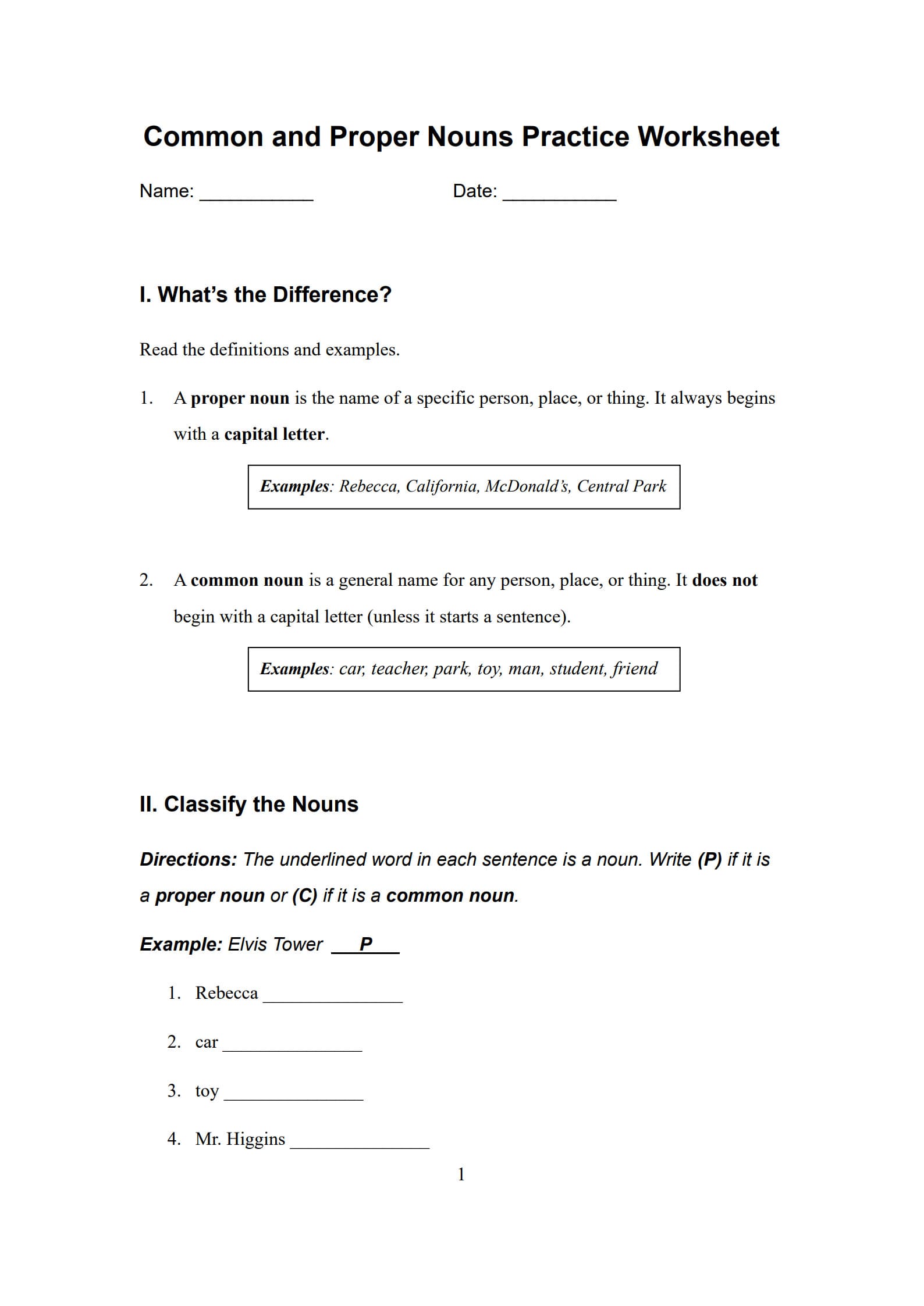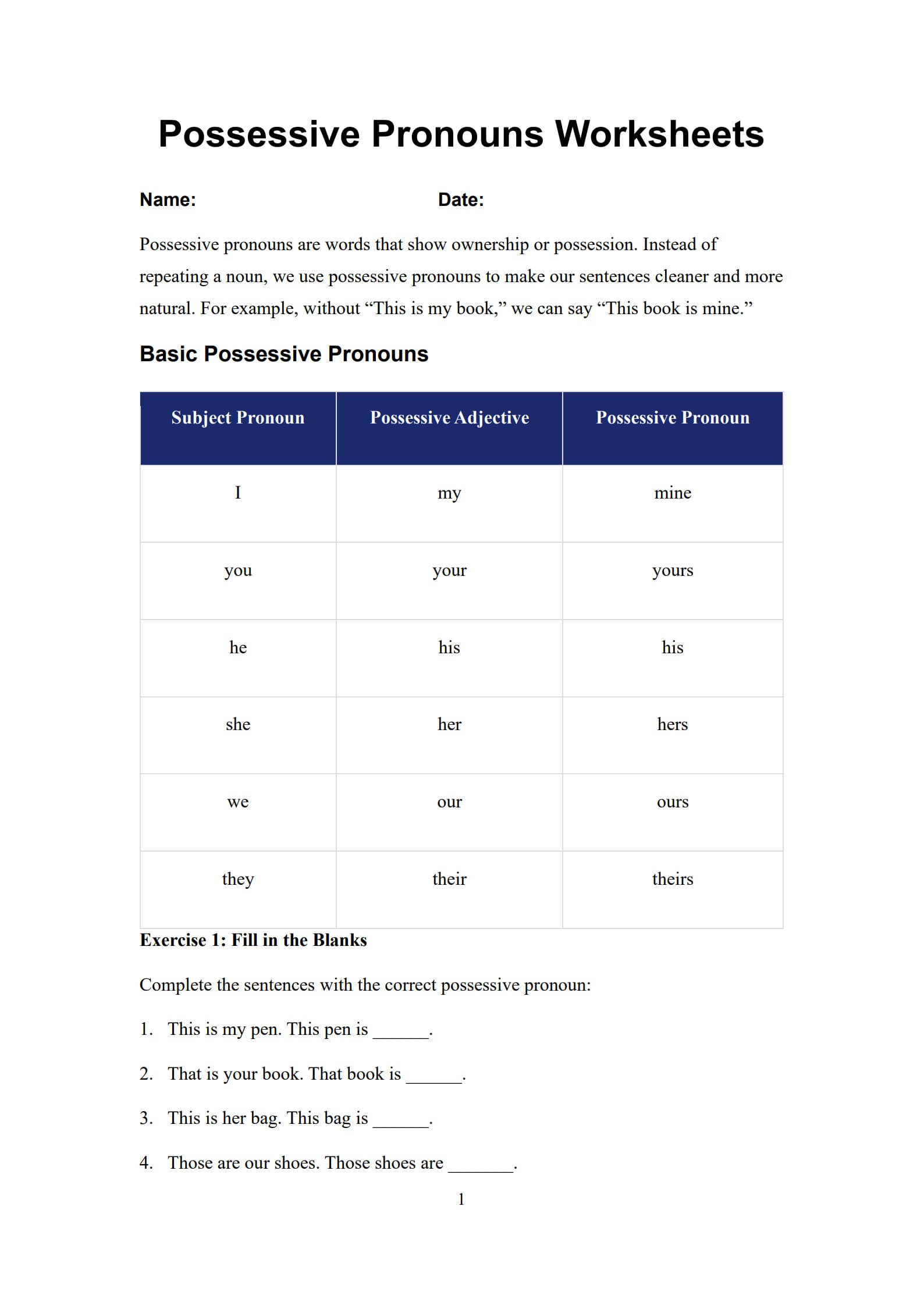


Mastering the English alphabet is the foundation of language learning, and PDF Agile’s Alphabet Worksheet template transforms this journey into an interactive, structured experience. Designed for learners at all levels—from beginners tracing their first letters to advanced students crafting alphabet-rich stories—this template combines pedagogy with innovation. By integrating exercises like letter recognition, matching activities, and sequencing challenges, the template ensures progressive skill development. In this essay, we’ll explore how the Alphabet Worksheet template, pre-filled with examples from the completed version, can be seamlessly customized and used within PDF Agile’s app. Whether you’re an educator, parent, or self-learner, this guide will help you create dynamic, personalized learning tools that make alphabet practice both effective and enjoyable.
Why Are ABC Worksheets Fundamental to Early Literacy?
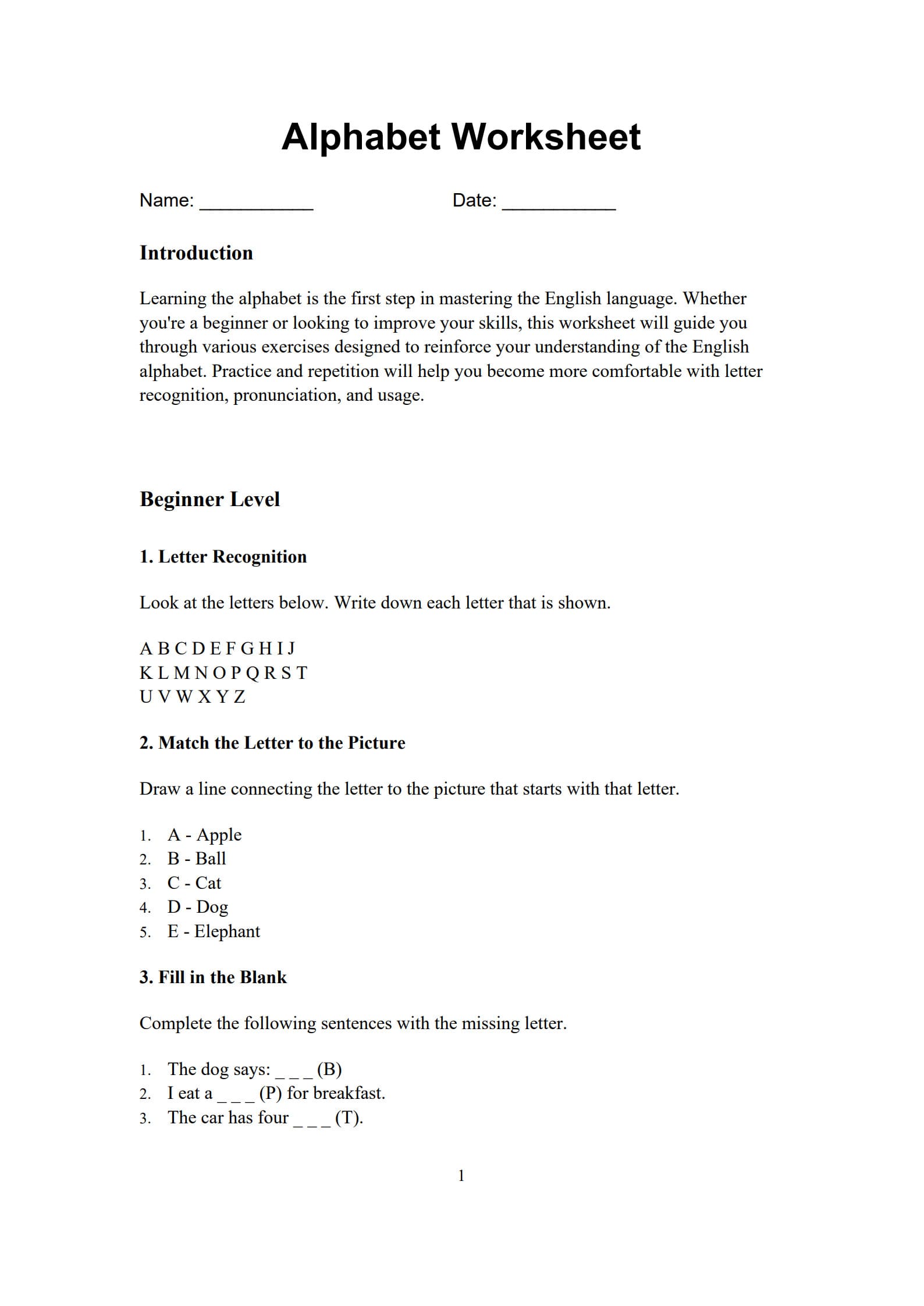
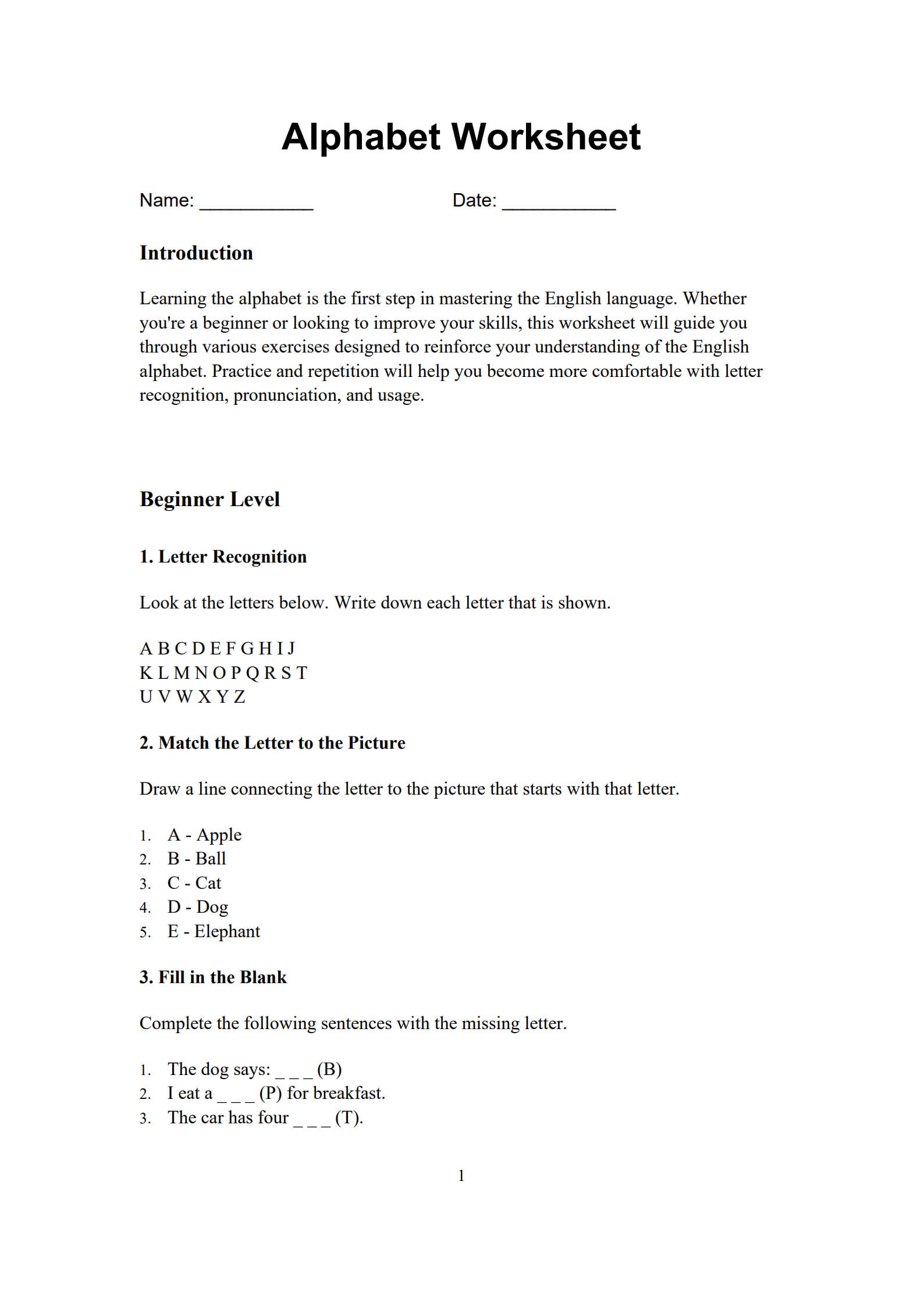
ABC worksheets serve as the cornerstone of literacy by breaking down the abstract concept of letters into tangible, manageable exercises. The Alphabet Worksheet template in PDF Agile includes letter recognition tasks, such as identifying uppercase letters from A to Z, and picture-matching activities (e.g., linking “A” to an apple or “B” to a ball). These activities reinforce associative learning, helping beginners connect visual symbols to real-world objects.
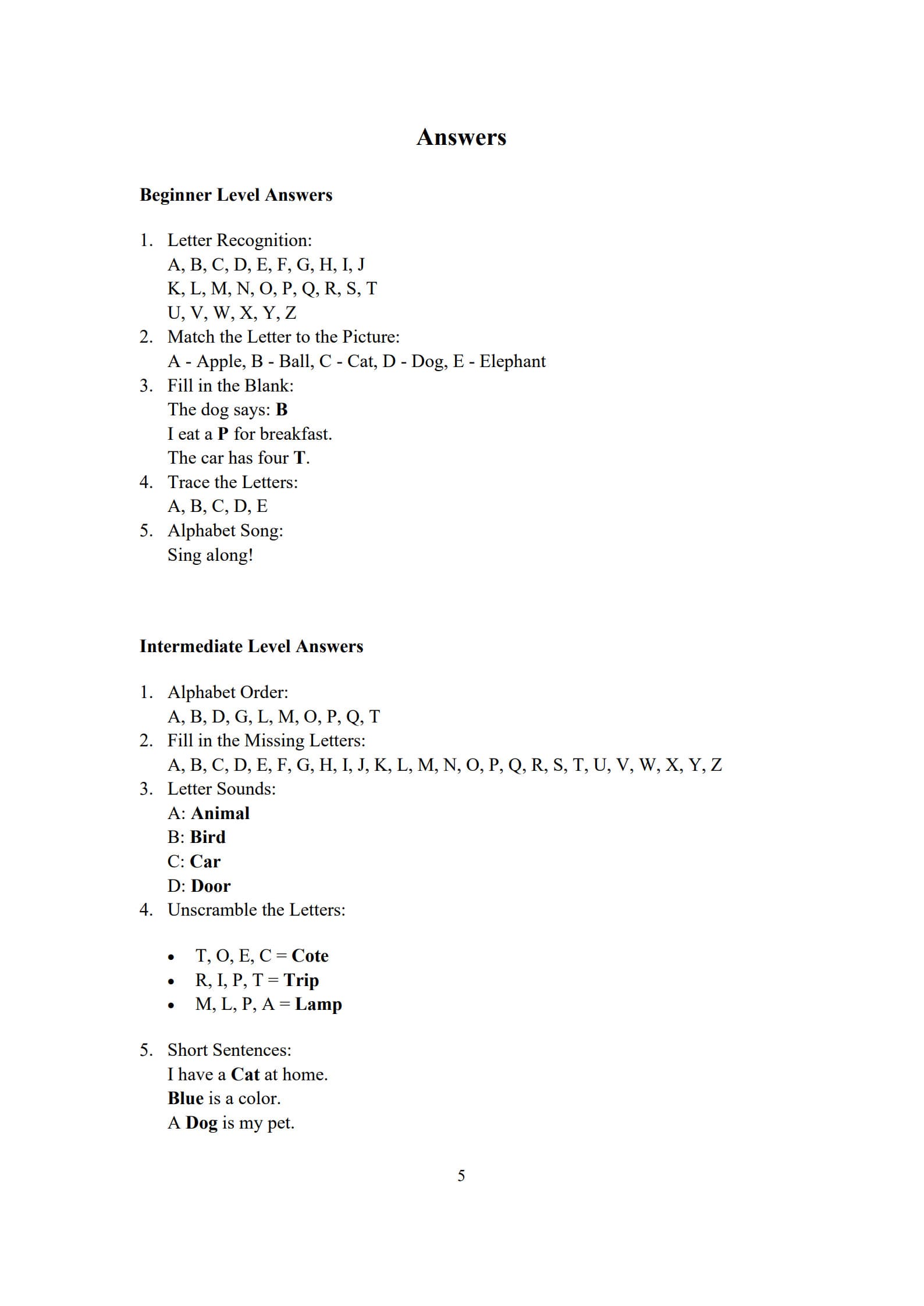
For instance, the template’s Fill in the Blanksection—where learners complete sentences like “The dog says: B” or “The car has four T”—encourages contextual understanding. By repeating these exercises, students internalize letter sounds and applications, building confidence before advancing to complex tasks. The template’s structured layout ensures that each activity aligns with foundational literacy goals, making it ideal for classroom use or at-home practice.
How Do Letter A Worksheets and Tracing Activities Boost Writing Skills?
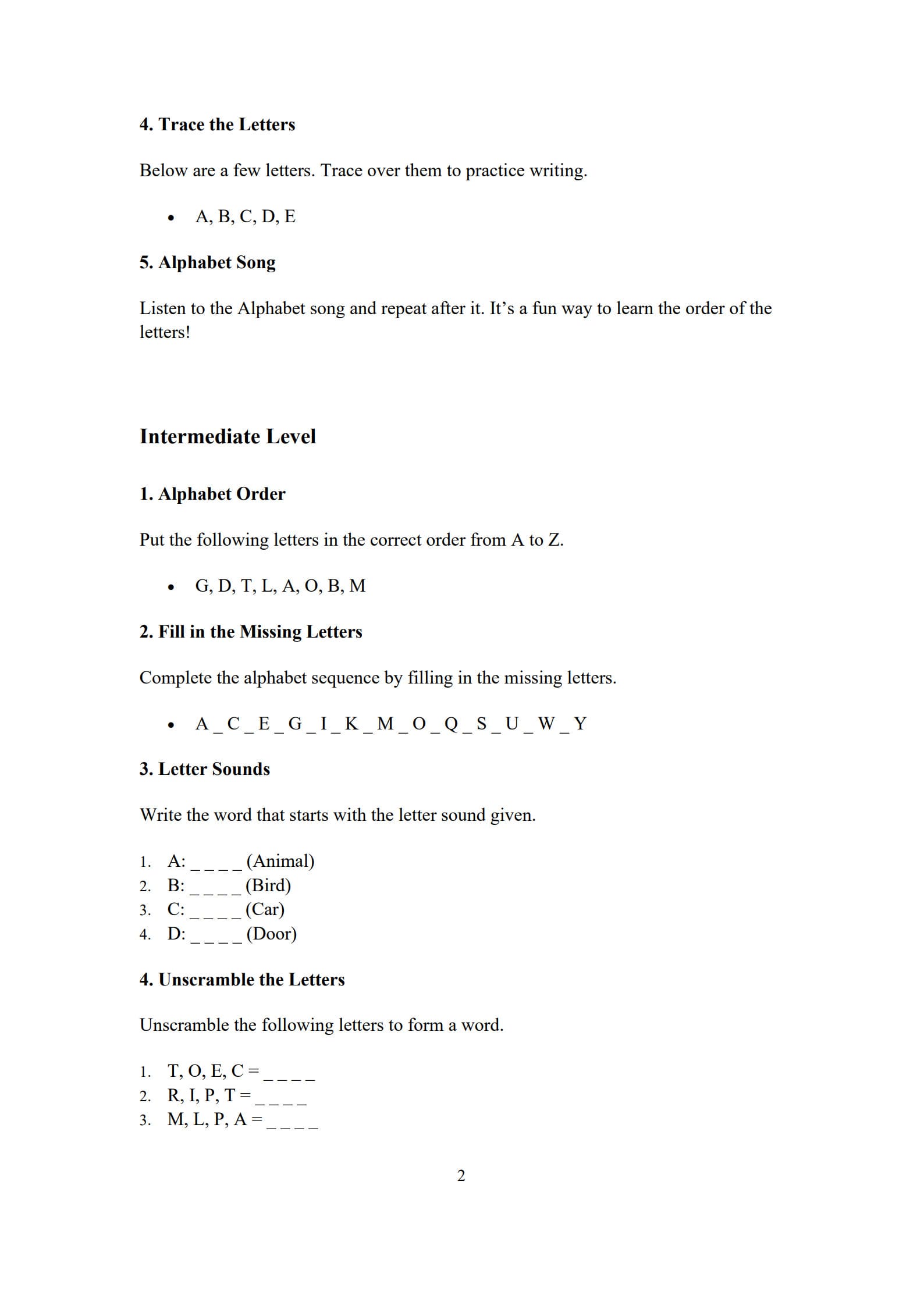
Letter A worksheets and alphabet writing practice exercises are specifically designed to develop fine motor skills and muscle memory. In PDF Agile’s template, the Trace the Letters section (featuring A–E) guides learners through the correct strokes for each letter, reducing hesitation and improving handwriting fluency. Tracing not only reinforces shape recognition but also prepares students for independent writing.
Similarly, the Intermediate Level task of ordering letters (e.g., sequencing G, D, T, L, A into A, B, D, G, L, etc.) sharpens cognitive organization. These activities are complemented by letter tracing prompts, which bridge the gap between visual identification and physical execution. For example, by tracing “A” repeatedly, learners solidify its form before tackling advanced challenges like writing full words or sentences. This gradual progression ensures that skills are built systematically, minimizing frustration.
Enhancing Engagement Through Multi-Sensory Letter Recognition Worksheets
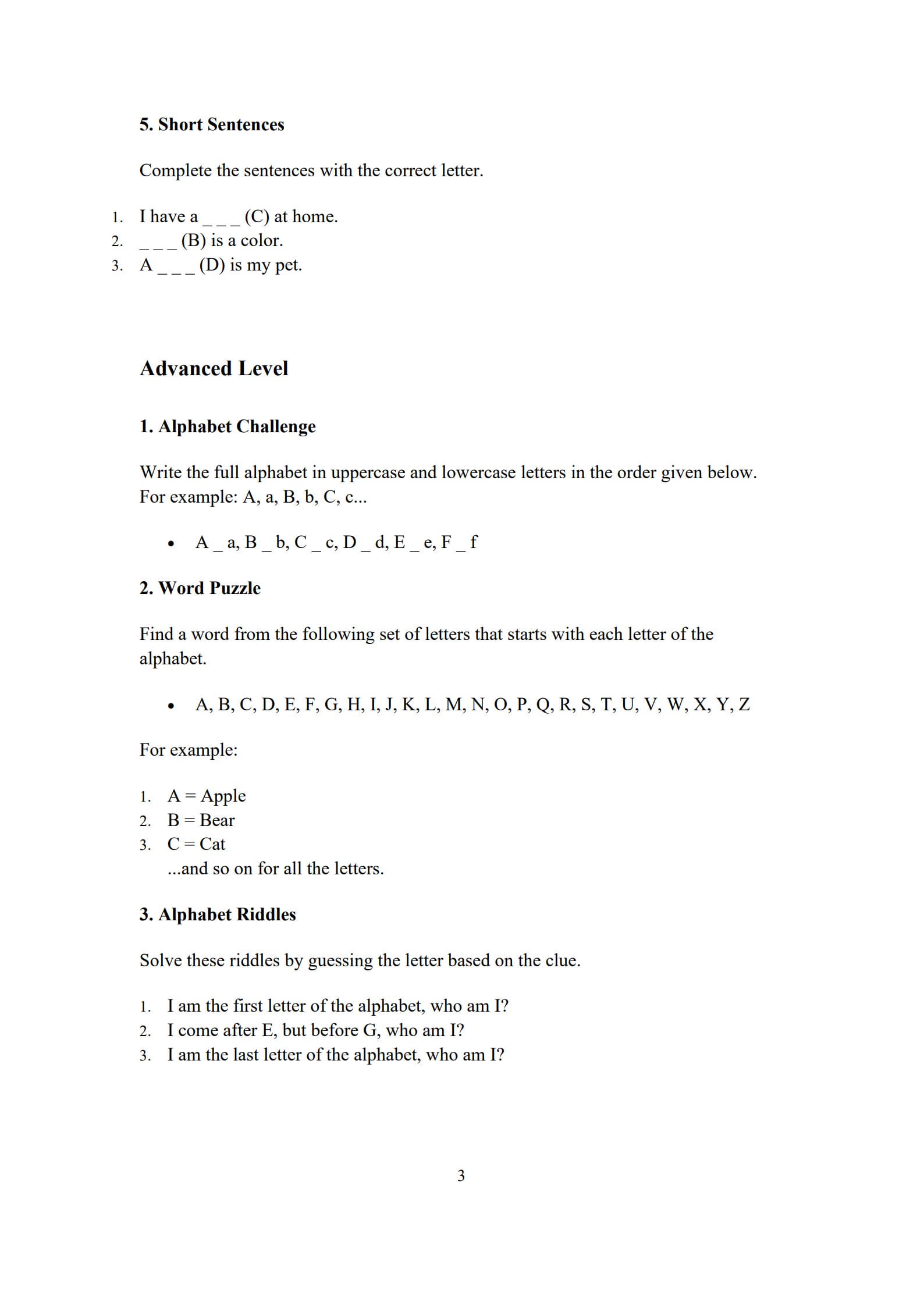
Letter recognition worksheets in PDF Agile’s template employ multi-sensory strategies to cater to diverse learning styles. The template includes visual exercises (e.g., matching letters to images), auditory tasks (e.g., reciting the Alphabet Song), and kinesthetic activities (e.g., unscrambling letters to form words like “COTE” or “LAMP”).
To illustrate the template’s versatility, consider the following table summarizing its multi-level approach:
| Activity Type | Beginner Example | Advanced Example |
|---|---|---|
| Letter Recognition | Identifying A–Z | Sequencing letters (A–Z) |
| Sound Association | Matching “B” to “Ball” | Writing words for sounds (e.g., “D” for “Door”) |
| Cognitive Challenges | Fill-in-the-blank sentences | Unscrambling letters into words |
This layered methodology ensures that learners remain engaged while reinforcing skills through repetition and variation.
From Letters to Stories: Advancing with Alphabet Writing Practice
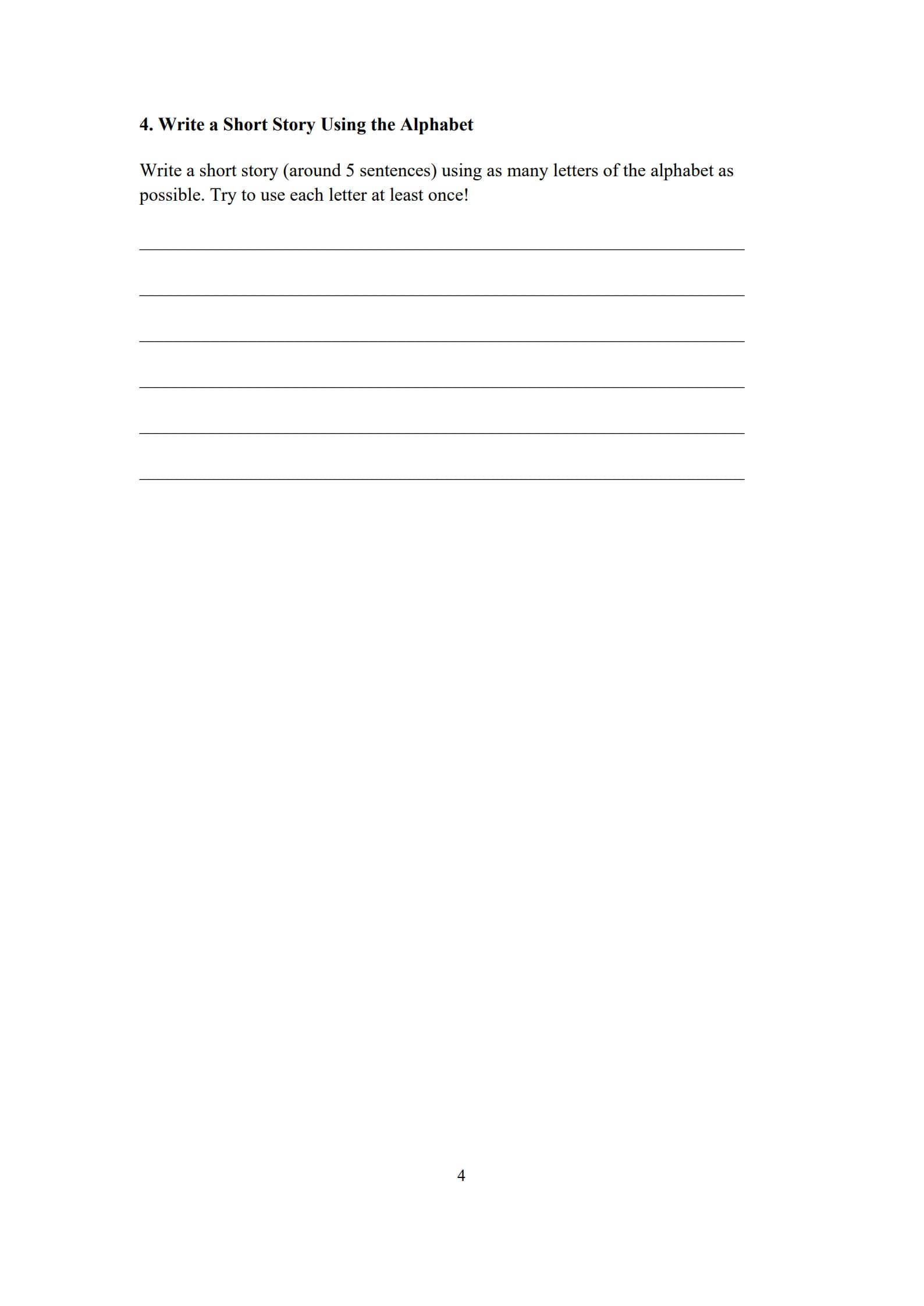
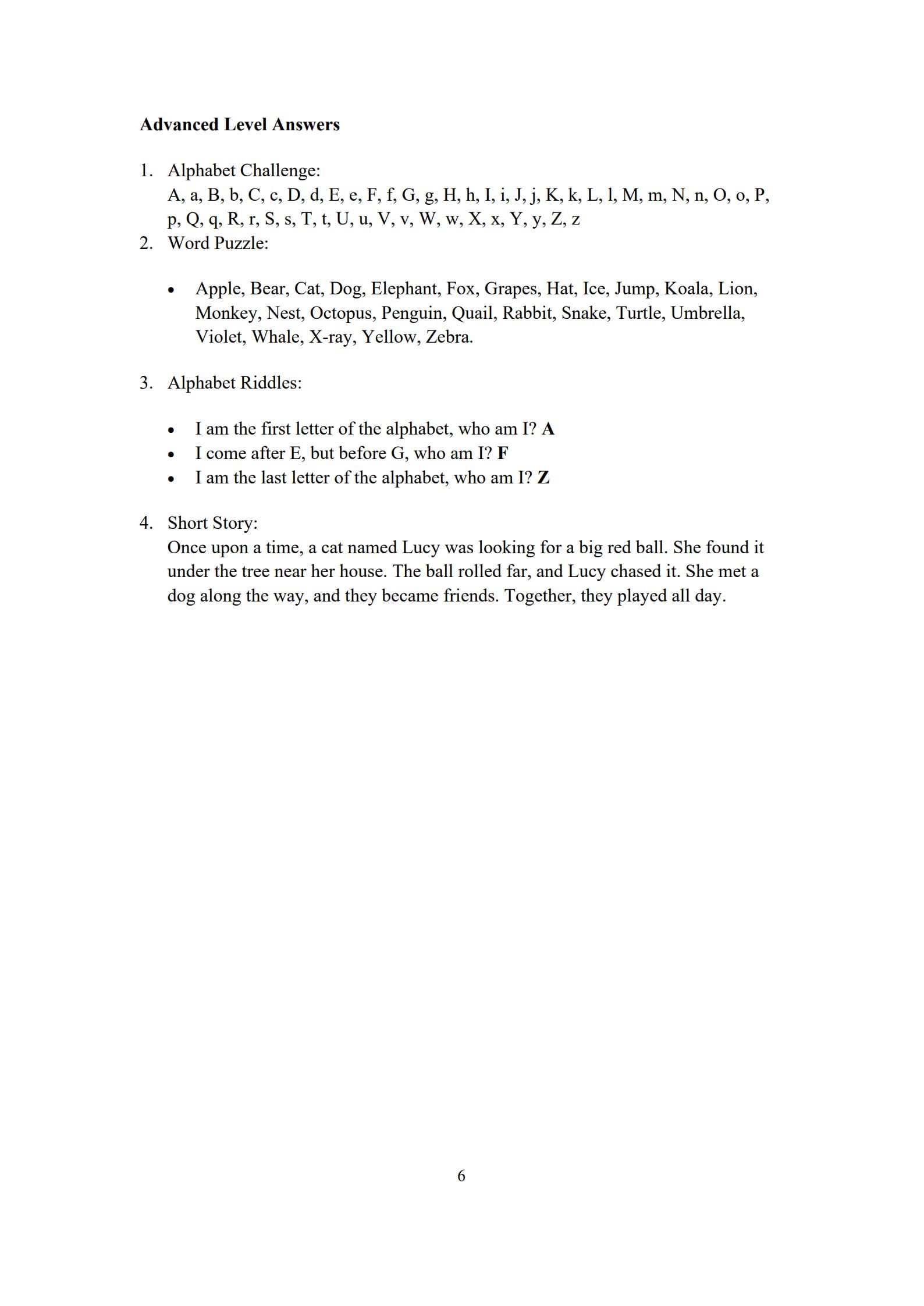
The template’s Advanced Level exercises, such as writing the alphabet in uppercase and lowercase pairs (A, a, B, b, etc.) or crafting a short story using all 26 letters, push learners toward fluency. These tasks transform rote memorization into creative expression. For example, the completed template’s story—”Once upon a time, a cat named Lucy…”—demonstrates how to weave letters into narrative writing, encouraging learners to experiment with vocabulary and structure.
Additionally, riddles (e.g., “I come after E but before G—who am I?”) add an element of playfulness, making learning feel like a game. By progressing from tracing single letters to constructing coherent paragraphs, students develop a holistic command of the alphabet, preparing them for real-world communication.
How to Use the Alphabet Worksheet Template in PDF Agile
Customizing the Alphabet Worksheet template in PDF Agile is a seamless process. Follow these steps to create personalized worksheets in minutes:
Step 1: Access the Alphabet Worksheet Template
Navigate to PDF Agile’s Template Library and select the “Alphabet Worksheet” template. Click “Use Template” to open it directly in the app. The pre-filled exercises (e.g., letter tracing lines, matching activities) will appear as editable fields.
Step 2: Customize Content
Modify any section to suit your learner’s needs. For example:
- Replace pictures in the Match the Lettersection (e.g., swap “Apple” for “Ant”).
- Adjust difficulty by editing Fill in the Blanksentences (e.g., change “I eat a P for breakfast” to “I eat a B for breakfast”).
- Add your own tracing guides or riddles using PDF Agile’s text and drawing tools.
Step 3: Save and Start Another Exercise
Export the finalized worksheet as a PDF for printing or digital sharing. You can also start Common and Proper Nouns Exercise or Reading Comprehension Exercise.
Conclusion
PDF Agile’s Alphabet Worksheet template transcends traditional learning methods by offering a dynamic, adaptable toolkit for alphabet mastery. From letter recognition worksheets that build foundational skills to alphabet writing practice tasks that foster creativity, every component is designed to engage and challenge learners. By leveraging PDF Agile’s user-friendly customization features, educators and parents can create tailored resources that address individual pacing and interests.
As language learning evolves, tools like this template ensure that literacy education remains accessible, interactive, and fun. We encourage you to explore the template in PDF Agile—whether to reinforce early literacy or to spark advanced vocabulary building—and witness how structured practice can unlock lifelong communication skills.