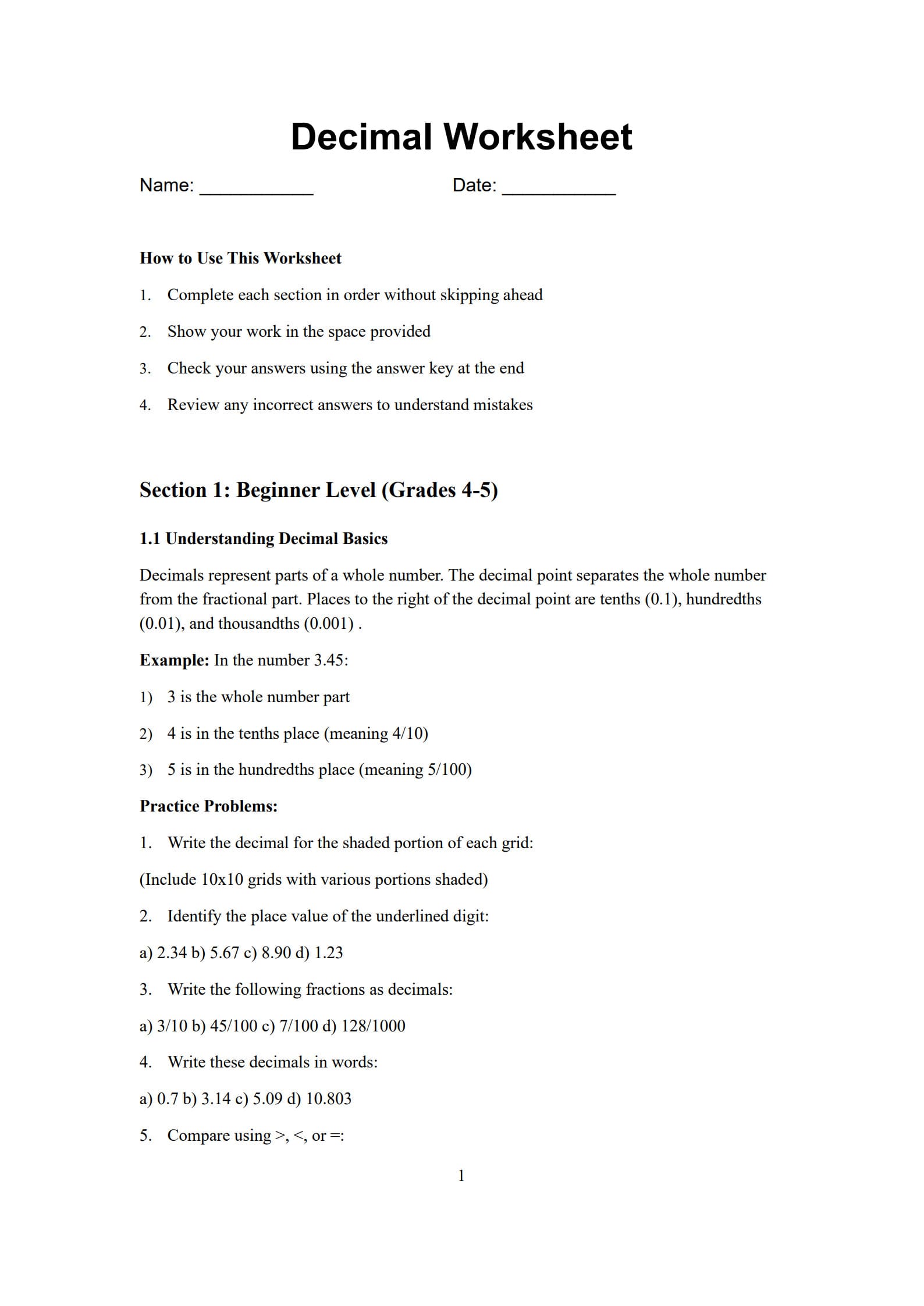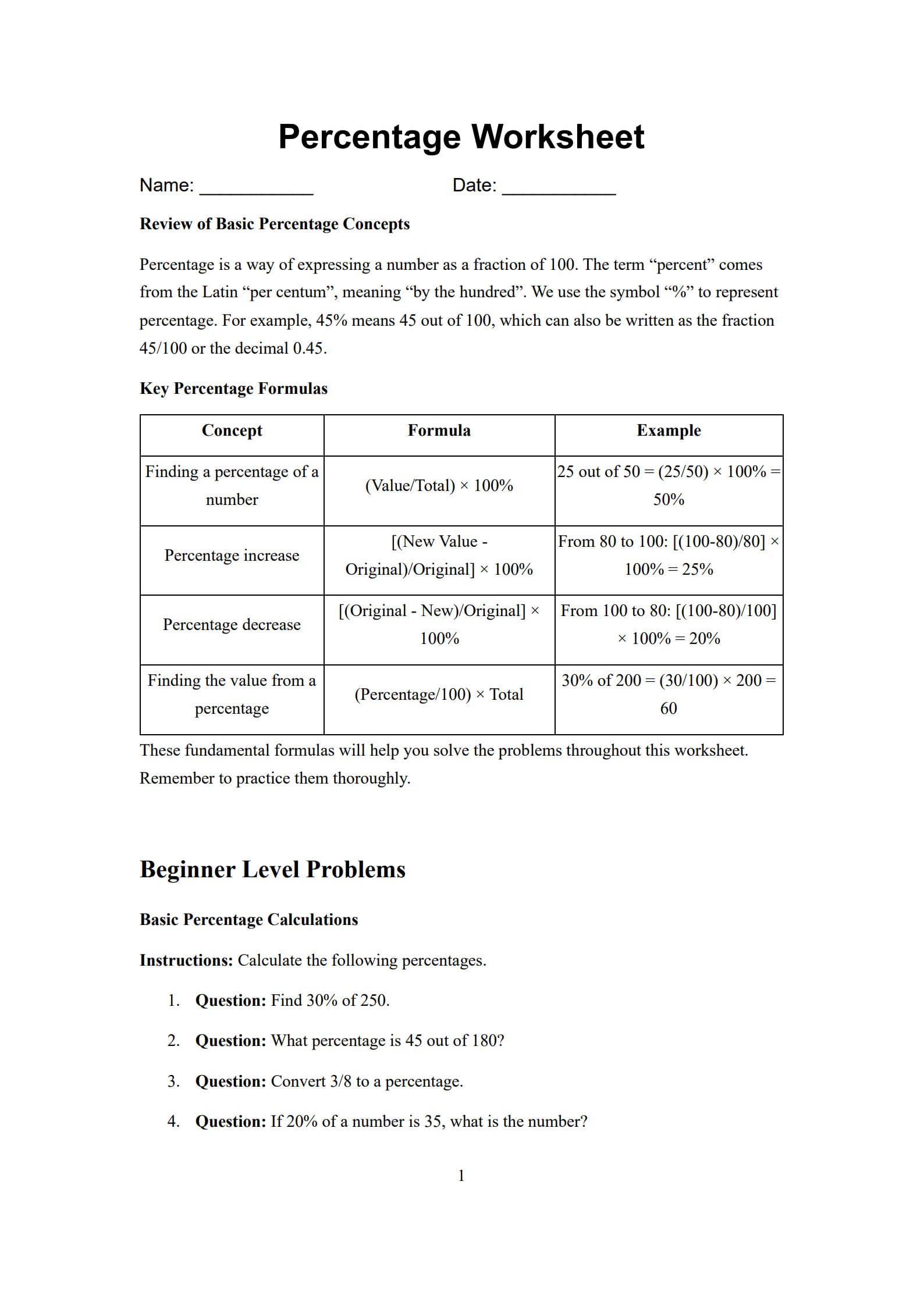


Welcome to the official PDF Agile resource library, where we transform complex learning into engaging, accessible experiences. For educators, parents, and students navigating the world of geometry, a clear, structured, and progressive approach is key to building confidence and skill. This is precisely why we are excited to present our meticulously designed Angles Worksheet—a complete, multi-level resource engineered to demystify angles, lines, and shapes. This template is more than just a collection of problems; it is a scaffolded journey from fundamental identification to advanced algebraic and trigonometric application. With clear diagrams and real-world challenges, it systematically develops spatial reasoning, precision, and problem-solving prowess.
Foundational Skills with Classifying Angles and Measuring Angles Worksheets
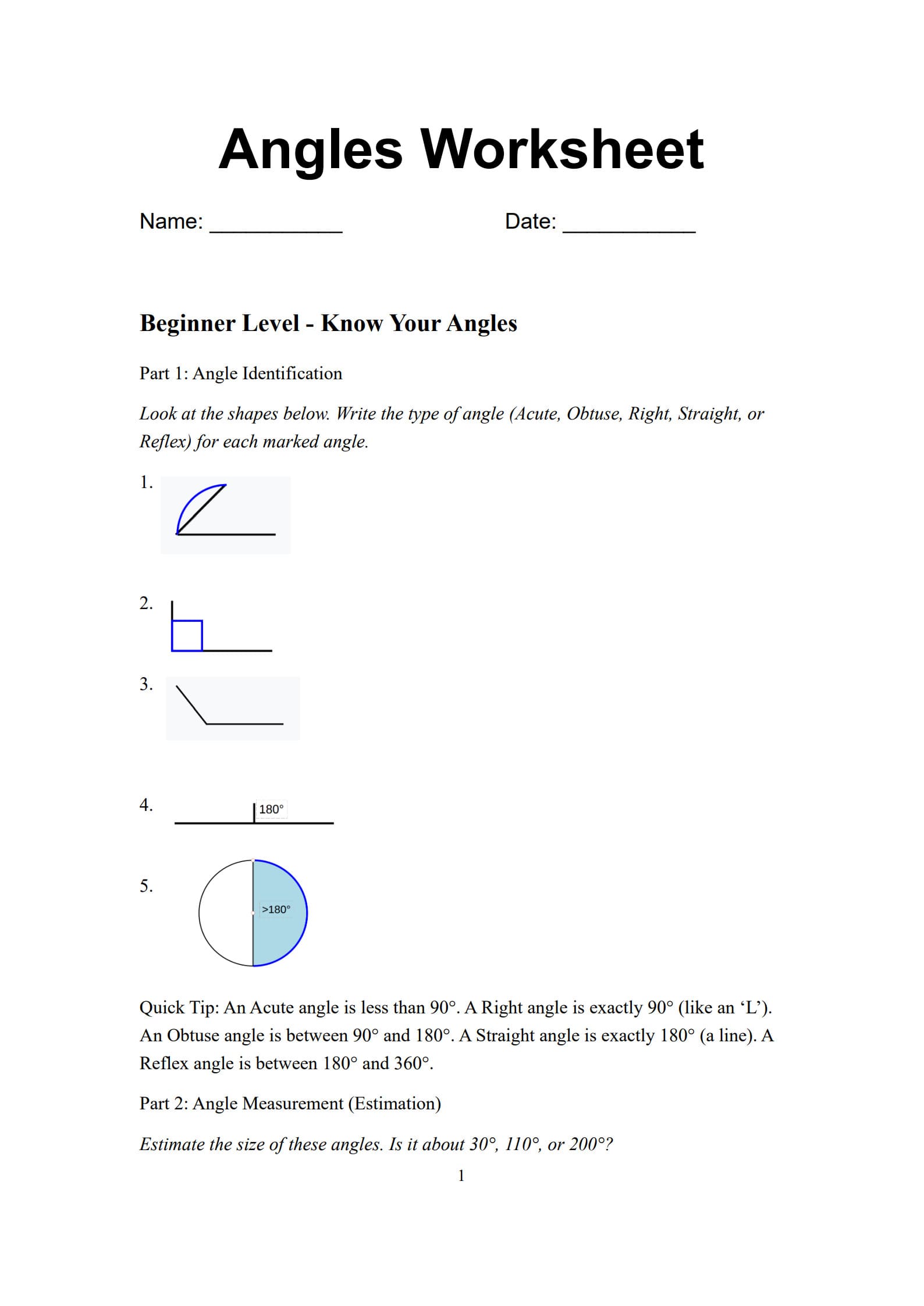
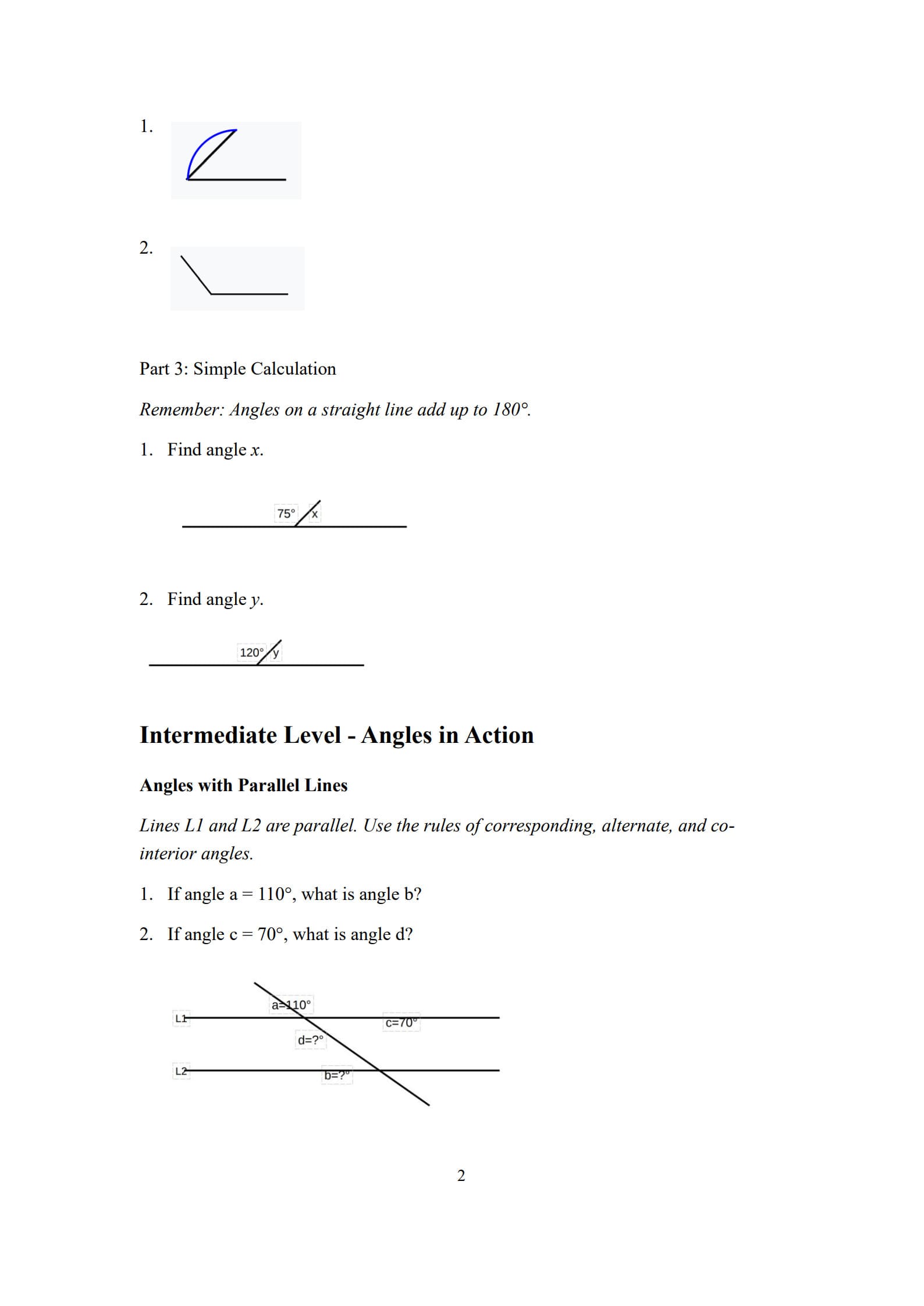
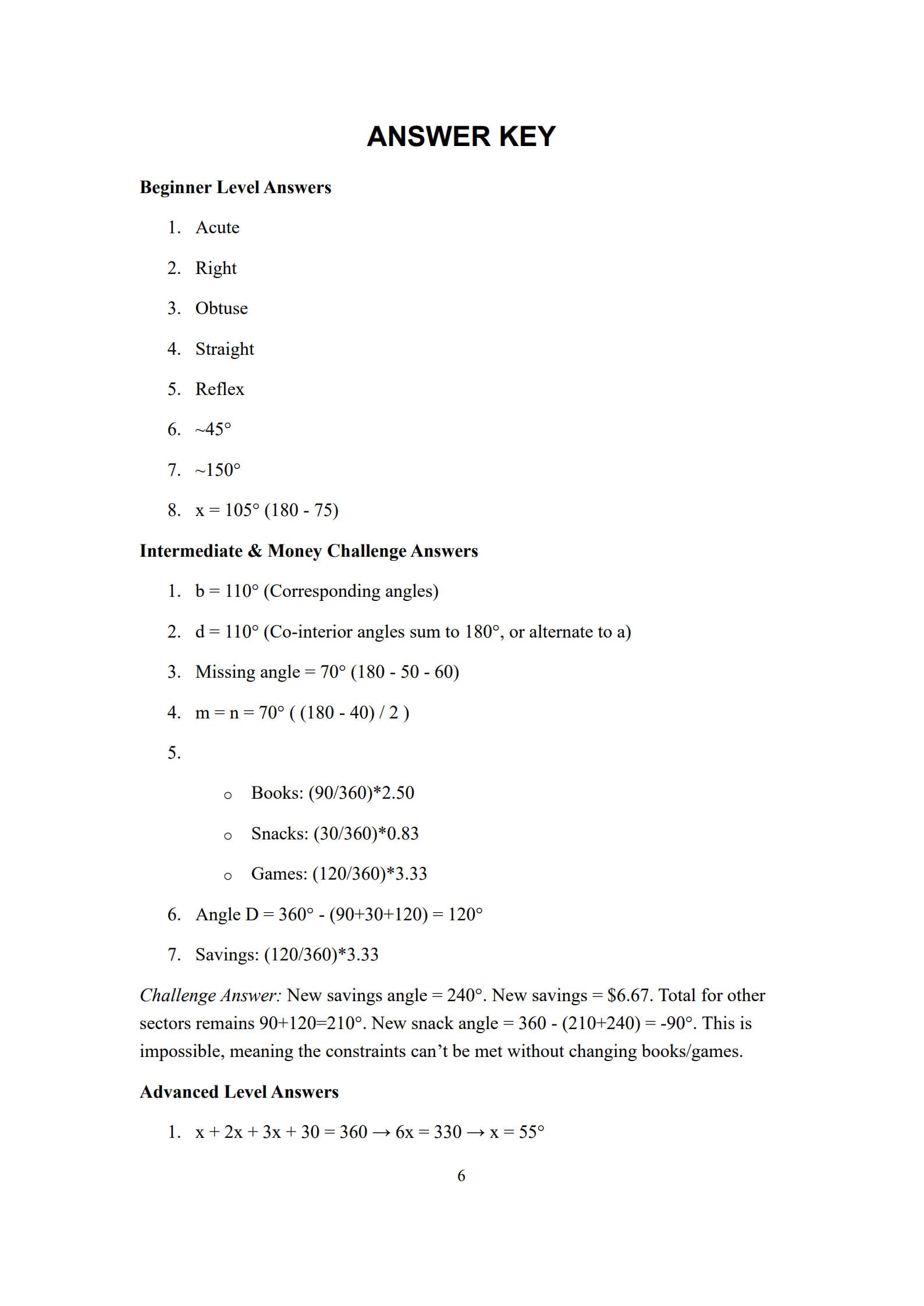
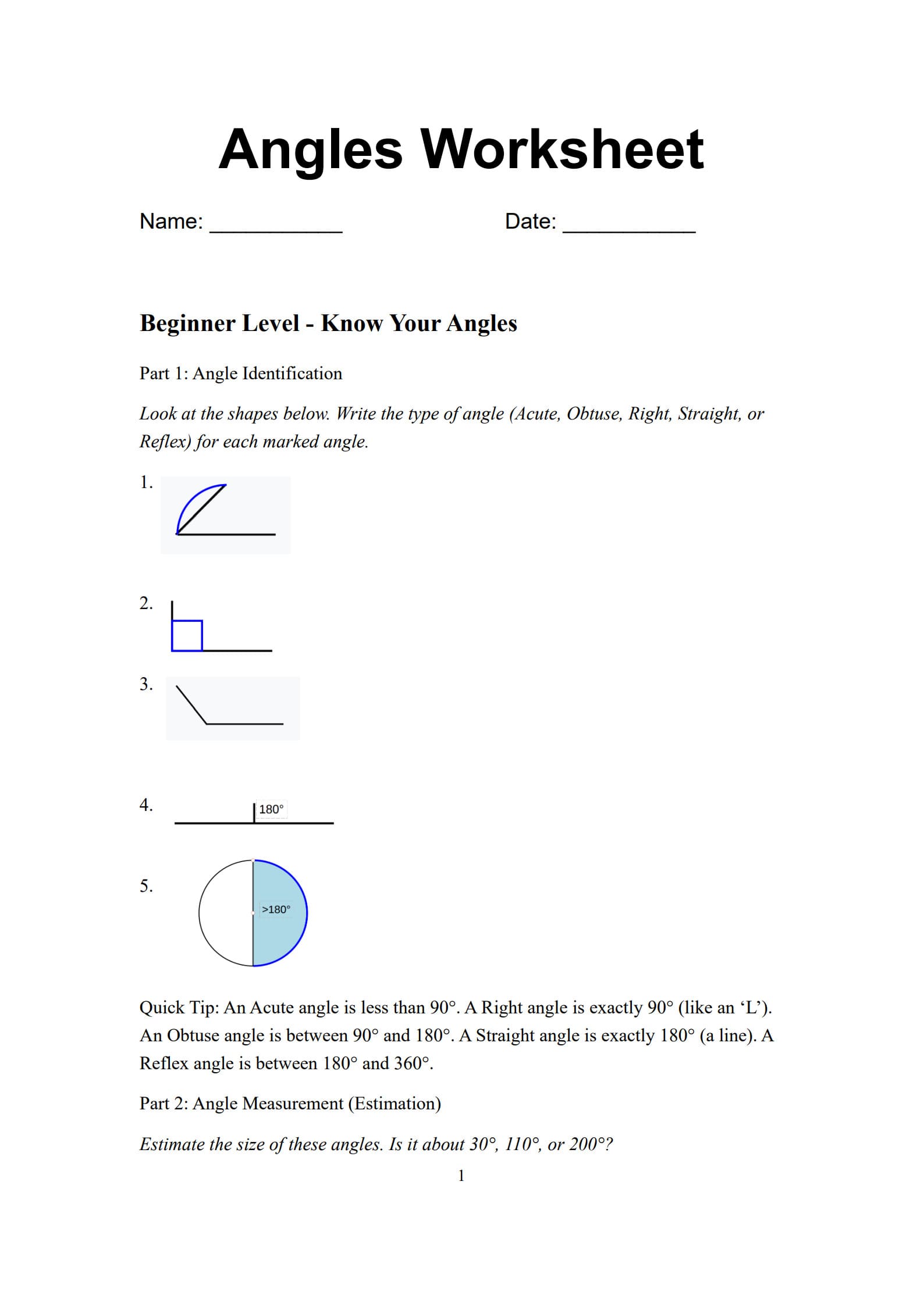
How does a student build a solid geometric foundation? It starts with the essential skill of accurate observation and categorization. Our Angles Worksheet template strategically begins at the Beginner Level, focusing on core identification and estimation. The first section acts as a premier classifying angles worksheet. Students are presented with various diagrams and tasked with writing the type of each marked angle—Acute, Obtuse, Right, Straight, or Reflex. This visual drill is reinforced by a handy “Quick Tip” box that provides clear, memorable definitions: an Acute angle is less than 90°, a Right angle is exactly 90° (like an ‘L’), and so on. This immediate reference empowers learners to check their understanding without external sources, fostering independence.
Immediately following classification, the template introduces a measuring angles worksheet component through estimation. Learners are asked to look at unmarked angles and judge whether they are “about 30°, 110°, or 200°?” This activity is crucial. It moves beyond rote memorization of definitions and trains the eye to spatially approximate degree measures, a practical skill used in fields from drafting to navigation. The progression from Part 1 to Part 2 is intentional: first, learn the categories; then, develop an intuitive sense of their scale. Finally, Part 3 applies the first major geometric rule: “Angles on a straight line add up to 180°.” A simple diagram with a 75° angle asks students to find the adjacent angle x. This concrete application of a rule reinforces learning through doing, setting the stage for more complex interactions.
How Do Angles Behave in Systems?
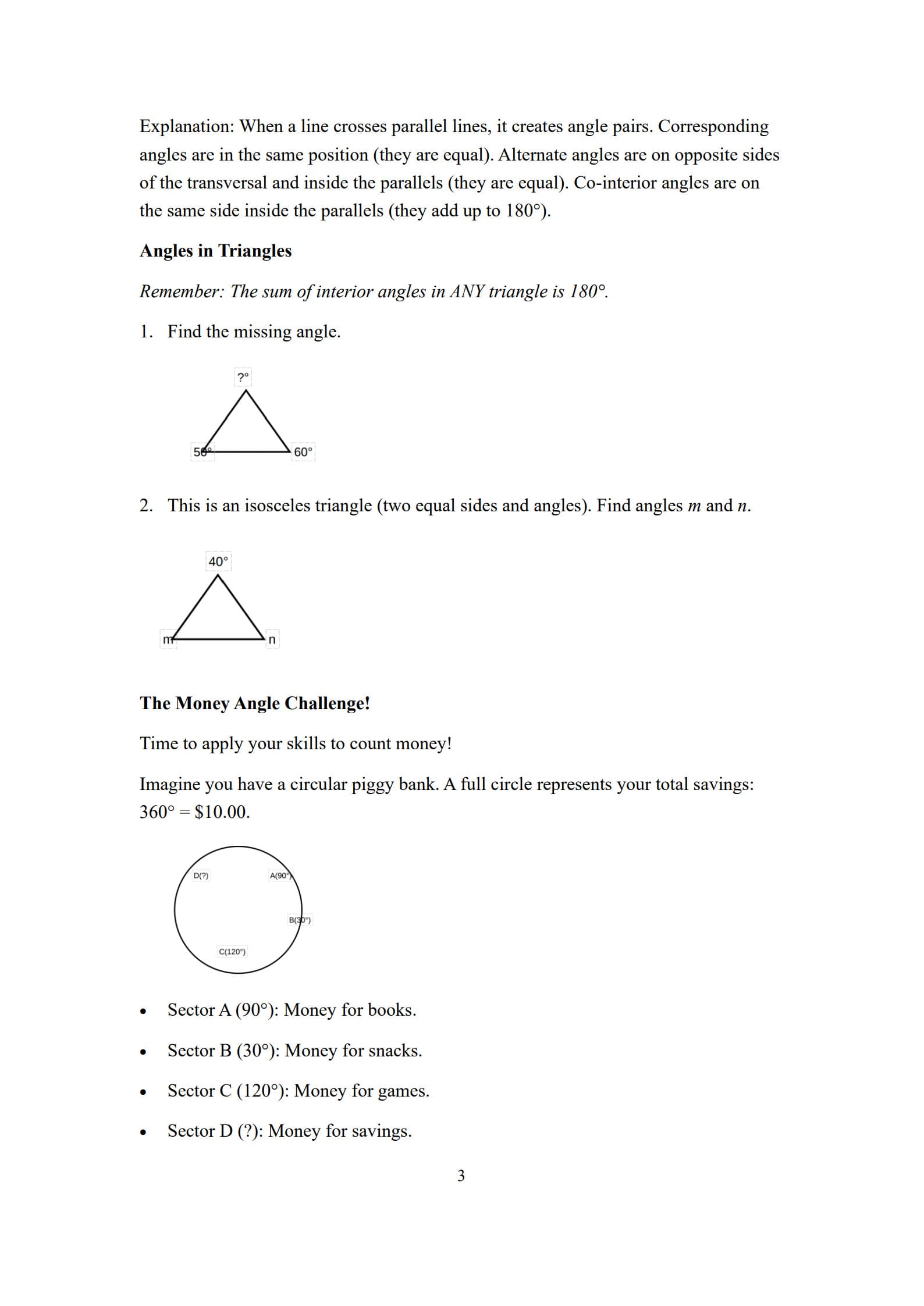
Once fundamental terms and rules are internalized, geometry becomes the study of relationships within systems. The Intermediate Level of our template delves into these dynamic interactions. A significant portion of any comprehensive angles in a triangle worksheet involves understanding the immutable rule that the interior angles of any triangle sum to 180°. Our template applies this rule directly: one problem presents a triangle with angles of 50° and 60°, asking for the missing third angle. Another introduces the property of an isosceles triangle, where two angles are equal. Given a vertex angle of 40°, students must calculate the base angles m and n, applying the 180° rule algebraically as (180-40)/2.
Concurrently, the template explores the elegant patterns created by a transversal crossing parallel lines. It clearly states the rules for corresponding, alternate, and co-interior angles. Then, it poses practical angles questions: “If angle a = 110°, what is angle b?” and “If angle c = 70°, what is angle d?” Students must identify the correct angle relationship (corresponding angles are equal, co-interior angles sum to 180°) to solve for the unknowns. This section bridges simple calculation with logical deduction, teaching learners to analyze diagrams, identify relationships, and apply the appropriate theorem—a core problem-solving methodology in all advanced mathematics.
Making Math Tangible: The Money Angle Challenge Diagram
How can abstract angle concepts be made immediately relevant and engaging? Our template includes a unique and innovative application: The Money Angle Challenge. This section brilliantly connects the geometric concept of a circle (360°) to a real-world context—managing savings. A diagram is central to this concept.
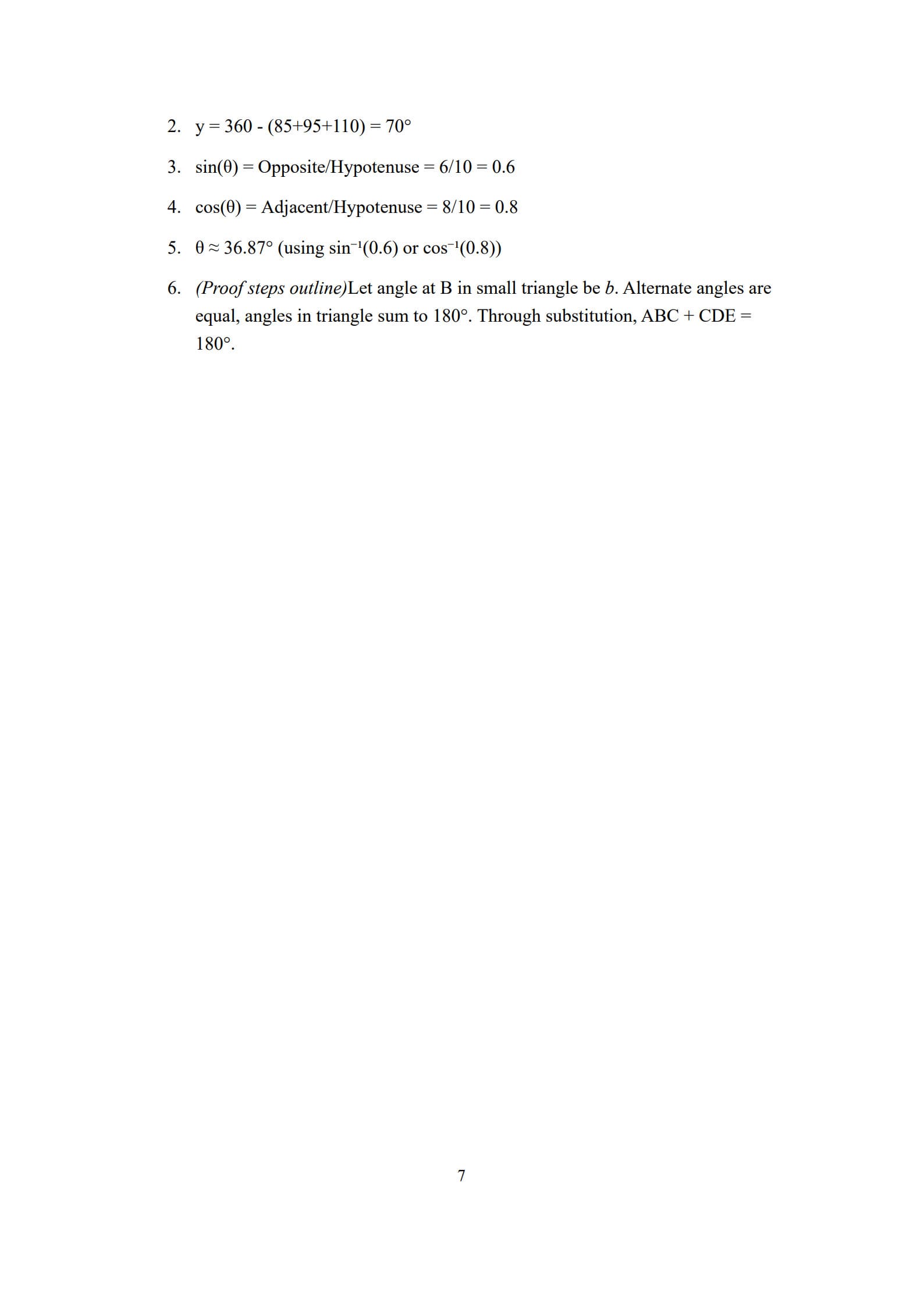
Imagine a circular piggy bank divided into sectors, where the entire circle represents a total of 10 = $2.50). Next, they find the missing Angle D by subtracting the known angles from 360°. Finally, they calculate the savings amount in Sector D. The included “Challenge Question” pushes critical thinking further: “If you double the angle for your savings sector... what would be the new angle for snacks?” This leads to discovering constraints, as the proposed scenario results in an impossible negative angle, teaching valuable lessons about resource allocation and system limits.
Building Toward Advanced Concepts: From Equations to Trigonometry
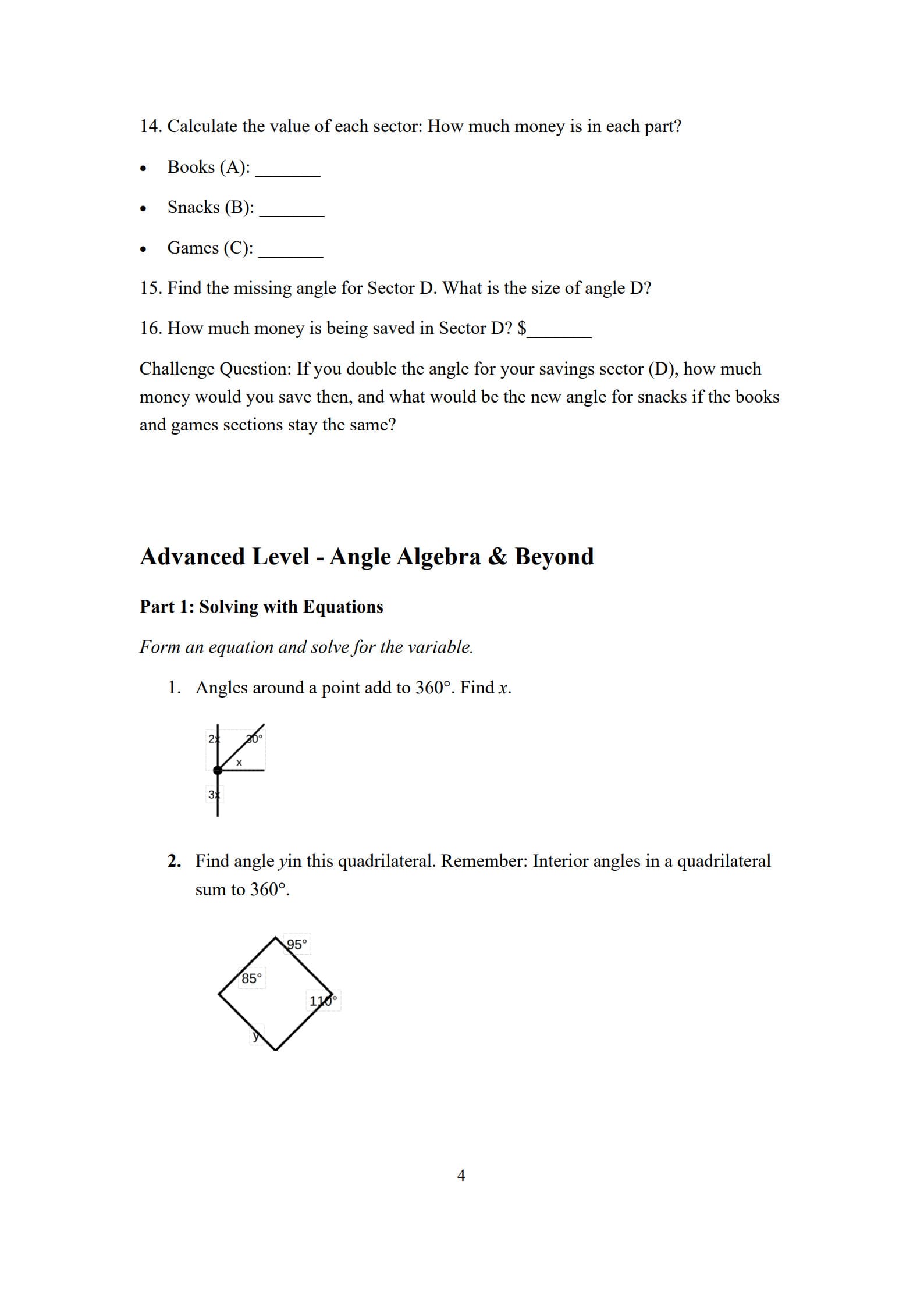
For learners ready to advance, the template provides a natural progression into more abstract and powerful mathematical tools. The Advanced Level begins with “Angle Algebra,” forming and solving equations. One problem uses the rule that angles around a point sum to 360°, presenting angles expressed as x, 2x, 3x, and 30° to solve for the variable. Another applies the quadrilateral interior angle sum (360°) to find a missing angle y. This reinforces algebra skills within a geometric context.
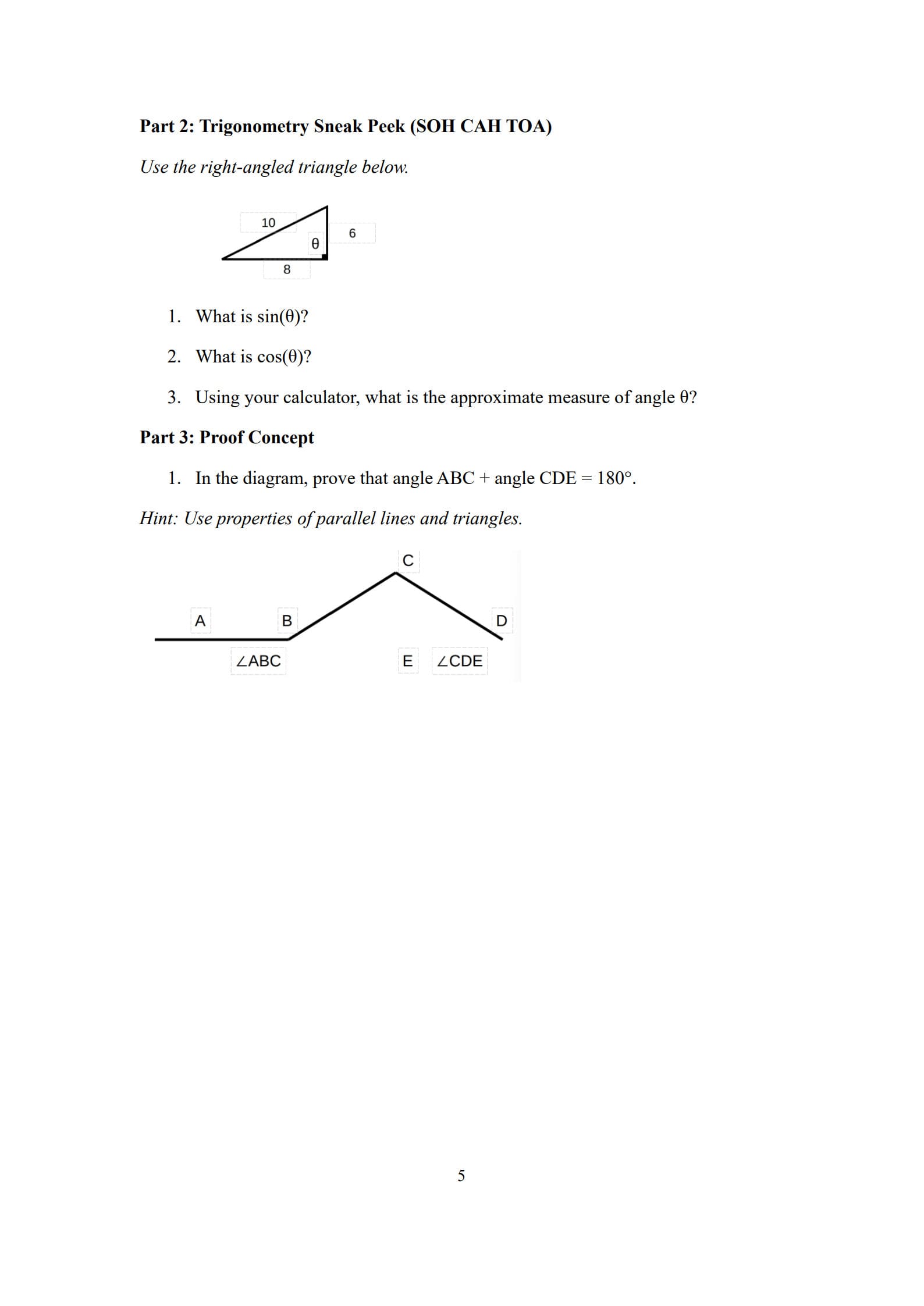
The template then offers a “Trigonometry Sneak Peek” using the famous SOH CAH TOA mnemonic. A clear right-angled triangle is provided with sides labeled, allowing students to directly calculate sin(θ) as Opposite/Hypotenuse = 6/10 = 0.6 and cos(θ) as Adjacent/Hypotenuse = 8/10 = 0.8. It then guides them to use a calculator to find the approximate measure of angle θ using inverse functions. Finally, it introduces the concept of geometric proof, asking students to logically argue why angle ABC + angle CDE = 180° using properties of parallel lines and triangles. This section perfectly bridges high-school geometry, algebra, and introductory pre-calculus.
How to Use This Template on PDF Agile
Utilizing this rich educational resource is straightforward and efficient with the PDF Agile app. This Angles Worksheet template is designed for maximum flexibility, allowing you to adapt it to any learning environment.
Step 1: Access the Angles Worksheet Template
Open the PDF Agile app and navigate to the Template Library. You can search for “Angles Worksheet” or browse the Education category. Click to preview the full template, which includes all sections from Beginner to Advanced Level, along with the answer key. Once confirmed, click “Use Template” to create an instant, editable copy in your personal workspace.
Step 2: Customize for Your Learners
This is where PDF Agile shines. The template is your starting point. Using the app’s editing tools, you can:
- Tailor Difficulty: Focus on specific sections. For a younger class, you might delete the Advanced Trigonometry page. For a review session, you might isolate the “Money Angle Challenge.”
- Add Instructions or Hints: Use the Text Box tool to insert custom guidance, motivational notes, or additional hints for specific problems directly onto the worksheet.
- Brand or Personalize: Add your school’s logo, a classroom header, or the student’s name at the top of the worksheet using the edit functions.
Step 3: Complete, Solve, or Annotate
Engage directly with the content. Use the app’s Fill & Sign tools to type answers into the blank fields. Alternatively, use the highlighter or drawing tools to mark angle relationships on the diagrams—for instance, color-coding alternate angles in the parallel lines section. This interactive approach is excellent for digital whiteboard sessions or for students submitting homework electronically.
Step 4: Distribute and Share the Final Worksheet
Once customized, save your version. You can export it as a standard PDF to print for handouts, or even save it as a template within your own PDF Agile library for repeated use with different cohorts. The included Answer Key at the end allows for easy grading or self-assessment.
Conclusion
Geometry is the language of shape, space, and logical relationship—a language fundamental to academic success and everyday reasoning. Our Angles Worksheet template is crafted to teach this language progressively, ensuring no learner is left behind while challenging others to reach new heights. From the basic vocabulary of acute and obtuse angles to the applied logic of the Money Challenge and the advanced techniques of algebra and trigonometry, it provides a complete, coherent learning pathway.