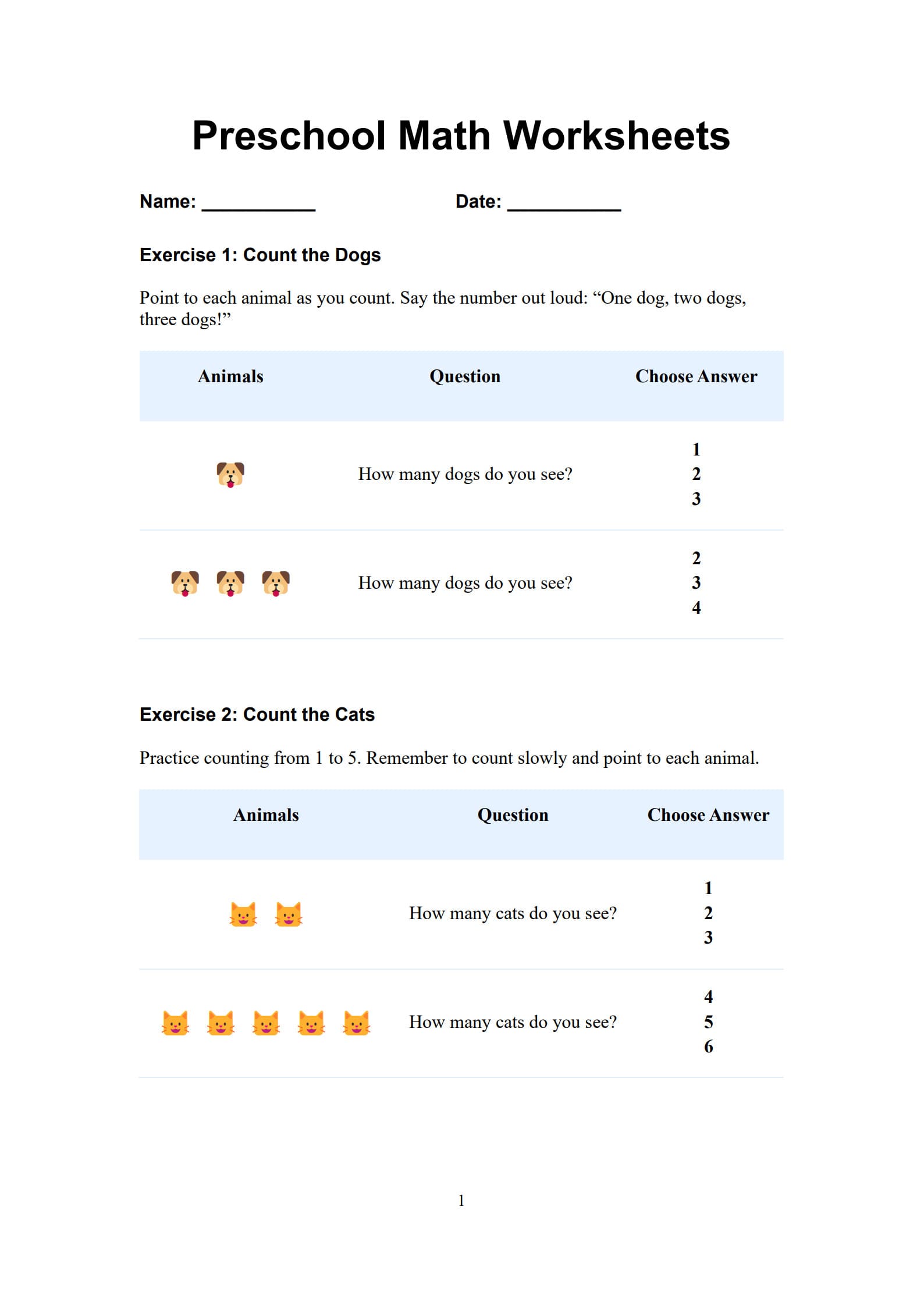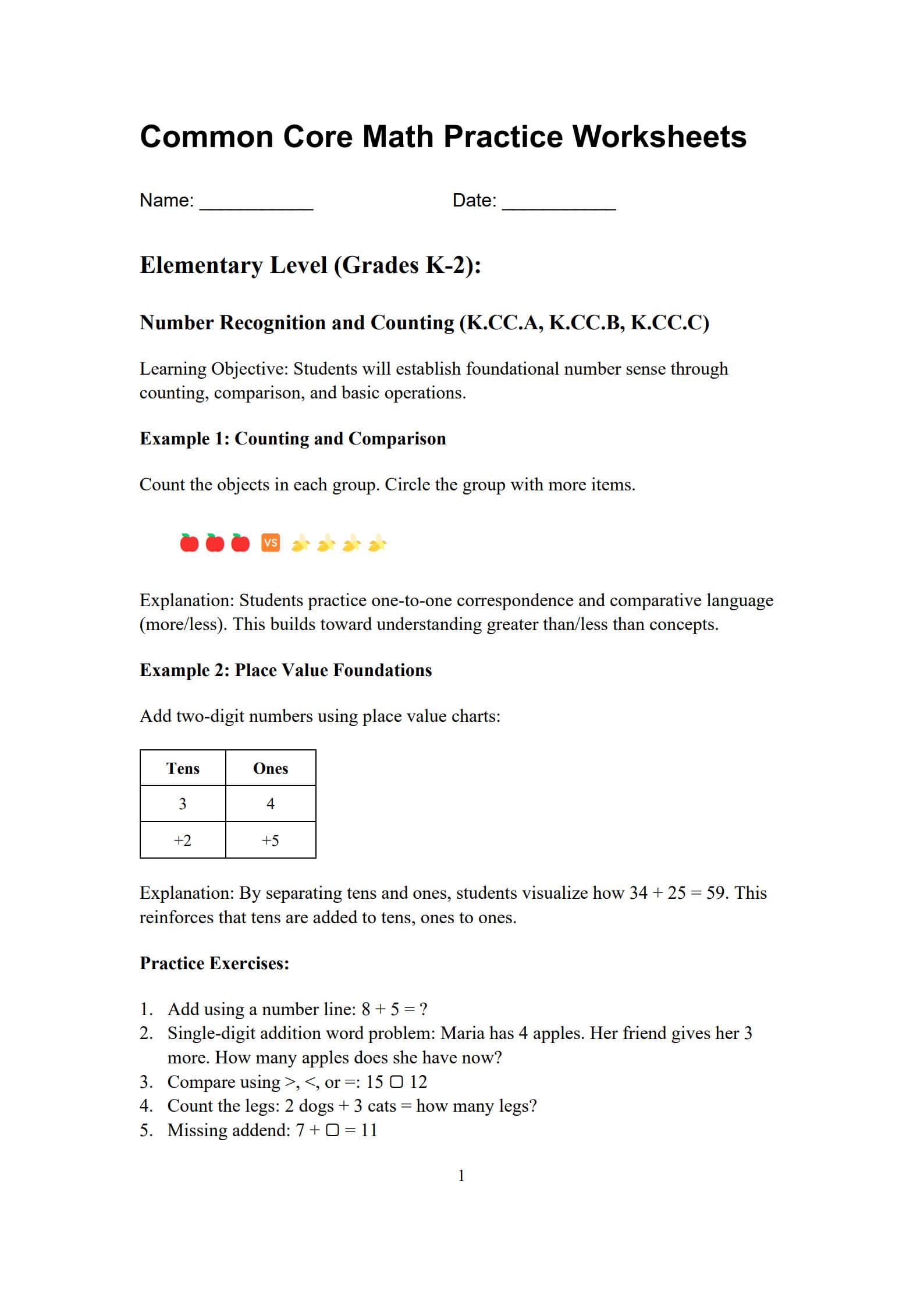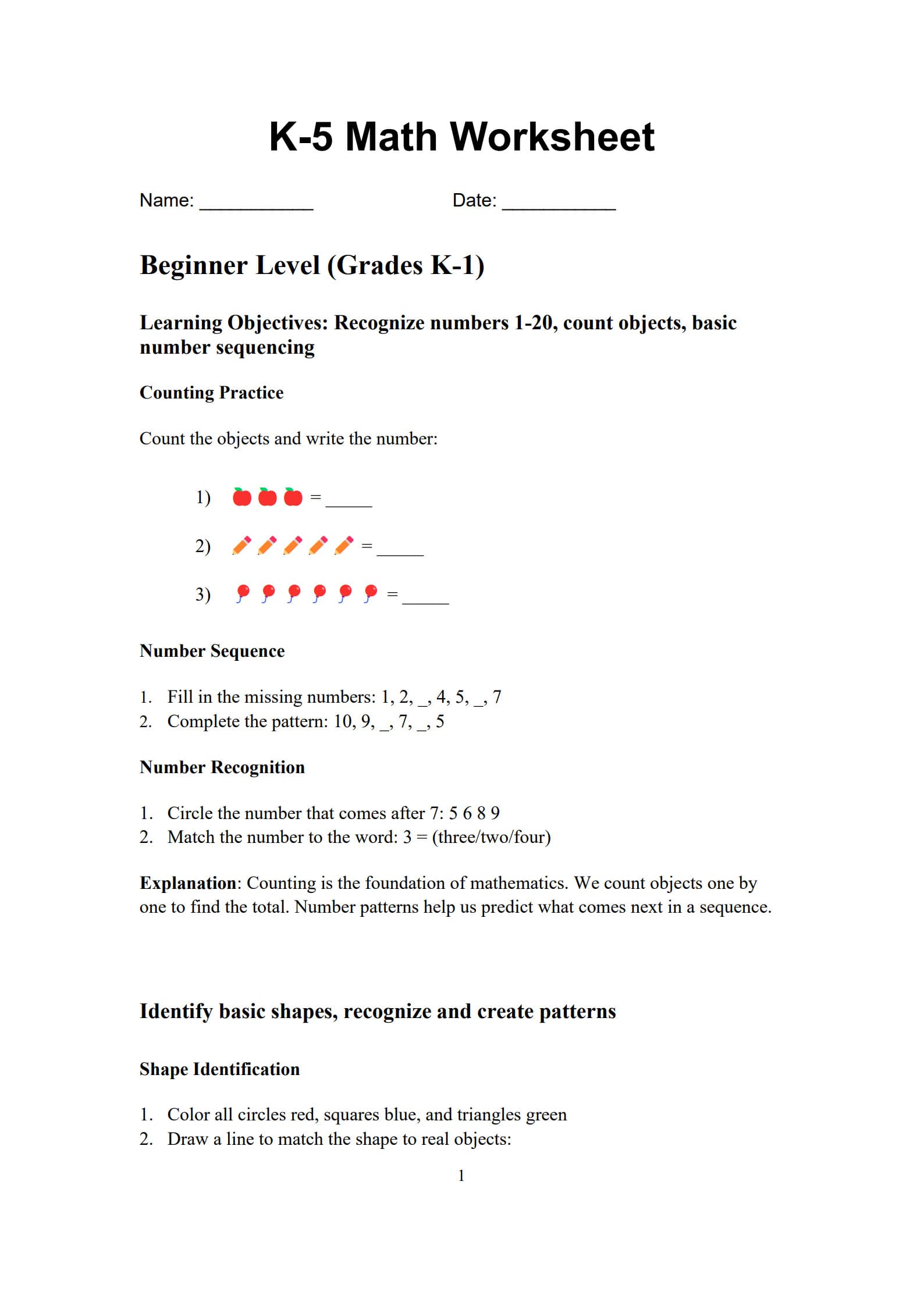


Welcome to a transformative learning resource at your fingertips. This instructional guide introduces a meticulously crafted, ready-to-use template inspired by the renowned Kumon method, available exclusively in the PDF Agile app. This is not just another set of problems; it is a complete, structured journey through fundamental mathematics, designed to build unshakeable confidence. While its scope comprehensively covers arithmetic, fractions, algebra, and percentages, a core strength lies in how it guides students to explore shapes, angles, lines, and geometric properties in depth. Featuring clear diagrams, progressive challenges, and engaging real-world applications, these worksheets systematically develop spatial reasoning, precise problem-solving, and accurate measurement skills. Ideal for both classroom enrichment and dedicated home learning, this template supports learners at all levels in mastering key concepts. Let’s explore how this powerful Kumon-style resource, integrated seamlessly into PDF Agile, can elevate the educational experience for every English learner.
What Foundational Skills Do Kumon Worksheets Build Before Geometry?
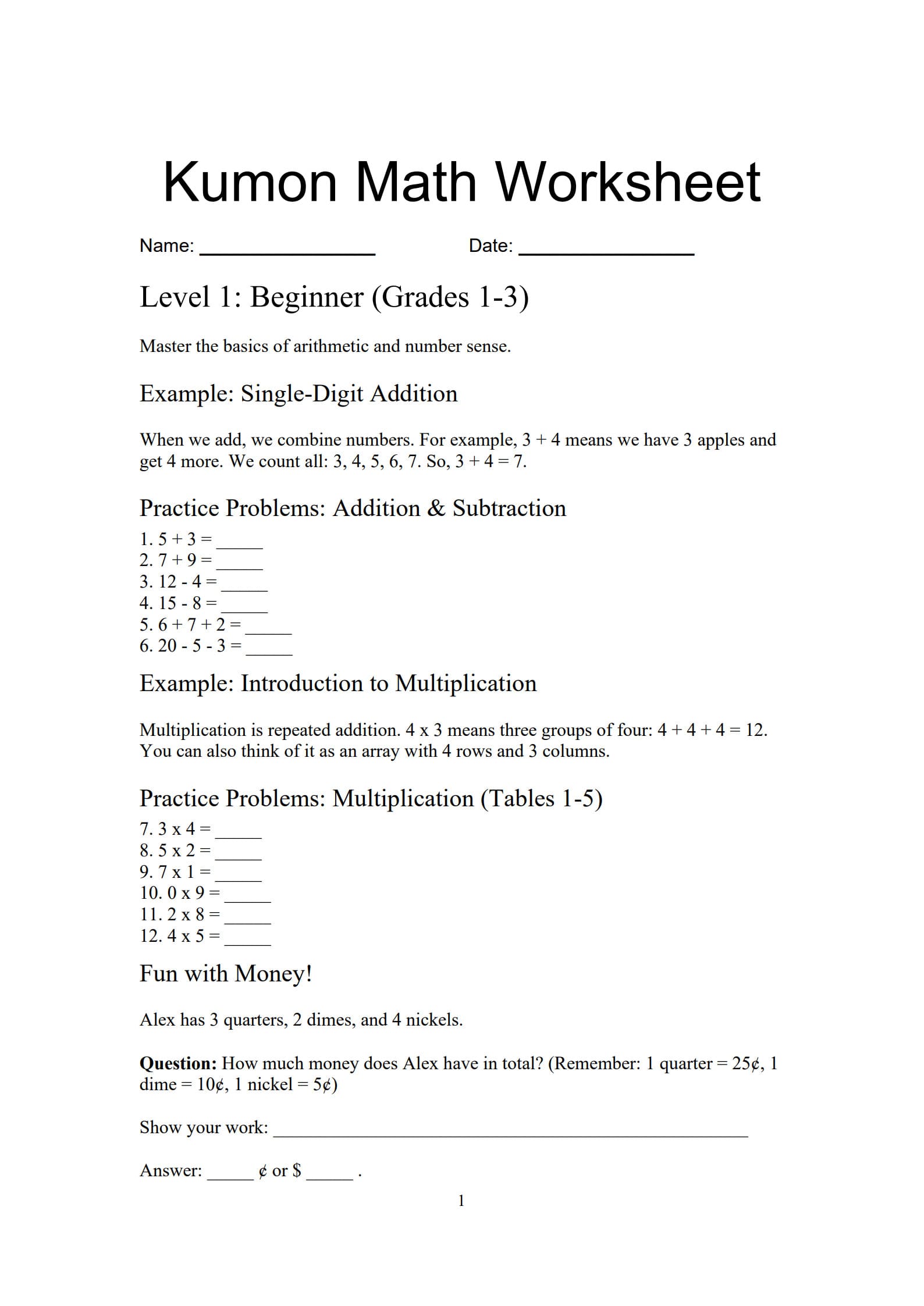
The path to geometric understanding is paved with numerical fluency. Our Kumon math sheets are engineered to construct this essential foundation layer by layer. The beginner level (Grades 1-3) firmly establishes the basics of arithmetic and number sense, which are the universal language of mathematics. Students start with single-digit addition, visualizing the combination of quantities, such as understanding that 3 + 4 equals 7 by counting forward. This concrete understanding seamlessly transitions into subtraction, multiplication as repeated addition, and practical applications like calculating money. For instance, the worksheet presents a fun money problem: “Alex has 3 quarters, 2 dimes, and 4 nickels. How much money does Alex have in total?” Solving this requires applying addition and multiplication to different coin values, a practical skill that reinforces arithmetic. Without this solid groundwork in operations and number relationships, tackling the areas and perimeters in later geometry sections would be significantly more challenging. These initial kumon english worksheets in fundamental math ensure that every learner has the necessary tools to approach spatial and measurement problems with confidence.
How Do These Sheets Develop Spatial Reasoning and Measurement Skills?
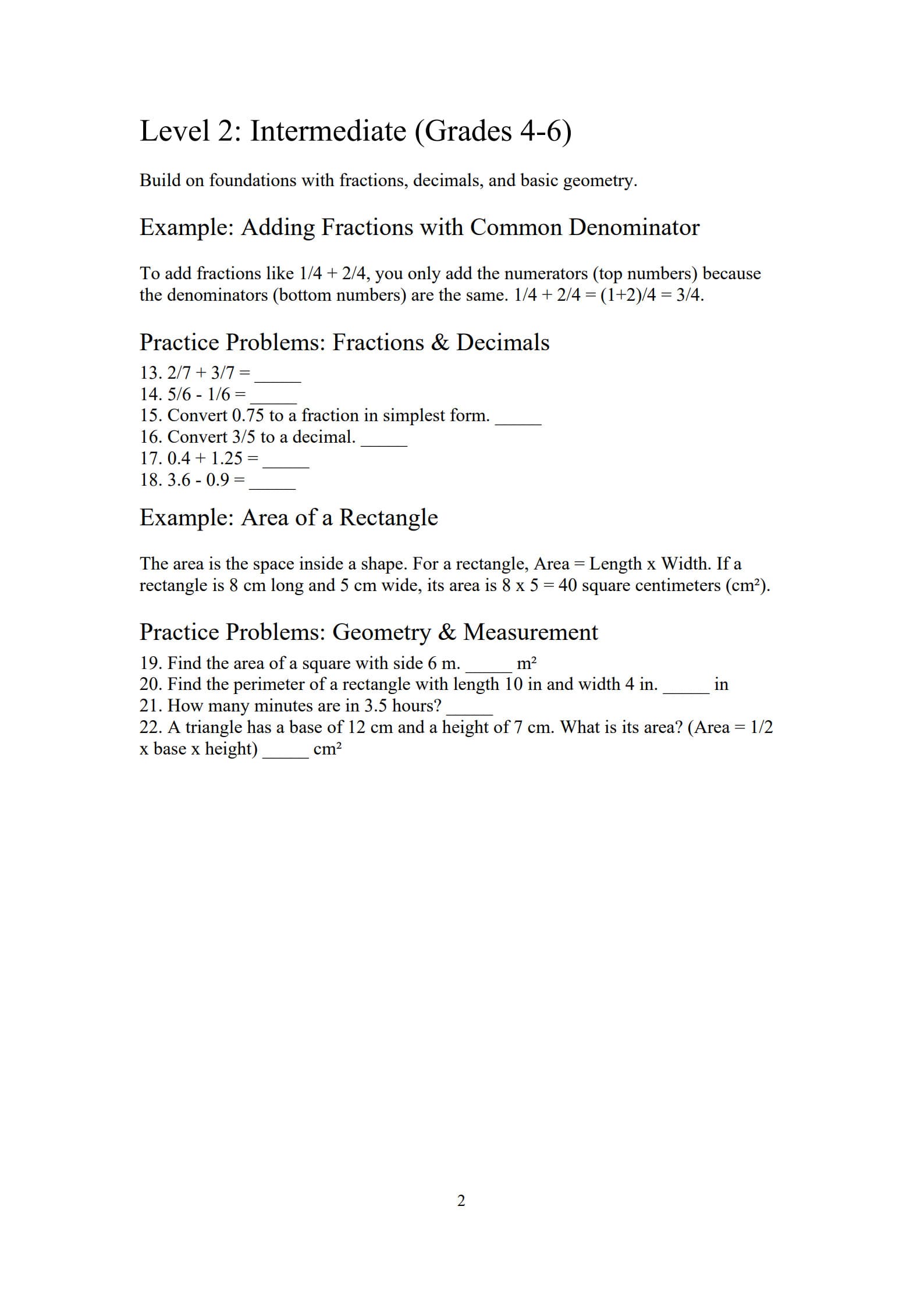
As learners progress to the intermediate level (Grades 4-6), the worksheets strategically introduce the core concepts of geometry and measurement, directly addressing the exploration of shapes and their properties. Spatial reasoning begins with understanding dimensions and space. A key example from the template is calculating the area of a rectangle, defined as Area = Length x Width. The worksheet provides a clear example: a rectangle 8 cm long and 5 cm wide has an area of 40 cm². This is not just a formula to memorize; it is a concept applied through practice problems. Students are then asked to find the area of a square with a side of 6 meters and the area of a triangle using the formula 1/2 x base x heightwith given dimensions. Furthermore, the worksheets develop measurement skills beyond geometry, such as time conversion (e.g., “How many minutes are in 3.5 hours?”). These interconnected activities—from calculating perimeter to converting units—train the mind to quantify space and time accurately, turning abstract geometric properties into solvable, tangible problems. This methodical practice is the hallmark of effective kumon worksheets.
What Advanced Concepts Are Covered in These Learning Materials?
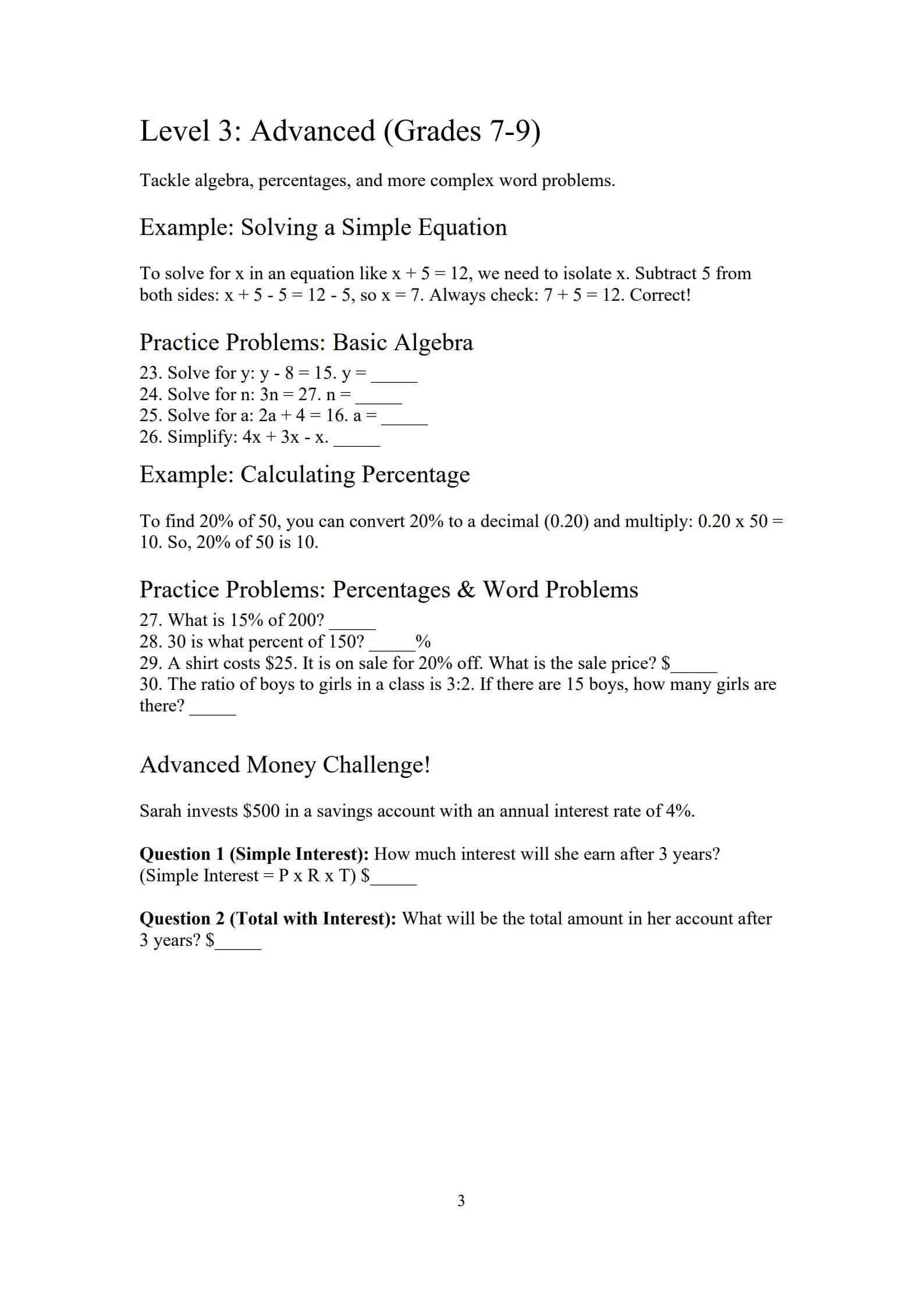
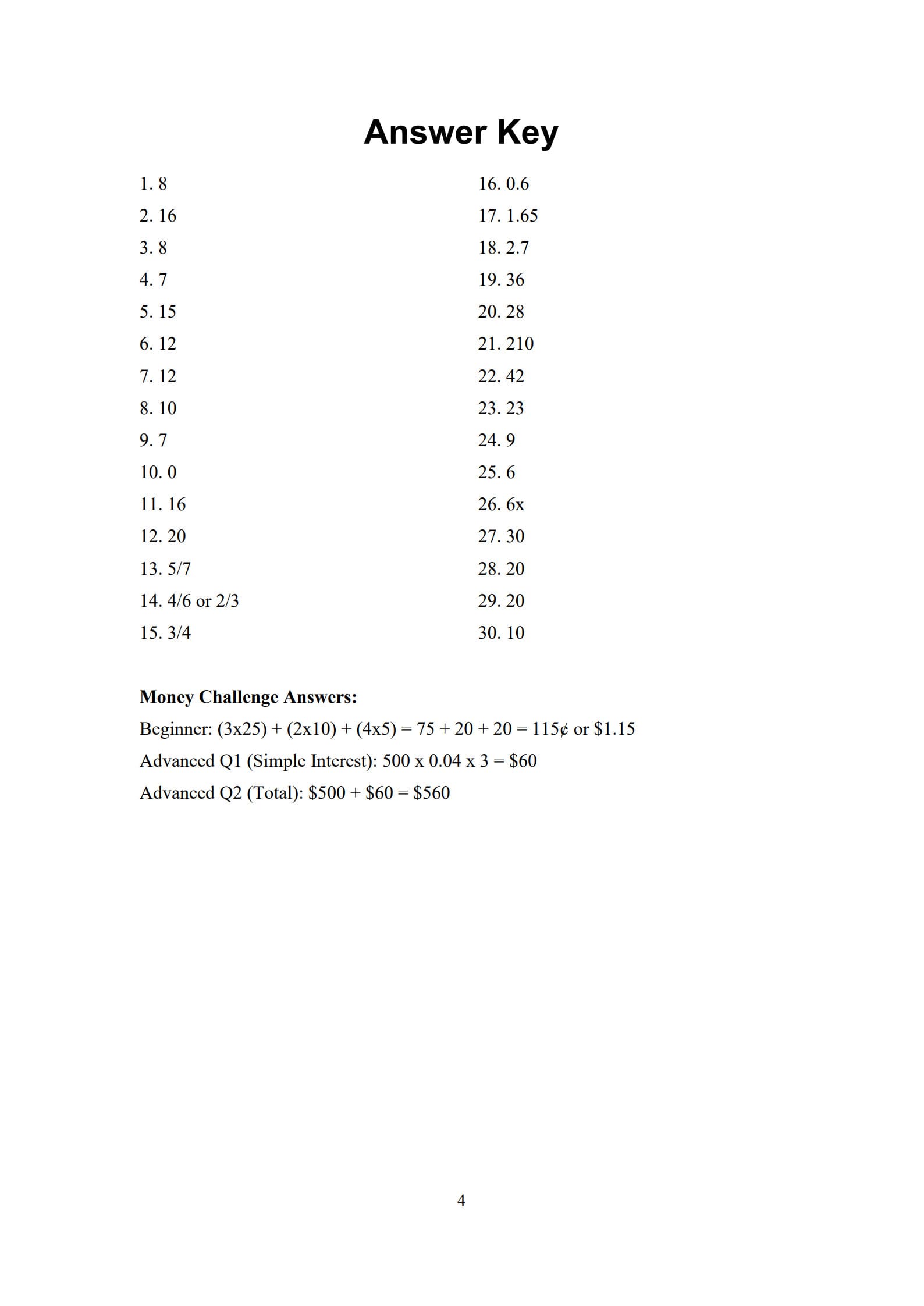
The advanced tier (Grades 7-9) of these sheets ensures a comprehensive mathematical education by integrating geometric understanding with algebraic thinking and applied mathematics. This section tackles algebra, percentages, and complex word problems that often involve geometric or financial principles. For example, students learn to solve equations like x + 5 = 12or 2a + 4 = 16, skills essential for rearranging formulas used in geometry and physics. The percentage module is crucial for real-world applications, teaching learners how to calculate discounts, interest, and ratios. A practical problem asks: “A shirt costs 500 at a 4% annual interest rate. Students must calculate simple interest (P x R x T) and the total amount after three years. This multi-step problem mirrors real-life financial decisions. The structured progression across all levels is clearly validated in the provided answer key, a sample of which is shown below, allowing for immediate self-assessment and progress tracking.
| Problem Number | Answer | Problem Number | Answer |
|---|---|---|---|
| 1. 5+3 | 8 | 16. Convert 3/5 to a decimal | 0.6 |
| 7. 3x4 | 12 | 19. Area of square (side 6m) | 36 m² |
| 13. 2/7 + 3/7 | 5/7 | 22. Area of triangle | 42 cm² |
| 15. Convert 0.75 to fraction | 3/4 | 27. 15% of 200 | 30 |
Who Can Benefit from This Structured Worksheet Template?
This versatile template is designed to benefit a wide spectrum of users, thanks to its graded structure and clear focus on core competencies. Primary Students can use the beginner sheets to master basic arithmetic through repeated, confidence-building practice. Middle School Learners will find the intermediate and advanced sections perfect for solidifying their understanding of fractions, decimals, introductory geometry, and pre-algebra concepts. English Language Learners specifically benefit from the clear, concise instructional language and the context provided in word problems, which reinforce both mathematical and English vocabulary in a practical setting. Homeschooling Parents and Tutors gain a ready-made, progressive curriculum that removes lesson planning stress, offering a logical sequence from simple addition to calculating interest. Finally, Teachers can integrate these kumon sheets into their classroom as supplemental practice, homework assignments, or station activities, assured that the content is standards-aligned and builds essential skills without unnecessary complexity.
How to Use This Template on PDF Agile?
Utilizing this comprehensive Kumon Math Worksheet template in PDF Agile is a seamless process designed for immediate productivity. Follow these straightforward steps to customize and deploy this learning tool.
Step 1: Access and Open the Kumon Math Worksheet Template
Launch the PDF Agile app on your device. Navigate to the Template Library, which hosts a variety of professional and educational documents. Locate and select the “Kumon Math Worksheet” template. You can preview its structure—spanning beginner, intermediate, and advanced levels—before choosing “Use Template.” This action creates a fresh, editable copy in your workspace.
Step 2: Customize for Your Learner
The template is fully editable. Click on any text field to personalize it. You can add a student’s Name and Date at the top. For tailored practice, you can modify specific numbers in the problems while keeping the structure intact (e.g., change the side of the square in Problem 19 from 6m to 8m). The clean formatting and clear sections are preserved, saving you hours of design work.
Step 3: Incorporate Answers or Notes
PDF Agile’s robust editing tools allow you to add more than just text. You can use the comment or drawing tool to insert hints or helpful diagrams next to complex problems. If you are creating a guide for parents, you can digitally highlight key instructions or even overlay the answer key from the final page onto the relevant problems for easy grading.
Step 4: Save, Share, and Print
Once customization is complete, save your new worksheet. PDF Agile allows you to export it in multiple formats. You can save it as a standard PDF for easy printing and distribution as a physical handout. Alternatively, you can share a digital copy directly via email, enabling remote learning. The final document maintains a professional, organized look that motivates learners.
Conclusion
In summary, this Kumon-inspired worksheet template within PDF Agile represents more than just a collection of math problems; it is a strategic, all-in-one educational framework. It successfully bridges the gap between abstract mathematical concepts and tangible understanding by guiding learners from basic arithmetic through to advanced algebraic and geometric applications. The inclusion of real-world contexts—from calculating money with coins to determining interest on savings—ensures that skills are not only learned but also understood as useful life tools.
The true power of this resource lies in its structured adaptability. Its graded levels allow for personalized learning paths, ensuring that every student, regardless of their starting point, can experience progress and build confidence. The integrated answer key provides immediate feedback, which is crucial for reinforcing correct methods and identifying areas for improvement.