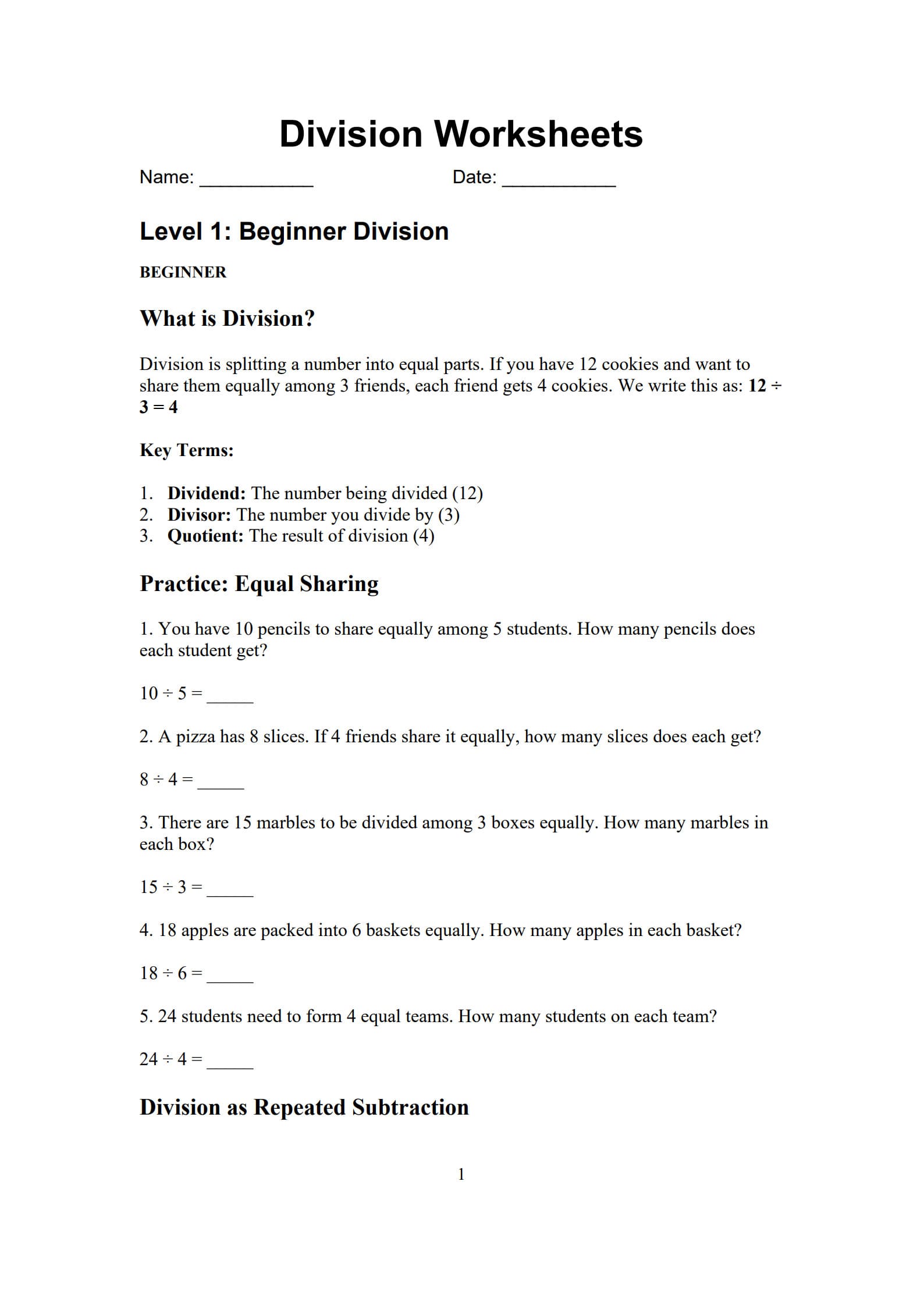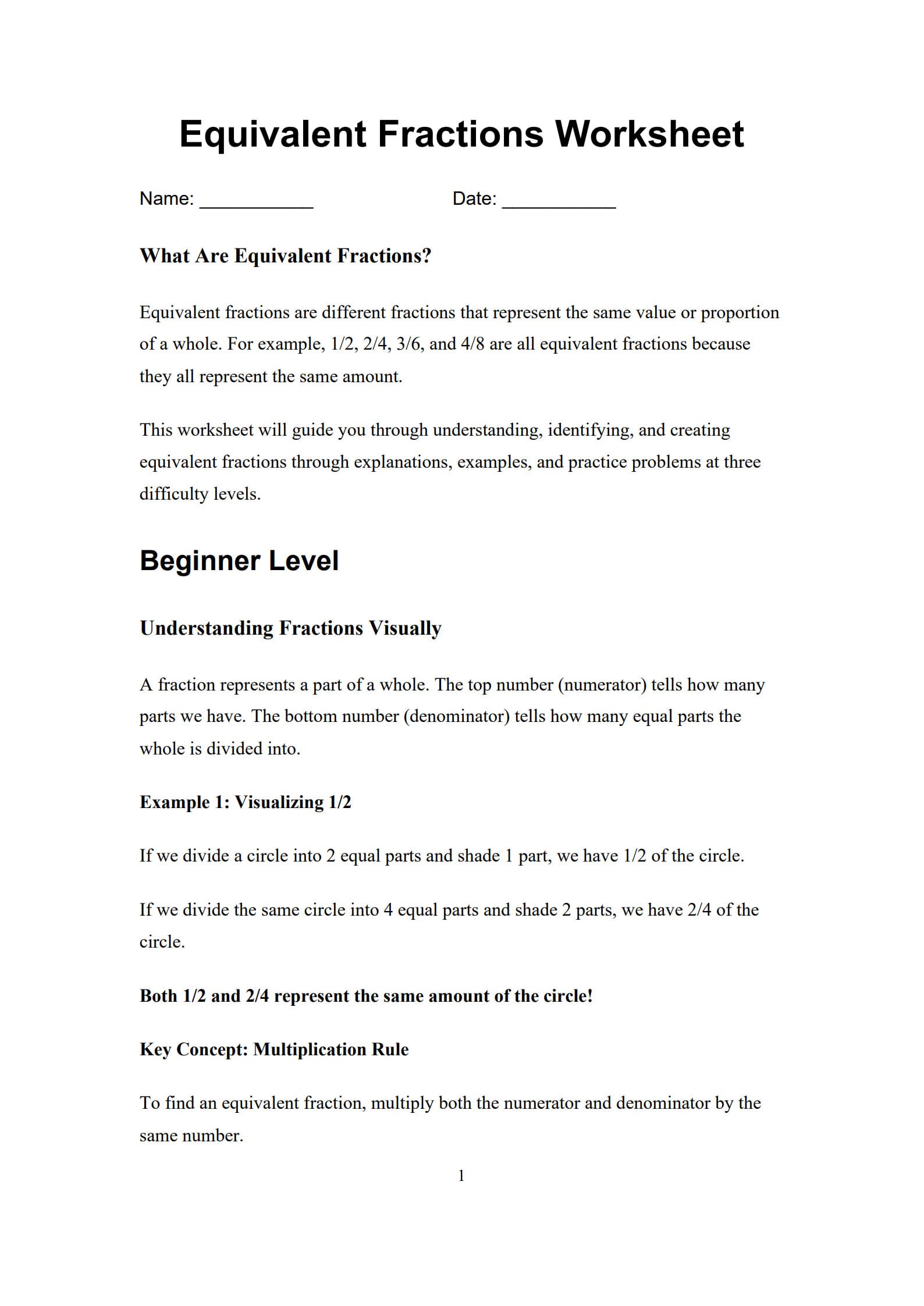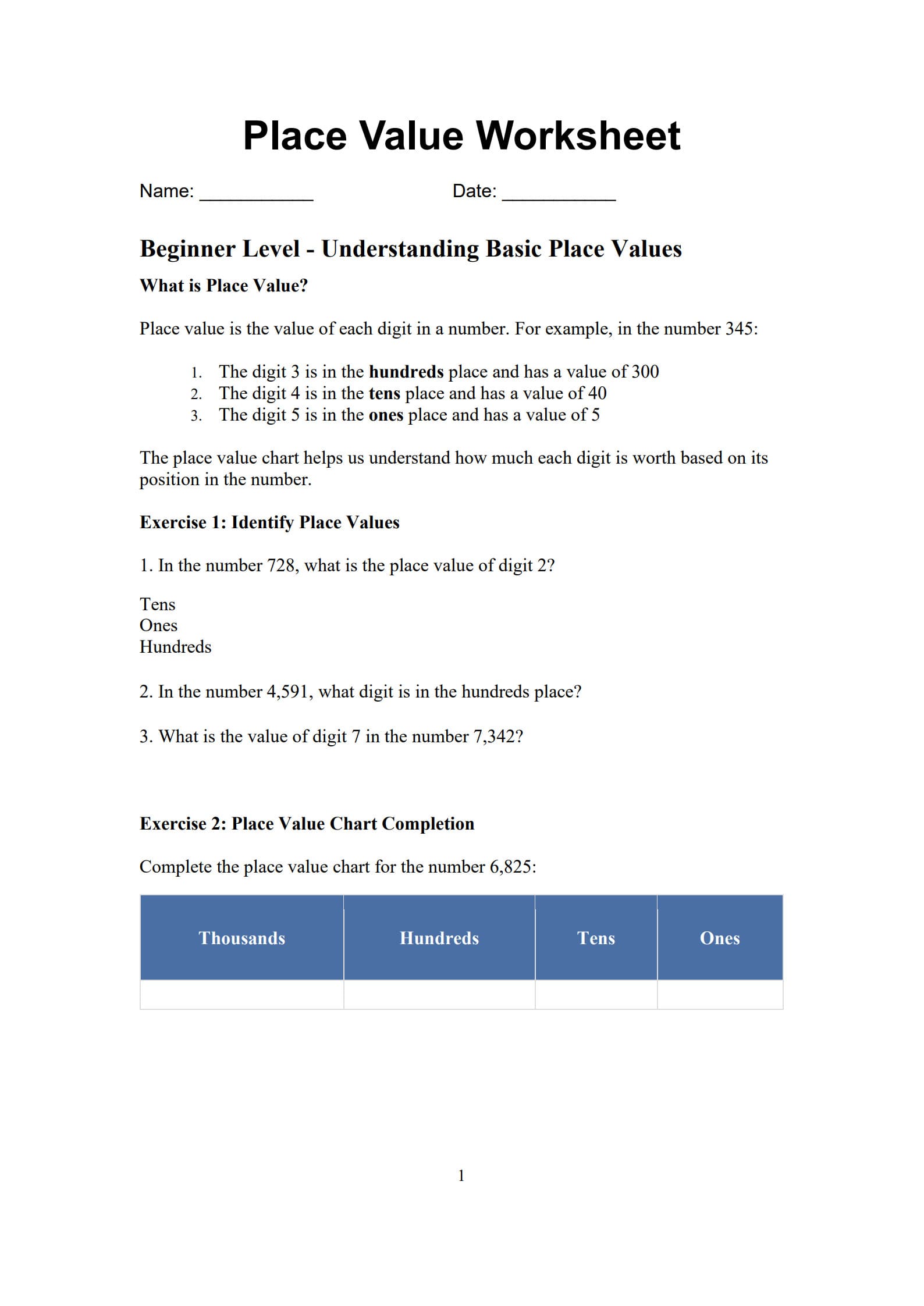


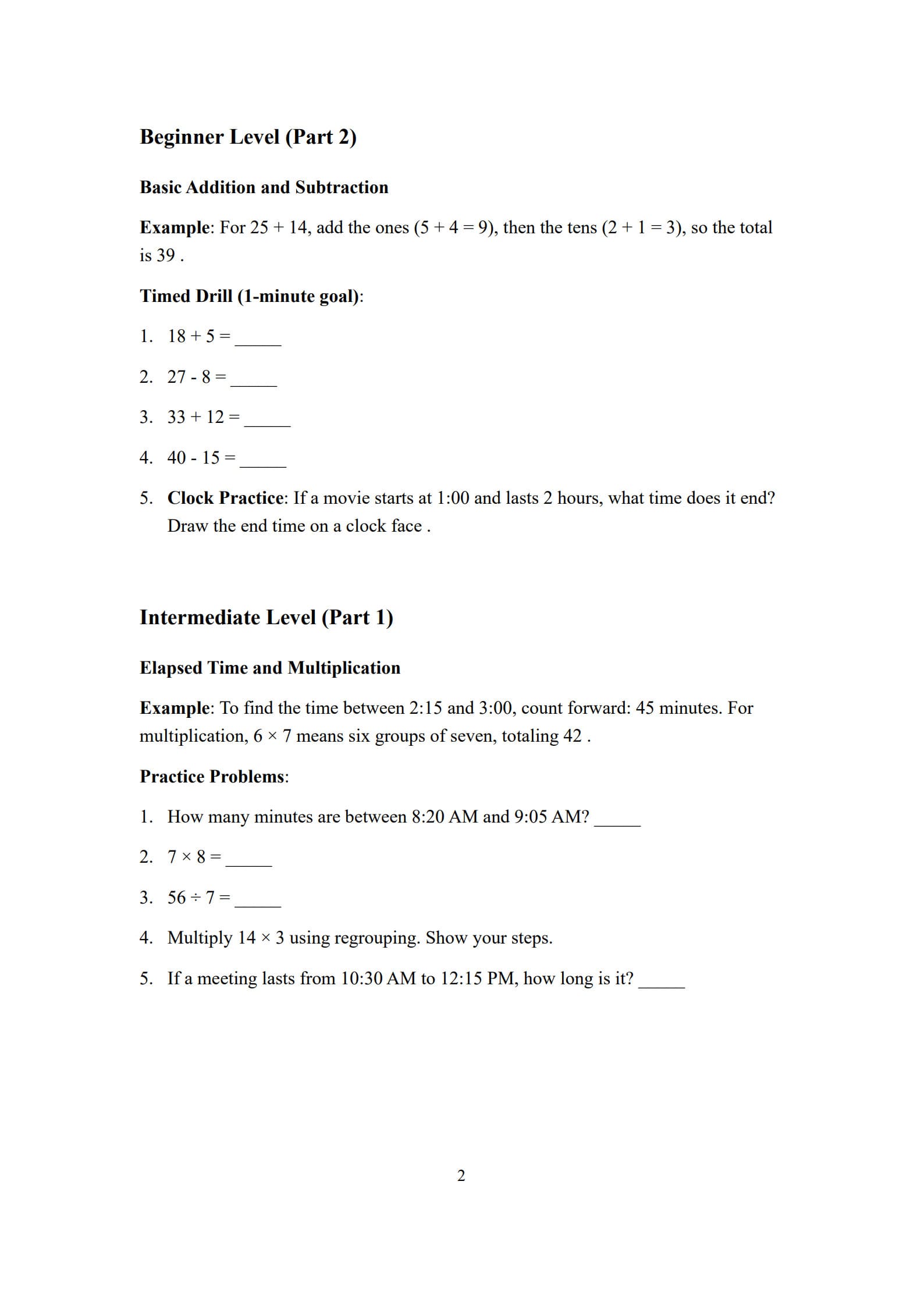
Mathematics is a journey—one that builds confidence through practice, precision, and progression. For math enthusiasts, mastering foundational skills like math drills addition and math drills multiplication can transform anxiety into accomplishment. PDF Agile, your go-to app for customizable PDF solutions, now offers a dynamic Math Drills template designed to strengthen skills through structured, timed exercises. This template, already prepared for immediate use, mirrors real-world scenarios and progressive challenges—from reading analog clocks to solving multi-digit operations.
Why Start with Analog Clocks and Basic Math Drills Addition?
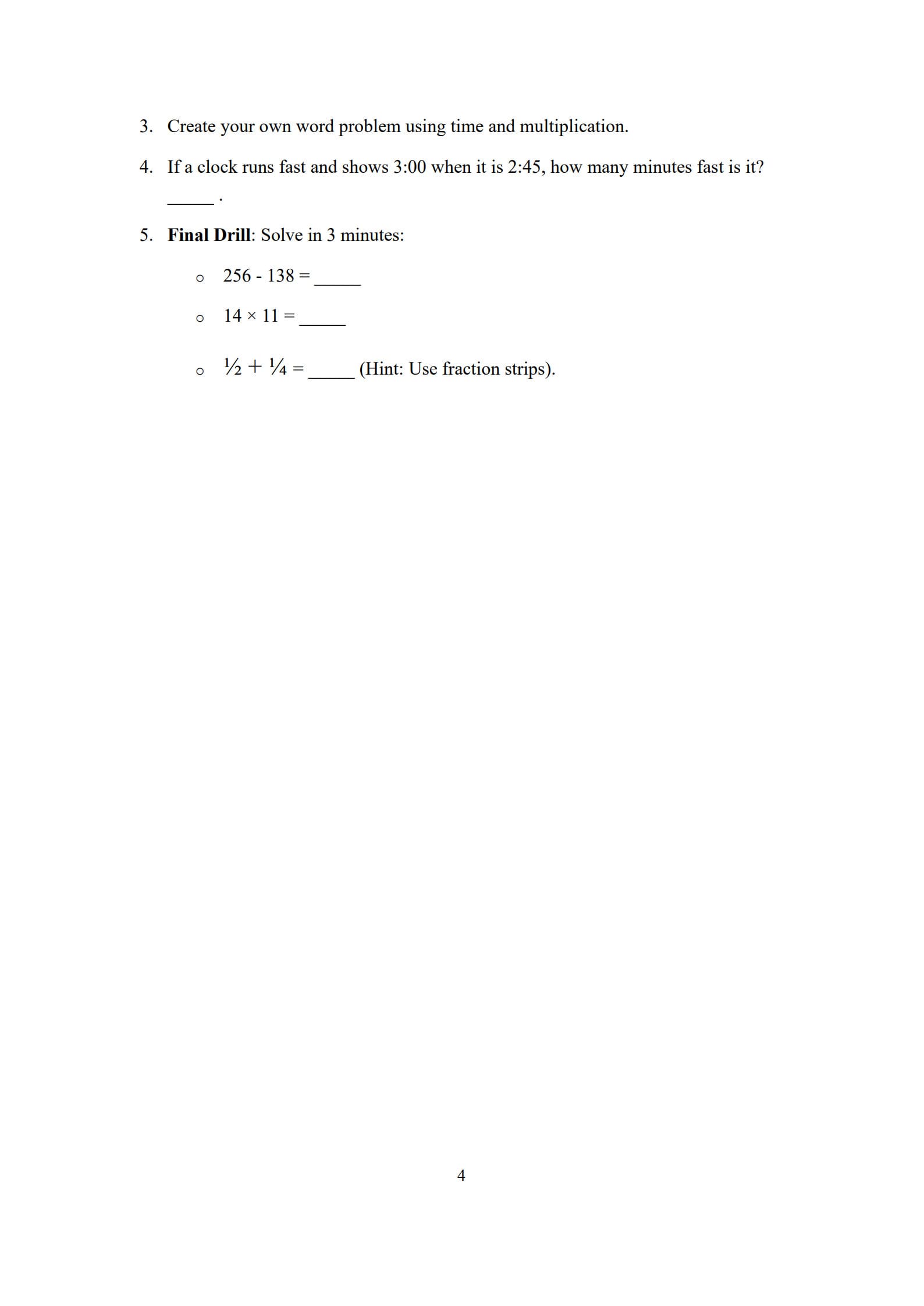
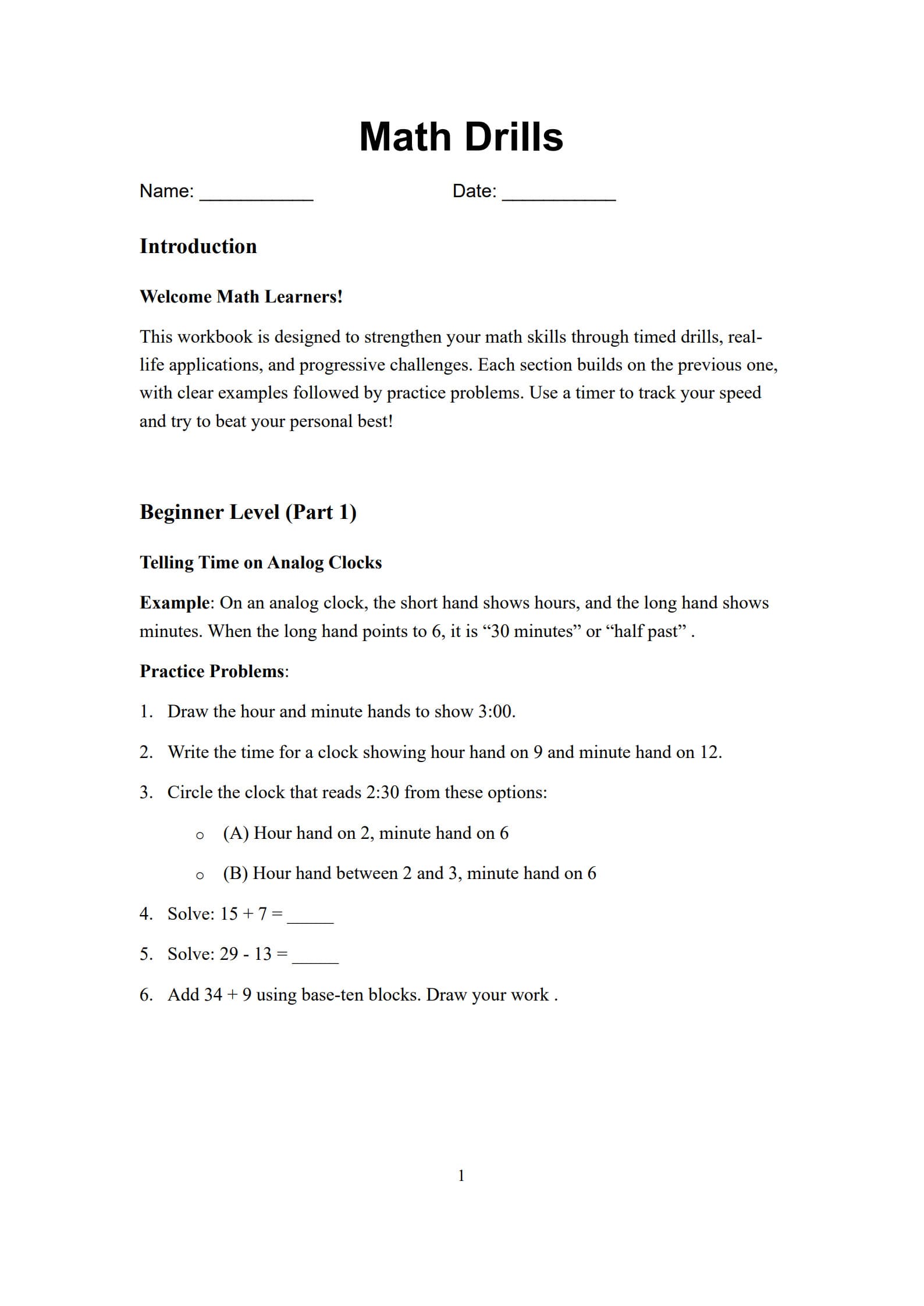
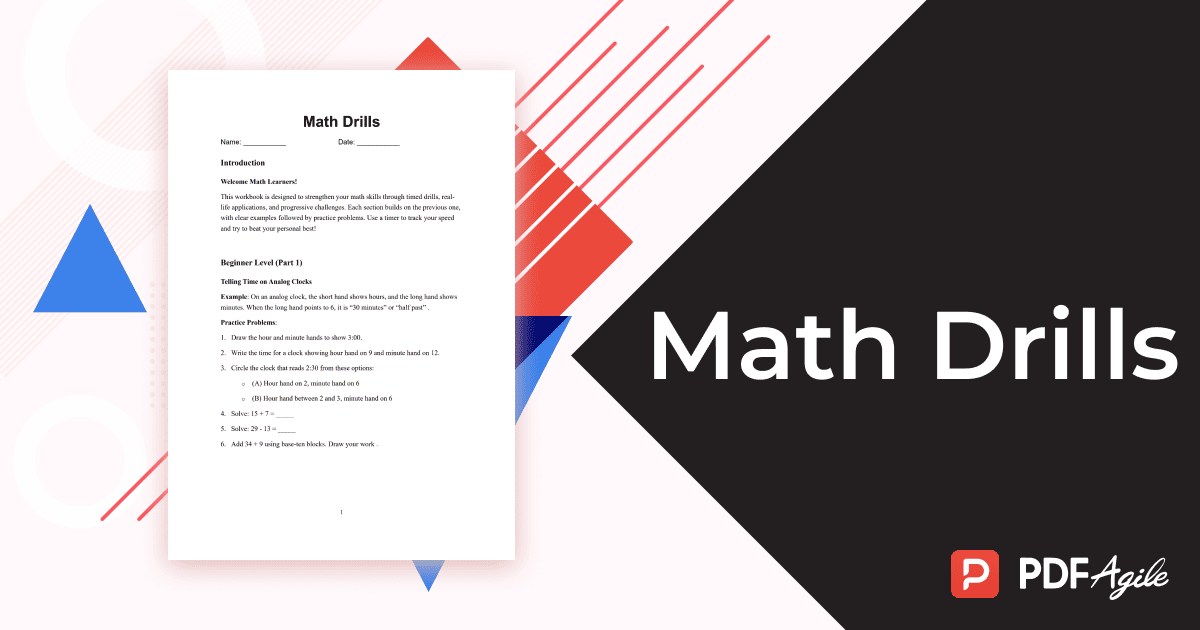
Have you ever wondered why telling time is one of the first skills in math drills? It’s because time connects math to daily life—like calculating how long a movie lasts or planning your schedule. The Math Drills template begins with analog clocks, reinforcing observation and counting. For example, the template asks: Draw the hour and minute hands to show 3:00.This simple task teaches precision: the hour hand points directly to 3, while the minute hand aligns at 12. Similarly, math drills addition problems like *22$ are introduced with base-ten blocks, making abstract concepts tactile. By starting with these basics, the template ensures learners build confidence before advancing.
The template’s beginner section also includes timed exercises, such as a one-minute drill for or. Why are these timed math drills so effective? They promote fluency—the ability to recall answers quickly, which is crucial for tackling complex problems later. Each question, like finding the end time of a 2-hour movie starting at 1:00, blends clock reading with arithmetic. By practicing these, you’re not just memorizing numbers; you’re learning to apply math in real time. The template’s clear examples, such as breaking down into tens and ones, make learning intuitive and engaging.
How Can Timed Math Drills and Multiplication Problems Boost Your Speed and Accuracy?
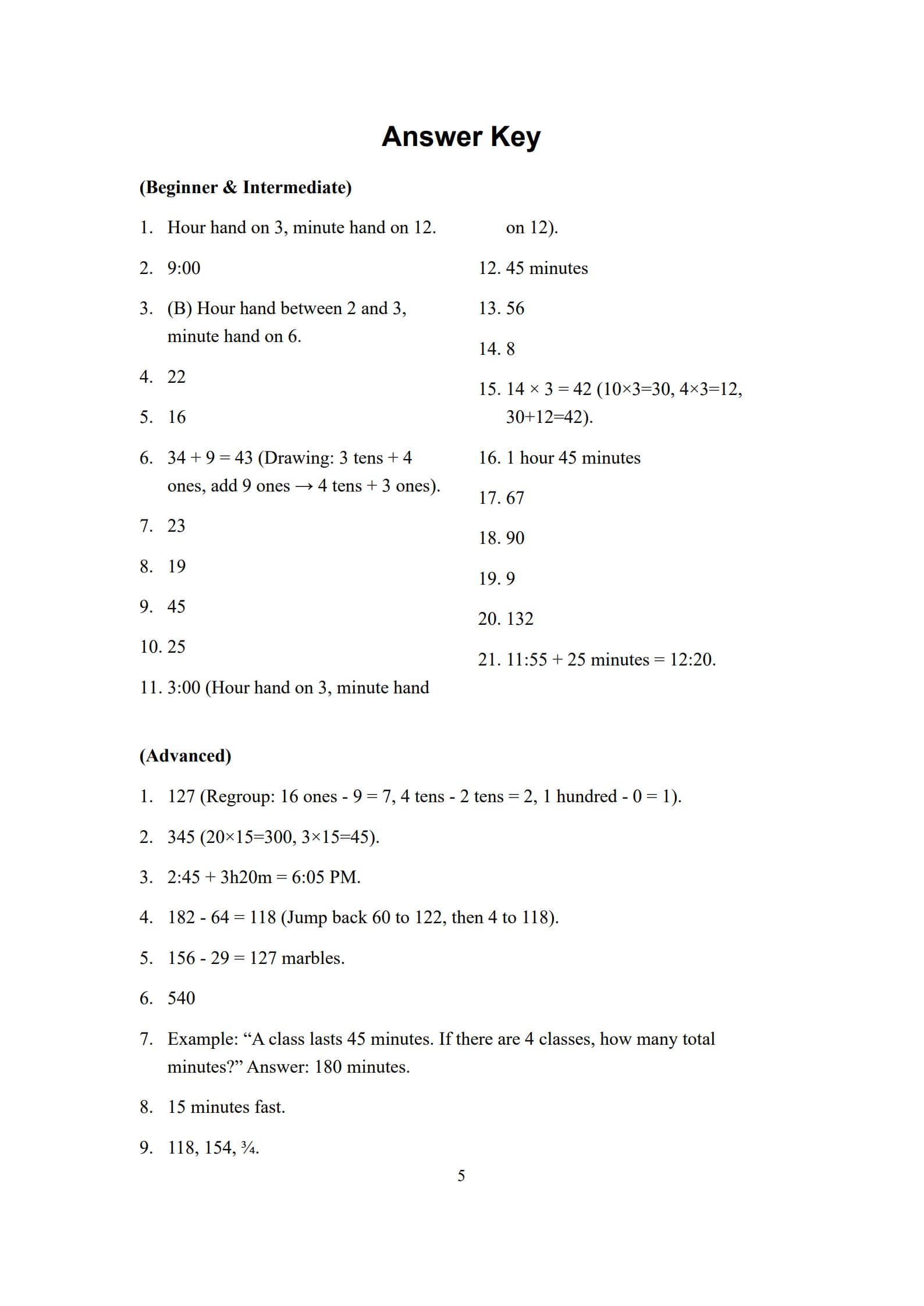
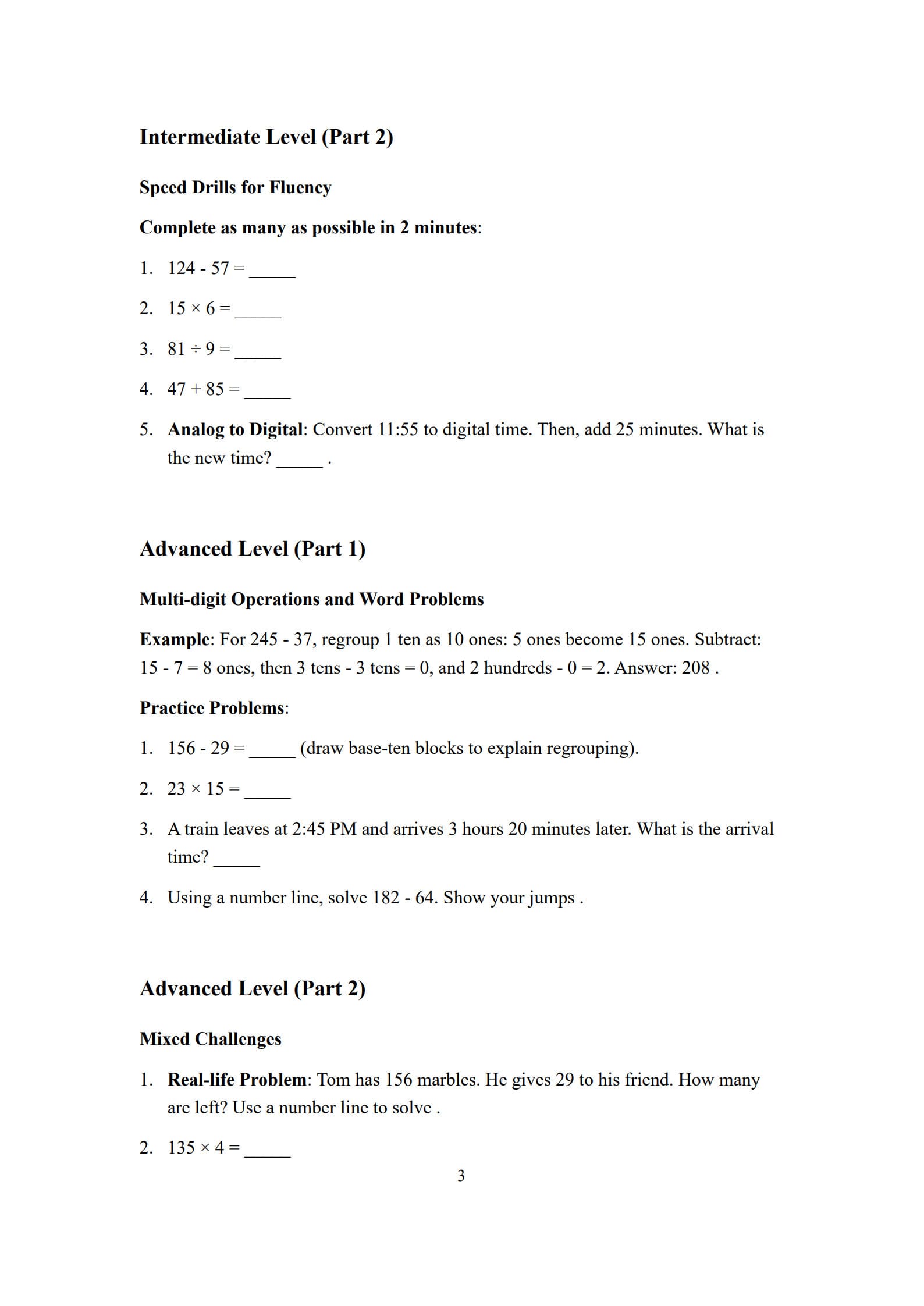
What if you could solve as quickly as you recall your own name? Timed math drills are designed to achieve just that—by turning effort into instinct. The intermediate level of the template challenges learners with elapsed time and multiplication, such as calculating minutes between 8:20 AM and 9:05 AM (answer: 45 minutes). These exercises sharpen mental math while keeping practicality in focus. For example, a problem asks: If a meeting lasts from 10:30 AM to 12:15 PM, how long is it? The answer—1 hour 45 minutes—requires adding hours and minutes, a skill used in everyday planning.
The template’s math drills multiplication section goes beyond rote memorization. It emphasizes strategies like regrouping for , where you multiply tens and ones separately (, , then ). This method builds number sense, helping learners decompose problems into manageable parts. Speed drills, such as completing or within two minutes, foster healthy competition with oneself. The goal isn’t just speed—it’s accuracy under pressure, which is vital for tests and real-life decisions.
Moreover, the template integrates time conversion, like converting 11:55 to digital format and adding 25 minutes to get 12:20. This reinforces the link between arithmetic and time management. By practicing these timed math drills, you’ll find that complex problems become less daunting. The template’s progressive structure ensures that each skill, whether multiplication or time calculation, is mastered through repetition and variation.
From Beginner to Advanced: A Structured Path Through Math Drills Worksheets
The Math Drills template is carefully segmented into beginner, intermediate, and advanced levels, each with clear objectives. This structure allows learners to track their growth systematically. Below is a table summarizing the focus areas and sample exercises from each level. This progression ensures that learners don’t jump into advanced topics prematurely. For instance, the beginner level uses analog clocks to teach counting and fractions (e.g., “half past” when the minute hand is at 6). Meanwhile, the advanced level introduces regrouping in subtraction, as with , where tens are borrowed to solve. Such math drills worksheets are designed to build competence incrementally, reducing frustration and fostering a sense of achievement.
Word problems in the advanced section, like Tom’s marble problem (156 - 29 = 127), apply math to relatable scenarios. Learners are encouraged to use number lines or base-ten blocks, making abstract concepts tangible. The template also includes creative tasks, such as designing a word problem using time and multiplication—e.g., “A class lasts 45 minutes. If there are 4 classes, how many total minutes?” This not only reinforces skills but also encourages ownership of learning.
Applying Math Drills to Real-Life Situations: Making Learning Relevant and Fun
How often do you use multiplication to plan your day or subtraction to manage a budget? The Math Drills template bridges classroom learning to real-life applications, making math meaningful. For example, the advanced section includes a problem about a train departing at 2:45 PM and arriving 3 hours 20 minutes later. Calculating the arrival time (6:05 PM) involves adding hours and minutes—a skill useful for travel planning. Similarly, word problems like Tom’s marbles (156 - 29) teach resource management through storytelling.
The template also addresses common errors, such as clocks running fast. One question asks: If a clock shows 3:00 when it’s 2:45, how many minutes fast is it? (Answer: 15 minutes). This critical thinking exercise reinforces precision and self-correction. By integrating these scenarios, the math drills worksheets go beyond repetitive drills; they cultivate problem-solving skills that apply to academics, careers, and daily decisions.
Furthermore, the template encourages learners to create their own problems. This innovative approach fosters creativity while solidifying concepts. Whether you’re practicing math drills multiplication for school tests or math drills addition for quick calculations, the real-world context ensures that learning is engaging and long-lasting.
How to Use the Math Drills Template on PDF Agile: A Step-by-Step Guide
Using the Math Drills template in PDF Agile is straightforward and customizable. Follow these steps to get started:
Step 1: Access the Math Drill Template
Open the PDF Agile app and navigate to the Template Library. Search for “Math Drills” and select the template. It comes pre-formatted with sections for beginner, intermediate, and advanced levels, including examples like clock drawings and multiplication problems. Click “Use Template” to create your editable copy.
Step 2: Personalize the Content
The template is fully customizable. Add your name or a student’s name to the header, modify time intervals for timed math drills, or adjust numbers for repeated practice. For instance, change values in addition problems like to create new exercises. PDF Agile’s editing tools allow you to insert text, draw shapes for base-ten blocks, or even add images of analog clocks.
Step 3: Practice with Timers and Tools
Use the app’s annotation features to solve problems directly on the PDF. For timed sections, set a timer using the app’s built-in clock or an external one. Complete drills like the two-minute speed challenge for, then check your answers against the template’s key.
Step 4: Save and Share Your Progress
Once completed, save your worksheet as a PDF for future reference. You can also share it via email or print it for offline practice. PDF Agile ensures that your work is secure and easily accessible across devices.
Step 5: Iterate and Improve
Reuse the template by duplicating it for daily practice. Track your speed and accuracy over time to measure improvement. The template’s structured levels make it easy to focus on weak areas, such as math drills multiplication or elapsed time.
Conclusion
The Math Drills template in PDF Agile is more than a collection of problems—it’s a road map to mathematical fluency. By integrating timed math drills, real-world applications, and progressive challenges, it turns learning into an engaging journey. From drawing clock hands for 3:00 to solving multi-digit operations, every exercise builds confidence and competence.
As you use this template, remember that consistency is key. Regular practice with math drills addition and math drills multiplication will sharpen your skills, making math a tool for success rather than a hurdle. PDF Agile’s customizable features ensure that the template adapts to your needs, whether you’re a beginner or advancing to complex word problems.