


Maintaining a professional and respectful image in the workplace starts with a well‑defined dress code policy. Whether you manage an office, a retail store, or a manufacturing facility, setting clear expectations for employee attire helps build a cohesive brand identity and minimize misunderstandings. This article explains what a dress code policy is, why it matters, what to include, and provides practical tips and templates to help you create your own.
1. What Is a Dress Code Policy?
A dress code policy is an internal business document that defines what employees should wear while representing the company at work. It clarifies appropriate standards of clothing, footwear, and accessories for different roles or situations.
Dress code policies can range from formal corporate attire to casual or business‑casual styles, depending on industry standards and company culture. The main goal is to maintain a balance between employees’ comfort and the organization’s professional image.
Typical types of dress codes include:
- Business Formal: Suits, dress shirts, ties, and polished shoes.
- Business Casual: Collared shirts, slacks, blouses, and closed‑toe shoes.
- Casual: Jeans, clean shirts, and comfortable but appropriate shoes.
- Uniformed: Standardized workwear, often branded with the company logo.
2. Why Does a Dress Code Policy Matter?
A clear dress code policy benefits both employers and employees in several ways:
- Professional image: Reinforces the company’s identity and level of professionalism.
- Consistency: Ensures fairness by applying the same expectations to everyone.
- Safety: Specifies protective clothing requirements in industrial or fieldwork settings.
- Compliance: Helps meet legal or industry standards (for example, hygiene rules in food service).
- Employee confidence: Removes ambiguity about what is acceptable and helps employees plan their attire easily.
A well‑written dress code policy contributes to a harmonious work environment and better employee engagement.
3. What Information Should Be Included in a Dress Code Policy?
An effective policy should be detailed enough to guide employees but flexible enough to respect personal expression. Essential elements include:
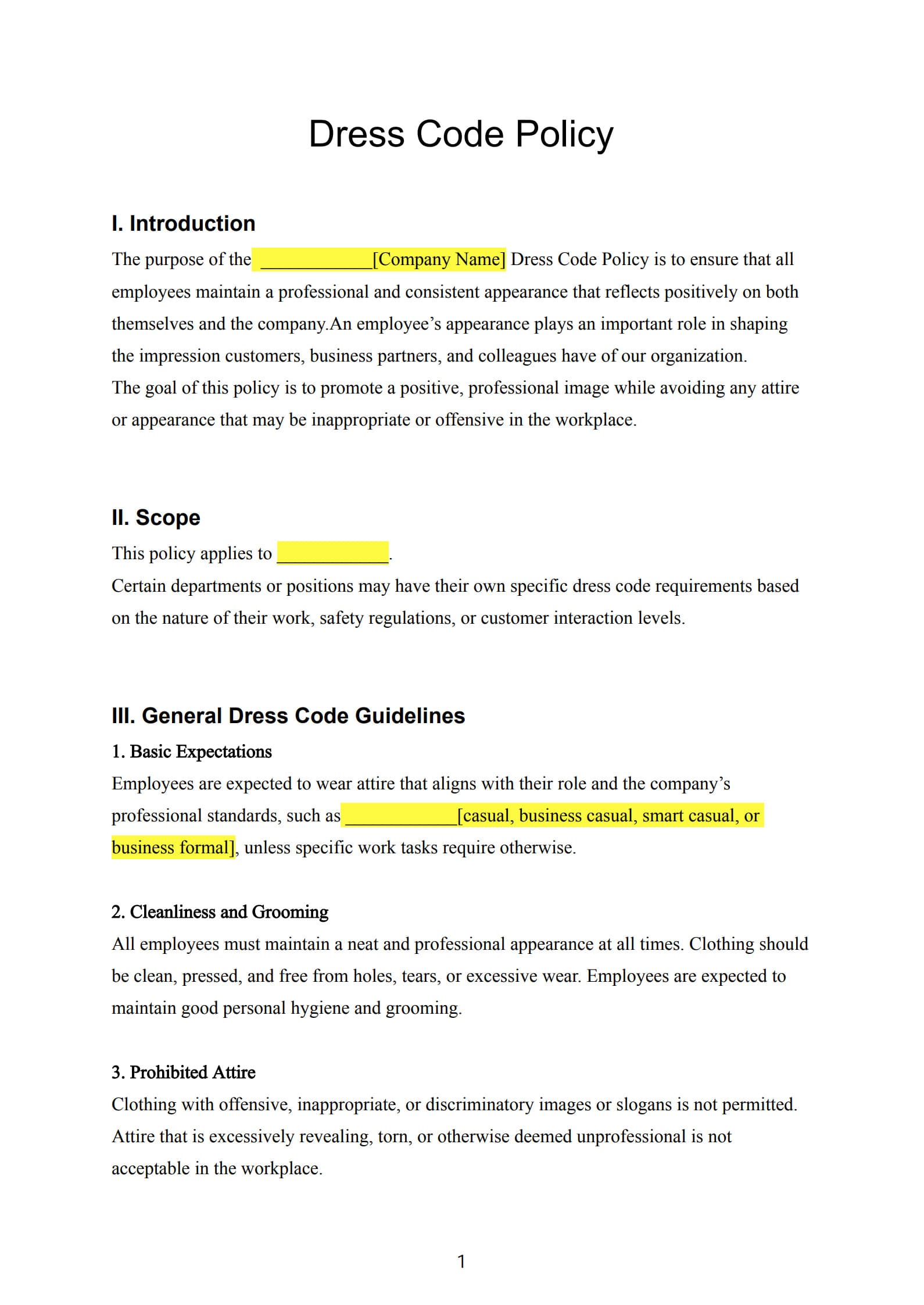
- Purpose and Scope – Explain why the policy exists and who it applies to (e.g., all staff, specific departments, remote employees).
- General Guidelines – Outline acceptable dress standards and prohibited items (e.g., offensive prints, ripped clothing, excessive perfume).
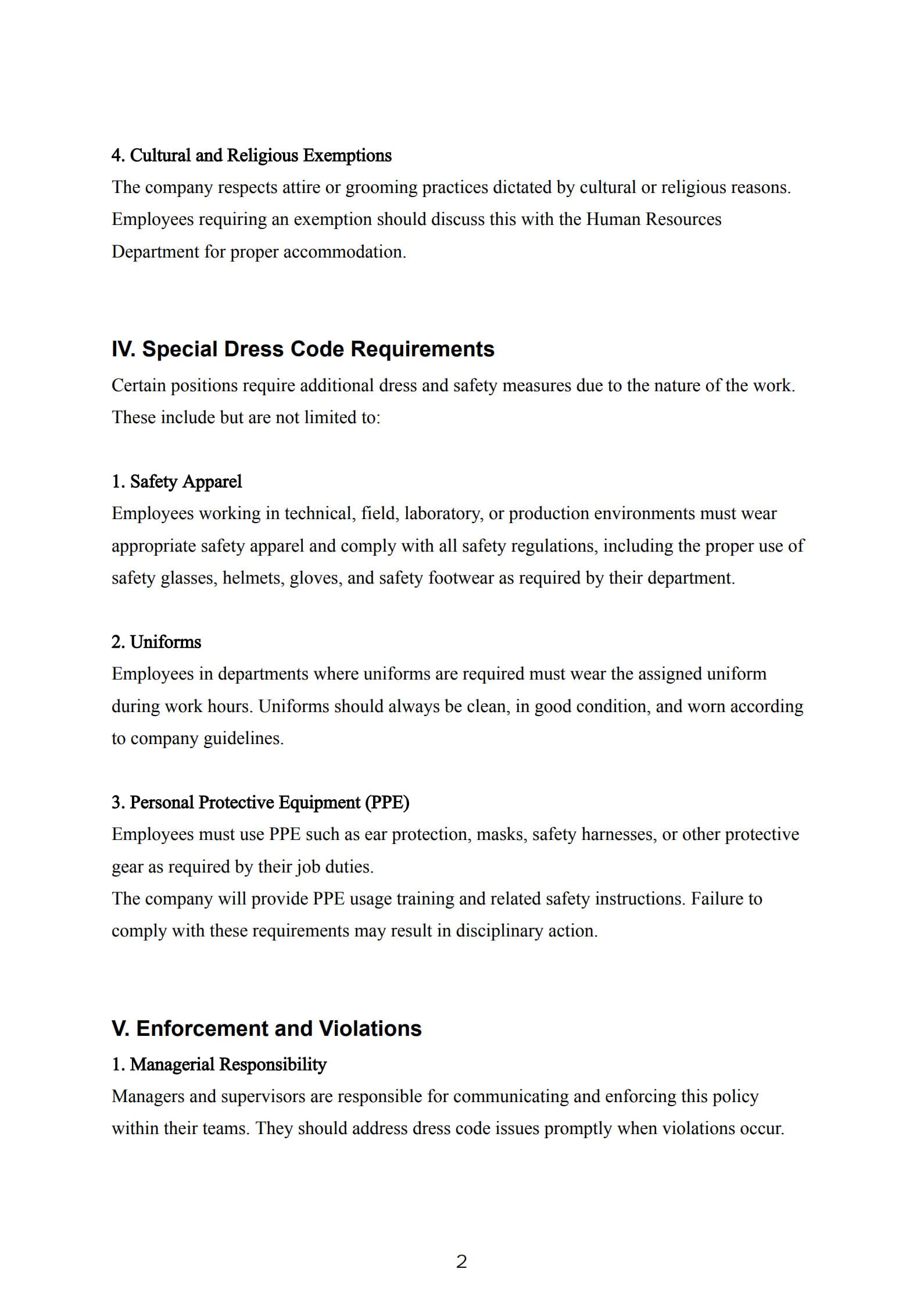
- Special Requirements – Include roles that require uniforms, safety gear, or client‑facing dress.
- Gender Neutrality and Inclusivity – Use inclusive language and allow flexibility for cultural or religious clothing preferences.
- Seasonal Adjustments – Address dress code variations during hot or cold weather.
- Enforcement and Consequences – Describe how violations are handled (e.g., verbal warning, reminder, HR meeting).
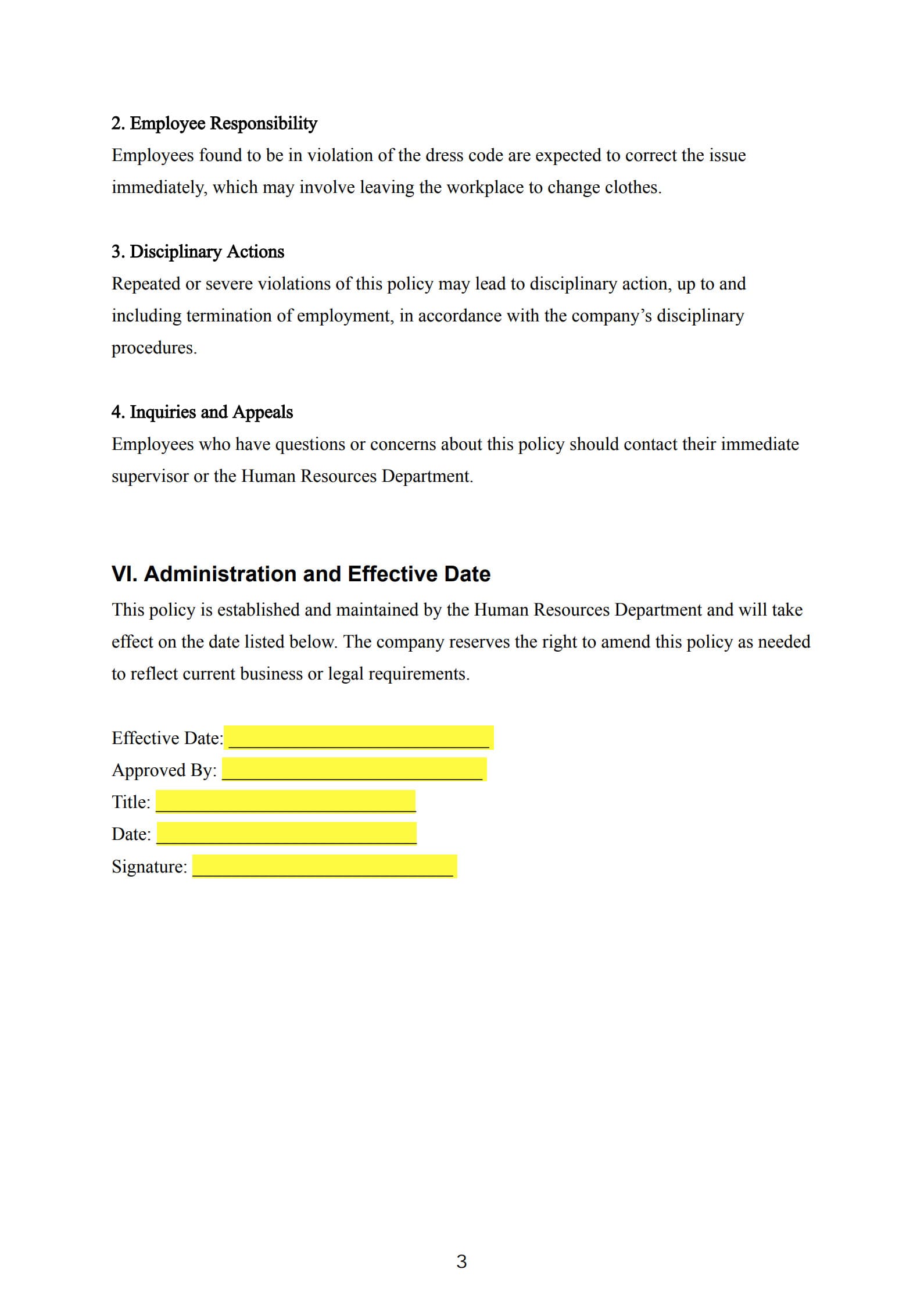
- Policy Review and Updates – Indicate when and how the company will review the guidelines.
4. How to Use the Dress Code Policy Template Effectively
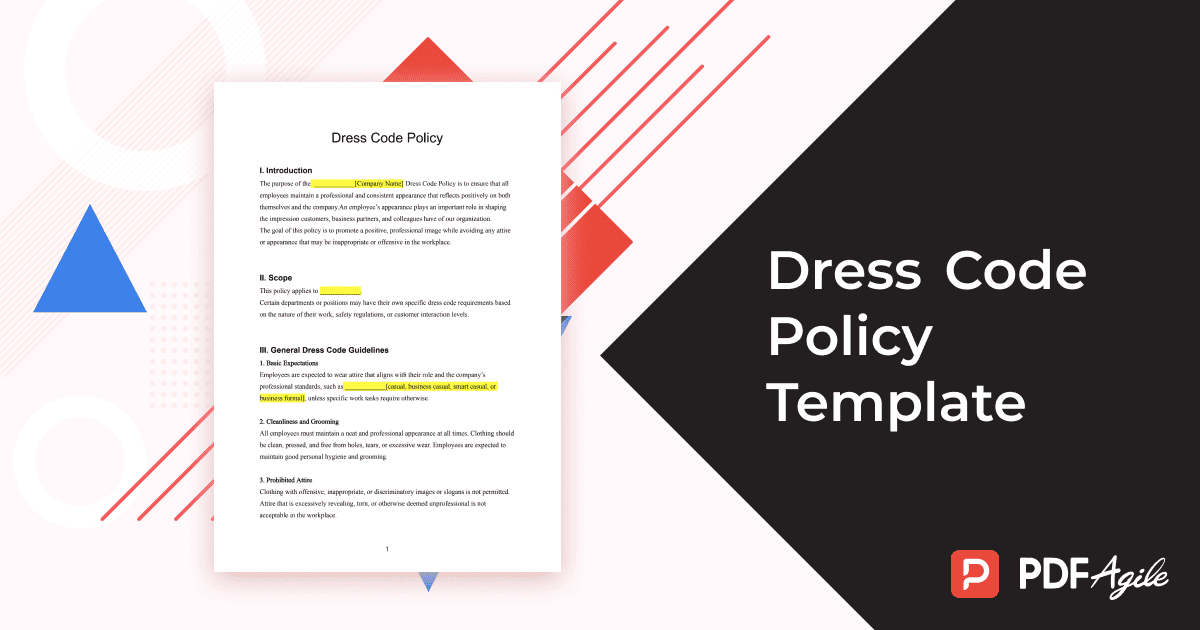
Writing a dress code policy from scratch can feel time‑consuming—especially for new businesses or growing teams. To make the process easier, we’ve created a free and fully editable Dress Code Policy Template that helps you define clear, professional standards for employee attire while saving time and keeping your policy consistent.
How to use the template:
- Download the template
Visit the PDF Agile website and download the free Dress Code Policy Template. - Open it with PDF Agile
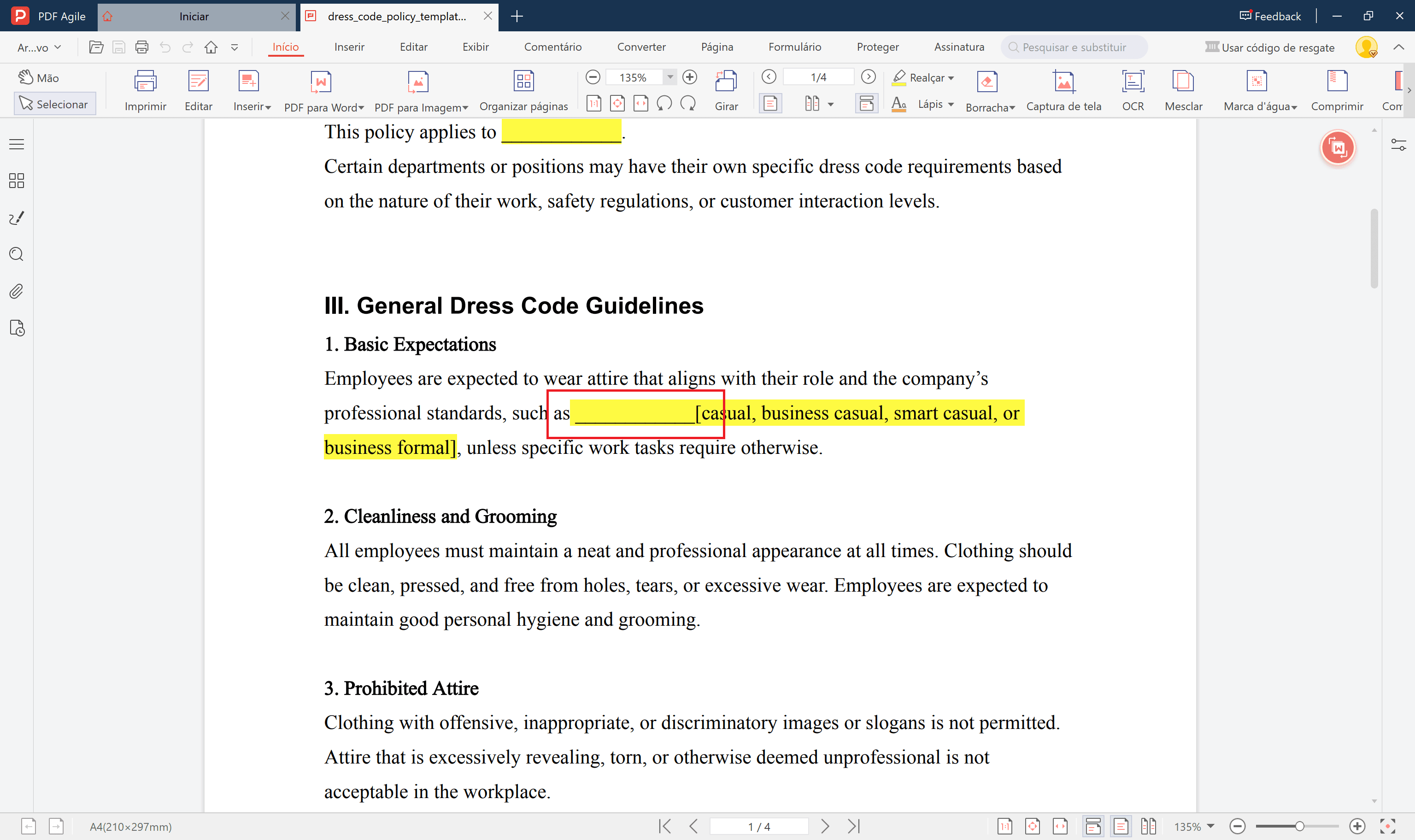
Launch the file in PDF Agile to easily edit, fill, and re‑format its contents. - Customize the details
Adapt the sections to match your organization’s culture, department needs, and expected dress categories (business formal, business casual, uniforms, etc.).
- Insert signature fields
Add designated areas for employees to sign and confirm they have read and agree to the policy.
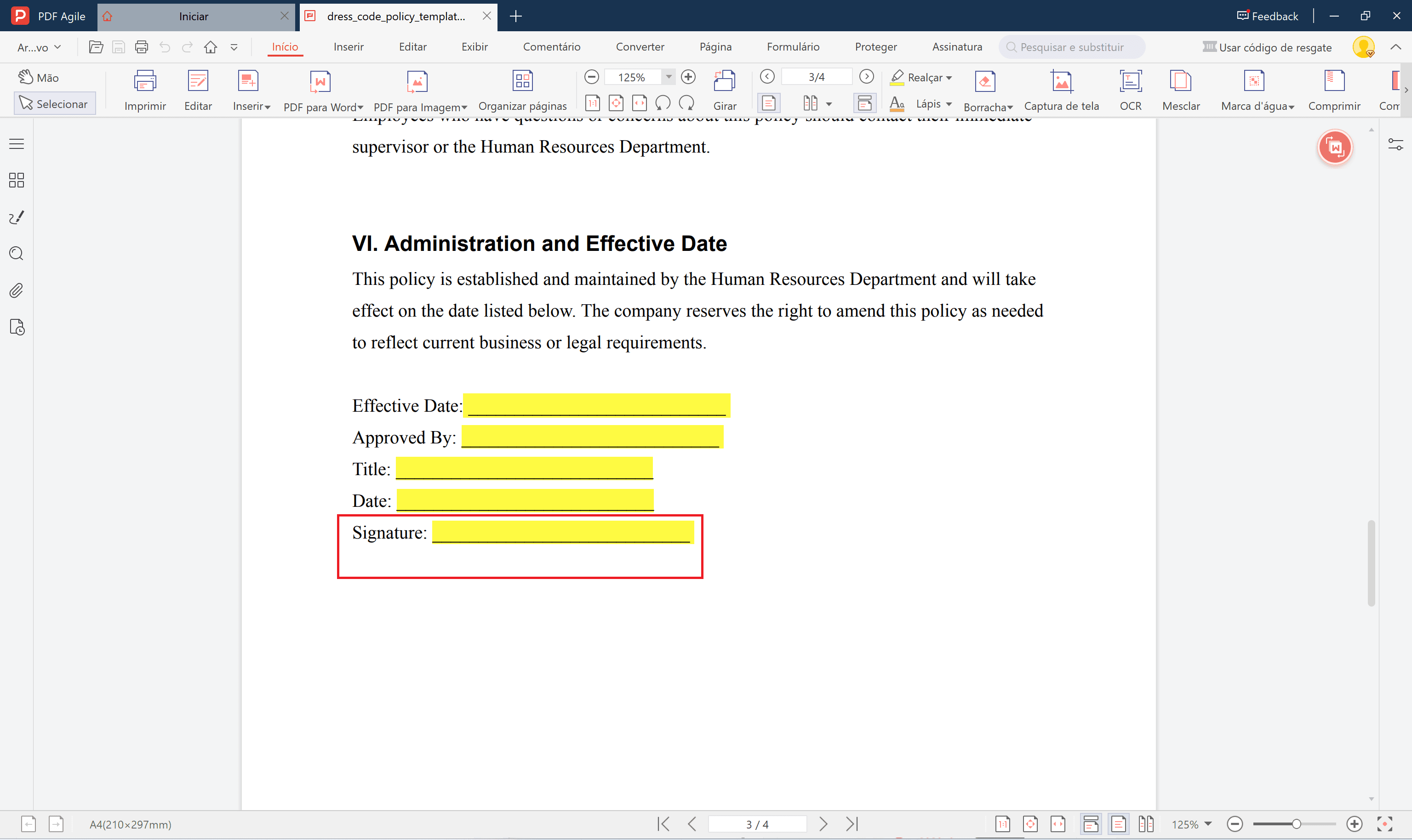
- Save and export the final document
Review the completed policy, make final adjustments, and export it in PDF or Word format for official distribution.
This pre‑formatted template saves you valuable time while still allowing the flexibility to tailor the policy to your organization’s brand, culture, and operational requirements.
5. Writing Tips to Improve Your Dress Code Policy
- Use plain language: Avoid complex legal terms; write in simple, direct sentences.
- Be inclusive: Ensure the policy respects all gender identities, cultures, and religious needs.
- Stay consistent with brand tone: A modern company might allow casual attire, while a law firm may prefer formal wear.
- Add visuals if helpful: Include sample outfit images in the appendix or company handbook.
- Review annually: Update the document as your company’s culture or branding evolves.
These small refinements can make your policy more adaptable, user‑friendly, and aligned with company values.
6. Conclusion
A clear and inclusive Dress Code Policy not only promotes professionalism but also fosters equality, safety, and brand coherence in the workplace. With a free and editable template, you can craft a customized version that suits your organization’s needs in minutes. Establish consistency, reflect your values, and help every employee feel confident and appropriately dressed every day.