




Submitting a tender is a serious business decision. Whether you are bidding for a construction project, a service contract, or a supply agreement, the tender letter is often the first document reviewers read. It sets expectations, reflects professionalism, and frames how the rest of your proposal is perceived.
Because of this, many organizations rely on a tender letter template rather than writing from scratch. A template helps ensure clarity, consistency, and completeness—especially in high-stakes or time-sensitive bidding processes.
This article explains what a tender letter is, why it matters, and how a well-designed tender letter template can support more effective and confident submissions.
What Is a Tender Letter
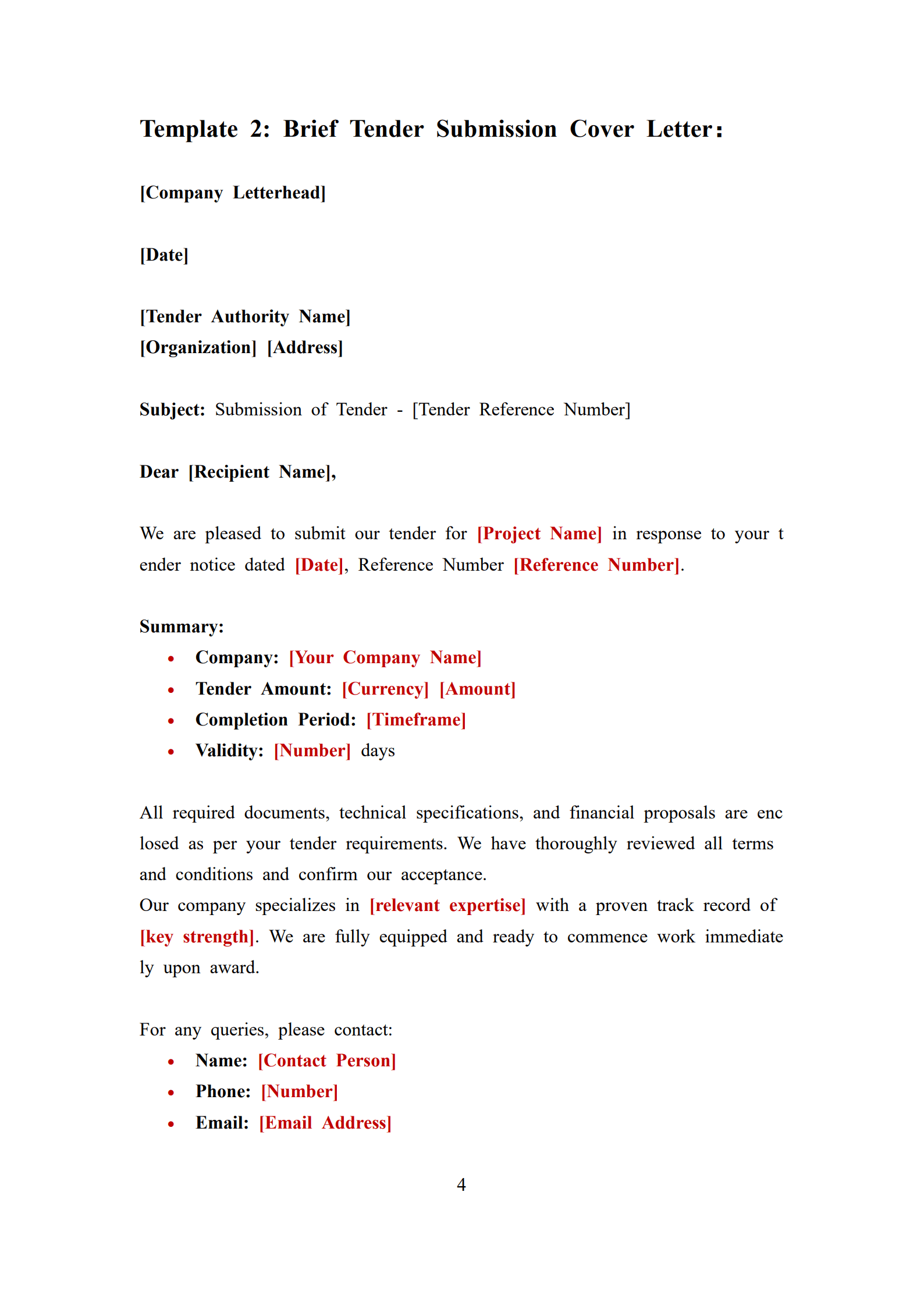
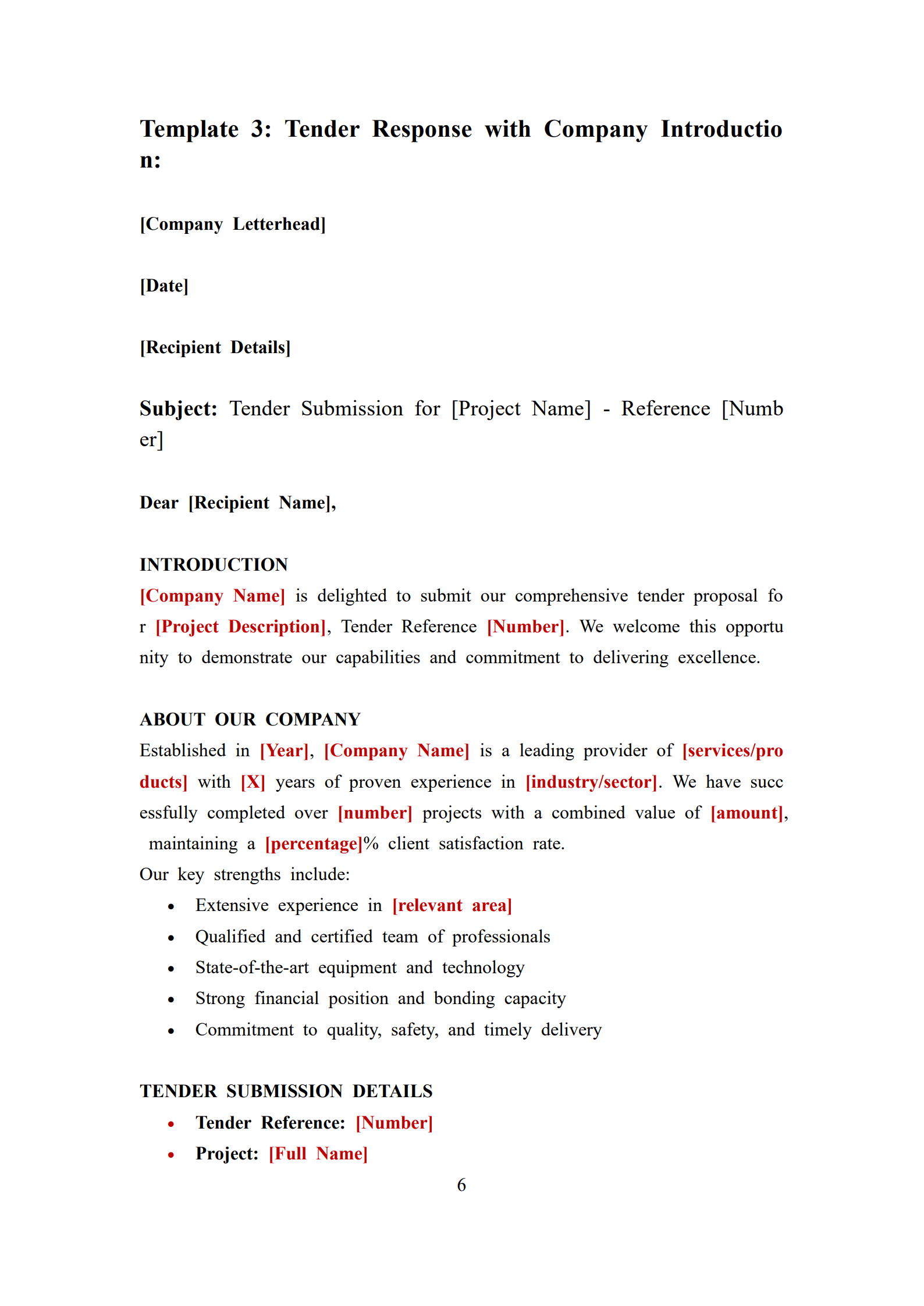
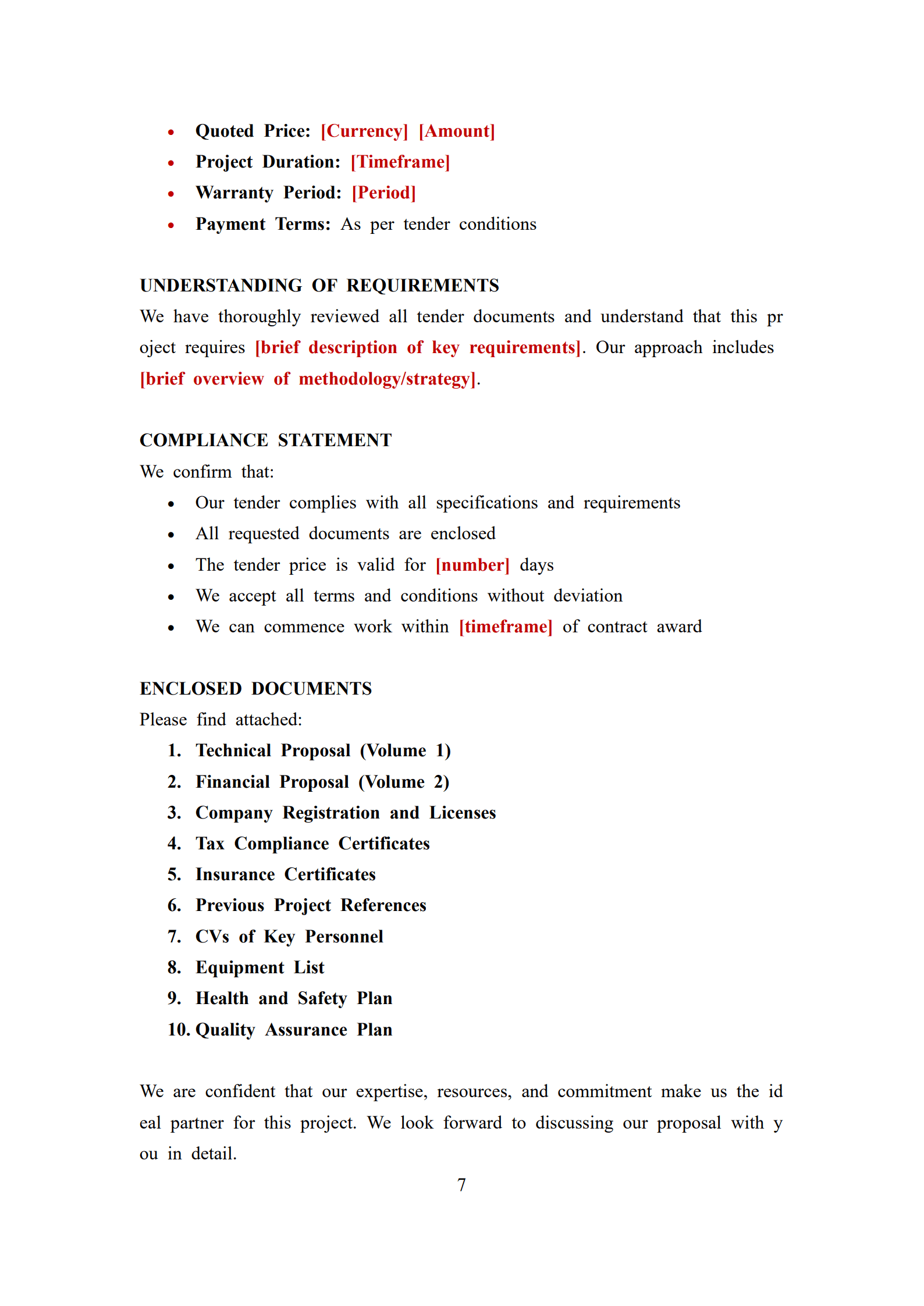
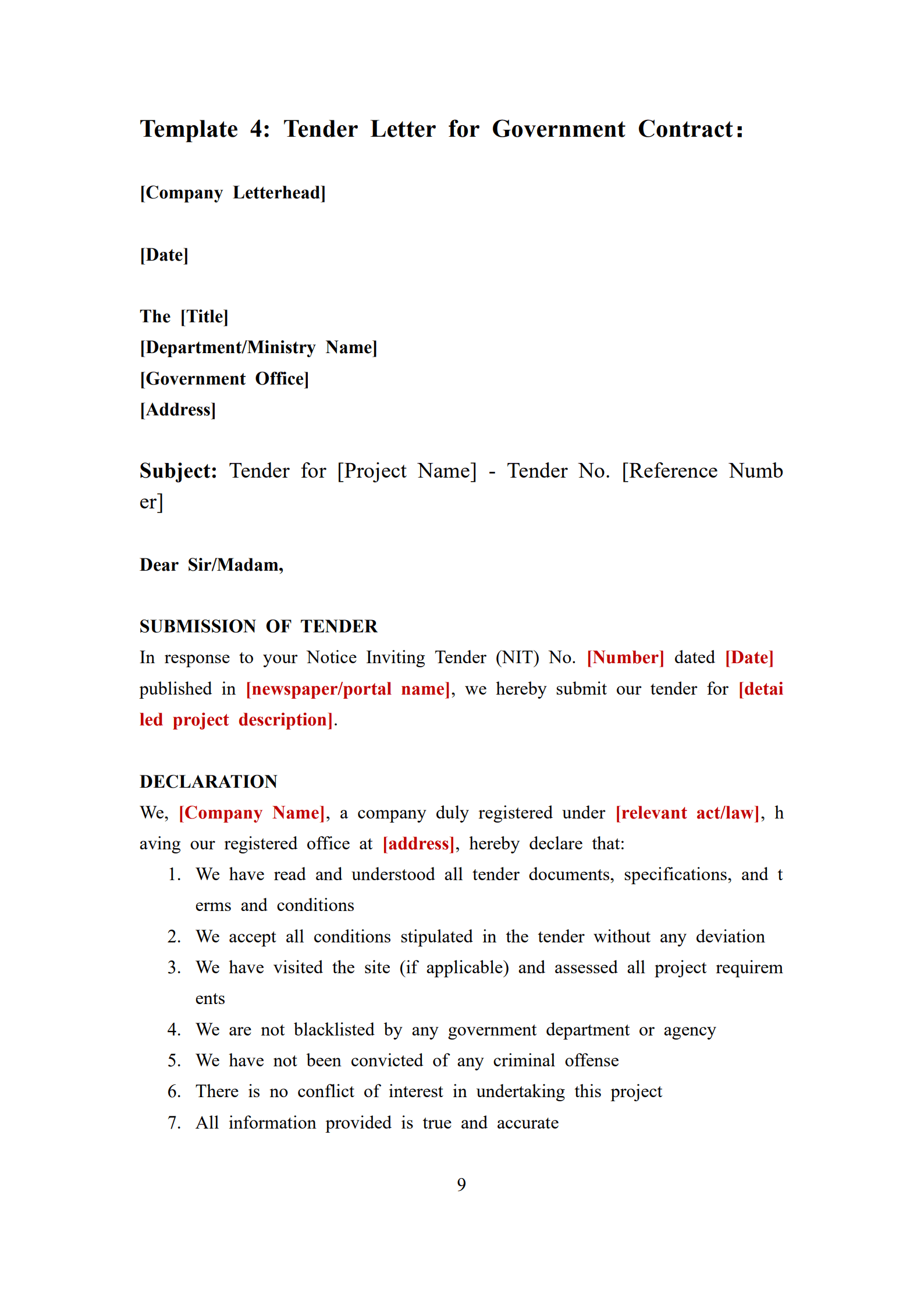
A tender letter is a formal document submitted as part of a tender or bidding process. It accompanies the main proposal and formally expresses the bidder’s intent to participate, comply with requirements, and deliver the requested goods or services.
Unlike marketing material, a tender letter is factual and structured. It confirms key details such as the project name, reference number, submission date, and the bidder’s acceptance of the tender conditions.
A tender letter template provides a standardized format for presenting this information clearly and professionally.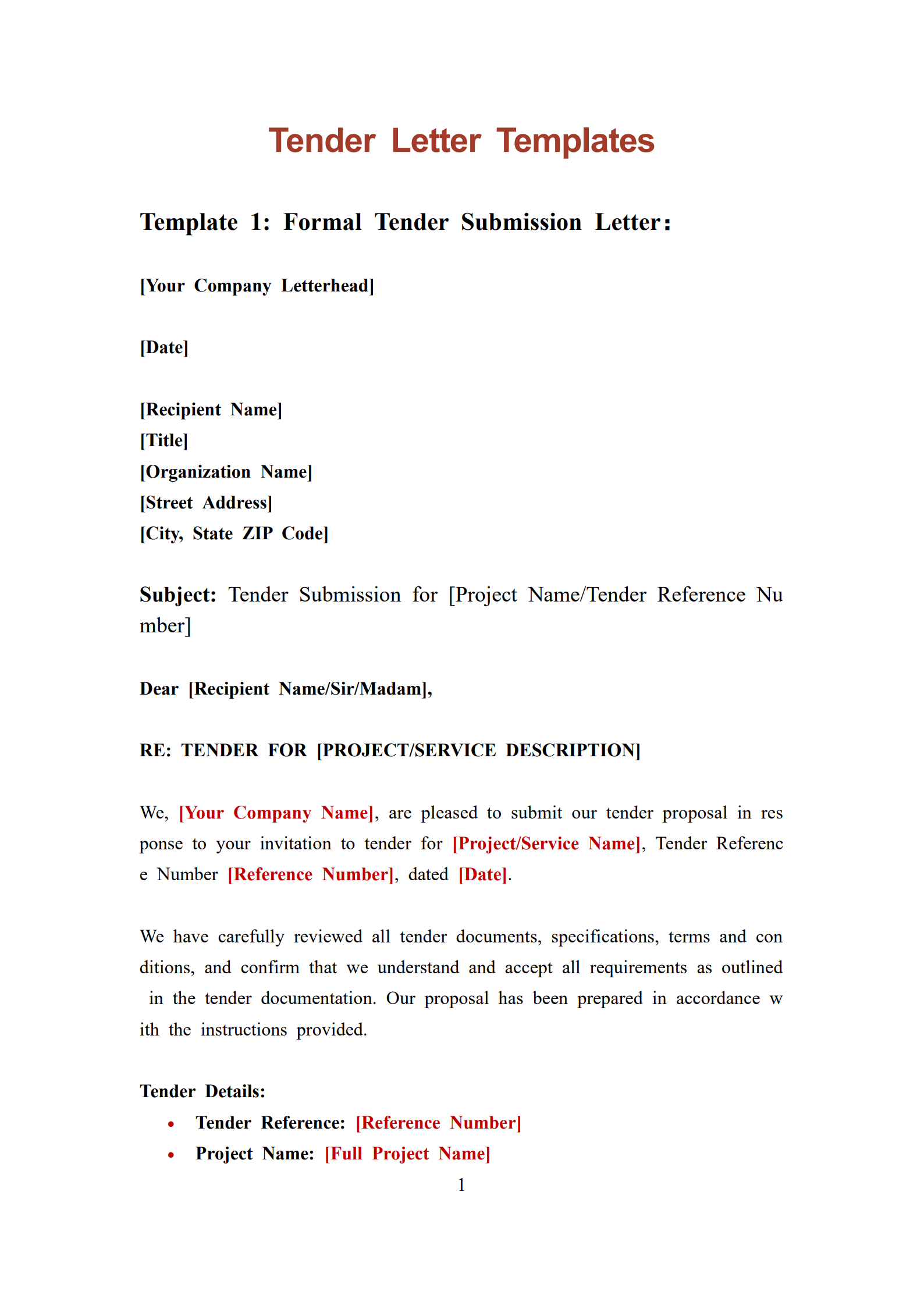
Why the Tender Letter Is an Important Part of Any Bid
The tender letter may be brief, but its role is significant. It acts as the official introduction to your bid and frames how evaluators approach the rest of your submission.
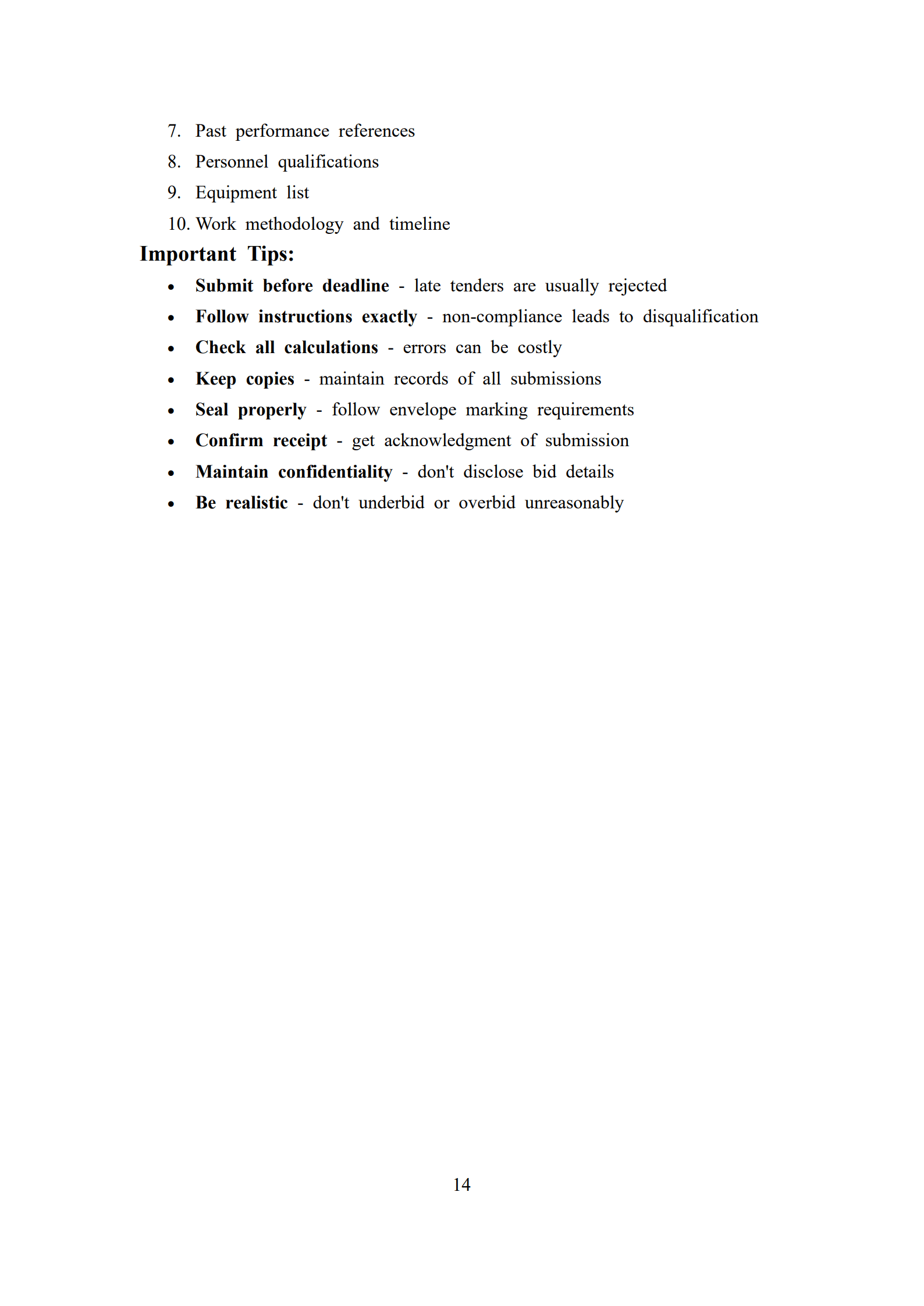
A well-written tender letter helps to:
- Demonstrate attention to detail
- Confirm understanding of tender requirements
- Show professionalism and reliability
- Reduce ambiguity in communication
In many cases, tender evaluations involve multiple bidders. A clear and well-structured tender letter helps reviewers quickly understand who you are, what you are offering, and how your proposal aligns with the tender request.
Why Use a Tender Letter Template
Writing a tender letter from scratch for every bid can be inefficient and risky. Small omissions or inconsistent wording may create confusion or raise questions during evaluation.
A tender letter template helps by:
- Providing a consistent structure across submissions
- Reducing the chance of missing key information
- Saving time during tight submission deadlines
- Supporting formal and neutral language
- Making internal review easier
Templates are especially useful for organizations that submit tenders regularly or operate across multiple teams or regions.
When a Tender Letter Is Required
Tender letters are commonly required in both public and private procurement processes. They are often mandatory in government tenders and large corporate contracts.
Common situations include:
- Public infrastructure or construction projects
- Service outsourcing agreements
- Supply or procurement contracts
- Consulting or professional service bids
- International or cross-border tenders
In some cases, the tender letter must follow specific formatting or content guidelines. A flexible tender letter template allows you to adapt while maintaining a professional structure.
What Information a Tender Letter Should Include
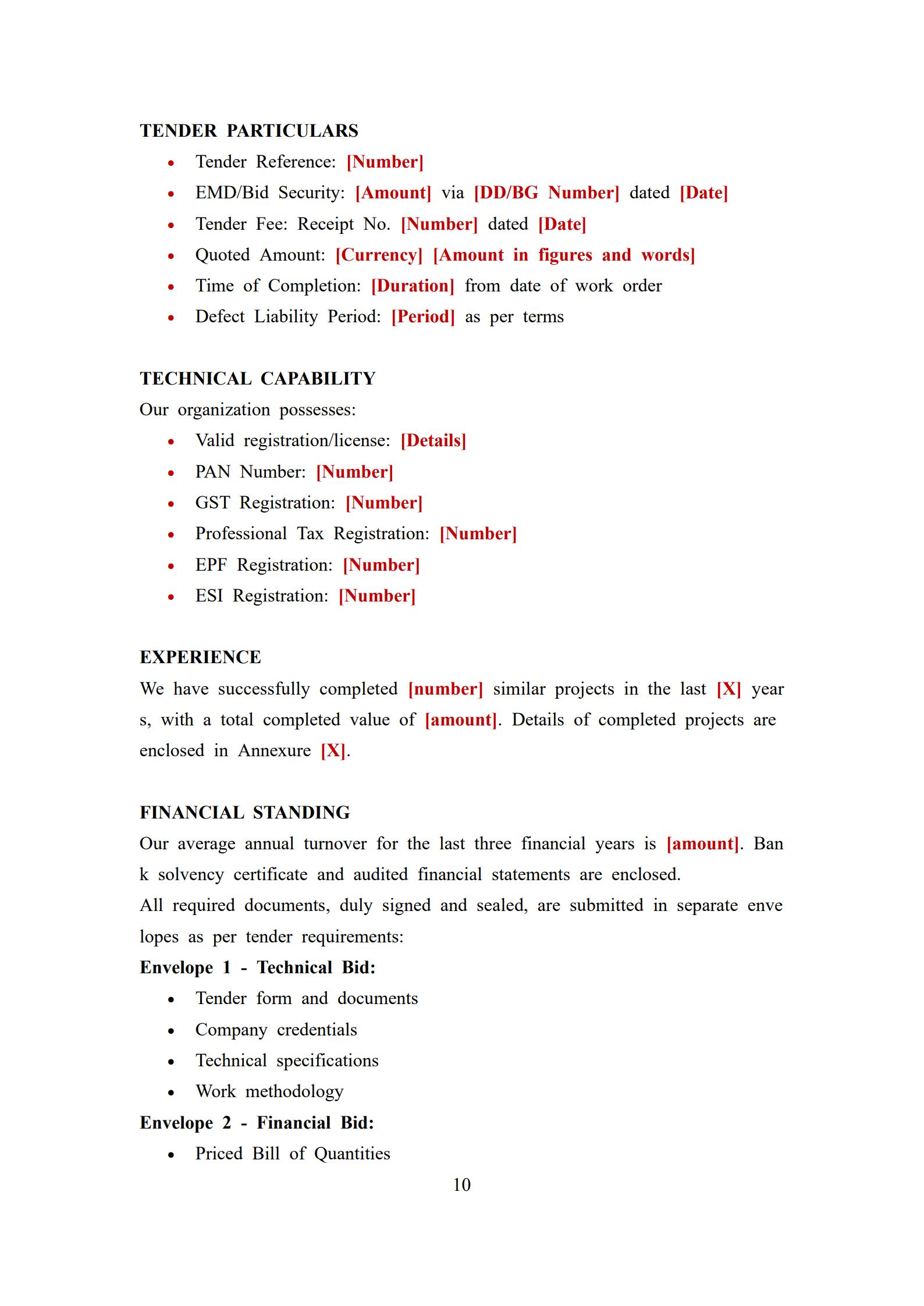
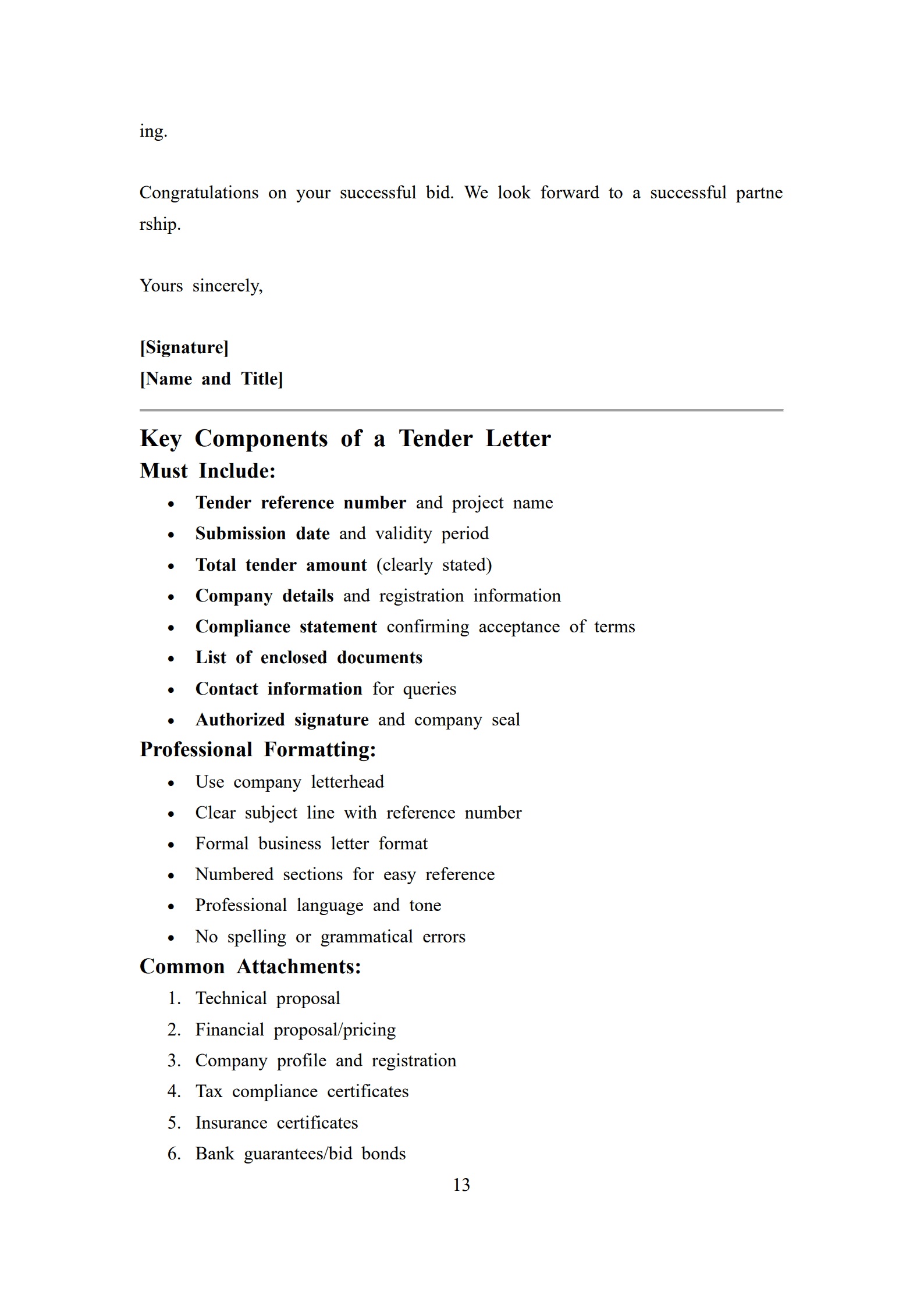
A strong tender letter is clear, concise, and complete. While exact requirements may vary, most tender letter templates include the following elements.
First, the letter should clearly identify the tender. This usually includes the tender title, reference number, and issuing authority.
Second, the letter should introduce the bidder. This includes the legal name of the company, registration details if required, and contact information.
Third, the letter should confirm intent and compliance. This section states that the bidder has reviewed the tender documents and agrees to the stated terms and conditions.
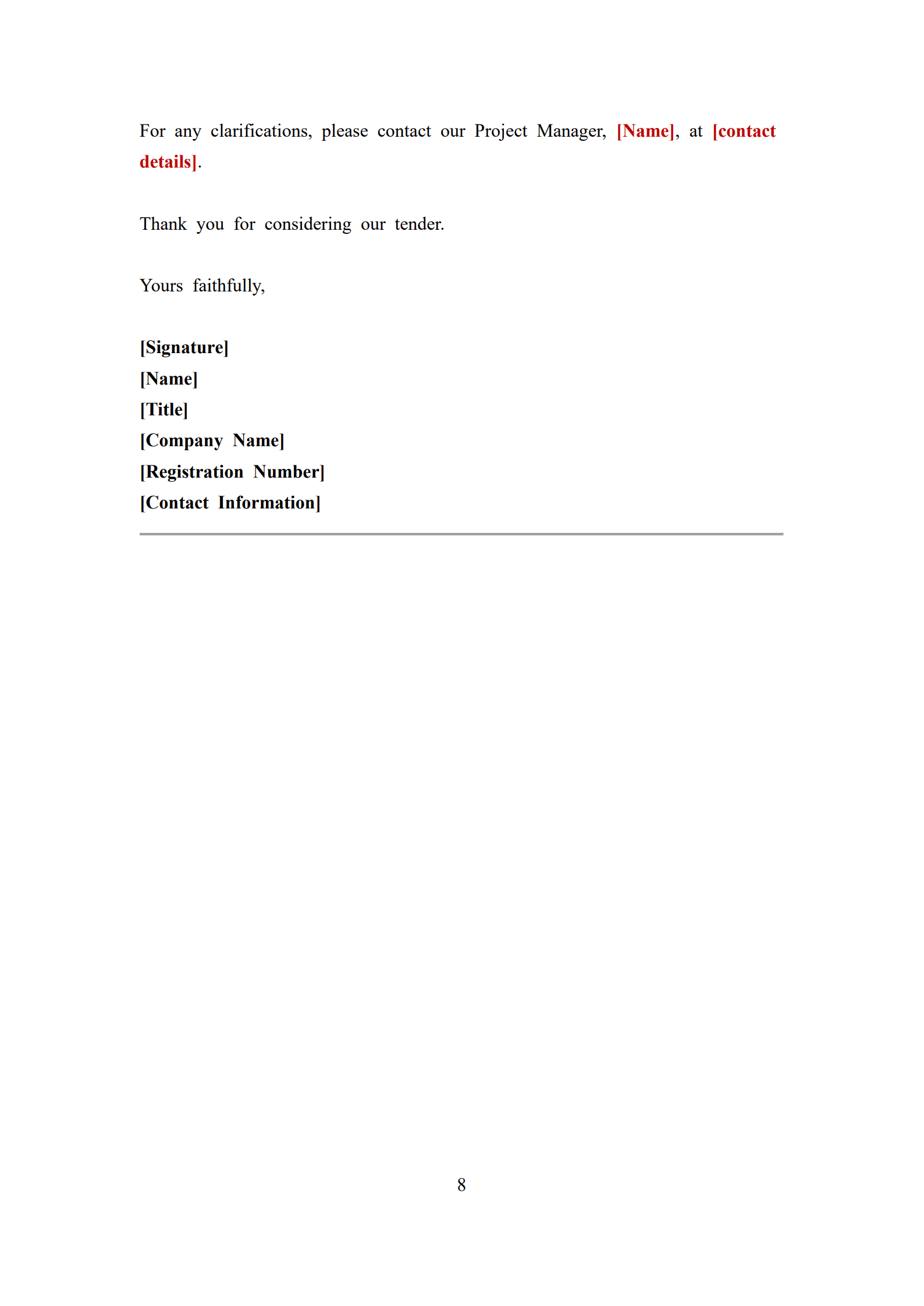
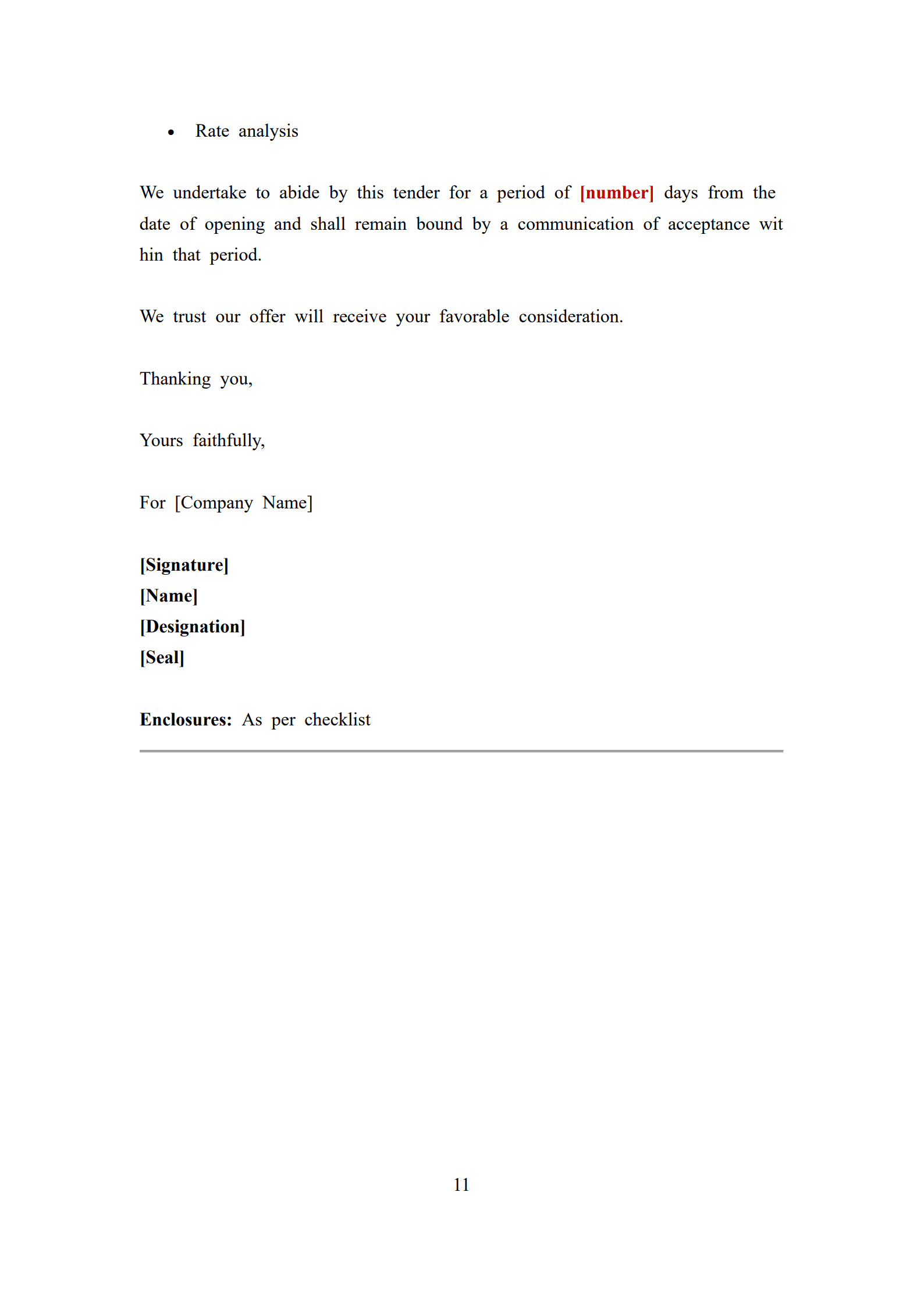
Finally, the letter should include a formal closing, signature, and date.
A tender letter template helps present these elements in a logical and professional order.
Tone and Language in a Tender Letter
Tender letters require a formal and neutral tone. Emotional language, promotional wording, or informal expressions are generally inappropriate.
Effective tender letter language is:
- Clear and direct
- Professional and respectful
- Free from unnecessary claims
- Focused on facts and confirmations
Templates help maintain this tone by providing wording that is suitable for official review processes.
How a Tender Letter Template Improves Accuracy
Tender submissions often involve strict compliance requirements. Even small errors can lead to delays or disqualification.
A tender letter template improves accuracy by:
- Using standardized phrasing
- Highlighting required fields for customization
- Making internal checks easier
- Reducing last-minute rewriting
When multiple people are involved in preparing a bid, a shared template also improves coordination and consistency.
Customizing a Tender Letter Template Correctly
Templates are not meant to be copied without review. Customization is essential to ensure accuracy and relevance.
When customizing a tender letter template, pay attention to:
- Correct tender reference numbers
- Accurate company details
- Submission deadlines
- Required declarations or statements
It is also important to adjust wording slightly if the tender issuer specifies particular language or clauses.
Common Mistakes in Tender Letters
Even experienced bidders can make avoidable mistakes in tender letters.
Common issues include:
- Using outdated templates
- Forgetting to update tender details
- Including promotional claims instead of confirmations
- Writing overly long introductions
- Omitting signatures or dates
A well-maintained tender letter template reduces these risks by prompting review of each key section.
Tender Letter Templates for Different Industries
While the structure of a tender letter is generally consistent, industry-specific needs may require slight adjustments.
Tender letter templates are commonly adapted for:
- Construction and engineering
- IT and software services
- Logistics and supply chain
- Professional consulting
- Facilities management
Having a core template with adjustable sections allows organizations to respond efficiently across different tender types.
Using Tender Letter Templates in Digital and Printed Submissions
Tender letters may be submitted digitally, physically, or both. A good template works well in all formats.
For digital submissions, clarity and formatting help reviewers scan documents quickly. For printed submissions, clean layout and formal presentation remain important.
A well-designed tender letter template supports both uses without requiring major changes.
Internal Review and Approval with Tender Letter Templates
Tender submissions often require internal approval before sending. Templates make this process smoother.
With a standardized tender letter template:
- Reviewers know what to expect
- Errors are easier to spot
- Approval cycles can be faster
- Documentation stays consistent
This is especially helpful for organizations with compliance or legal review processes.
Free Download: Your Tender Letter Template
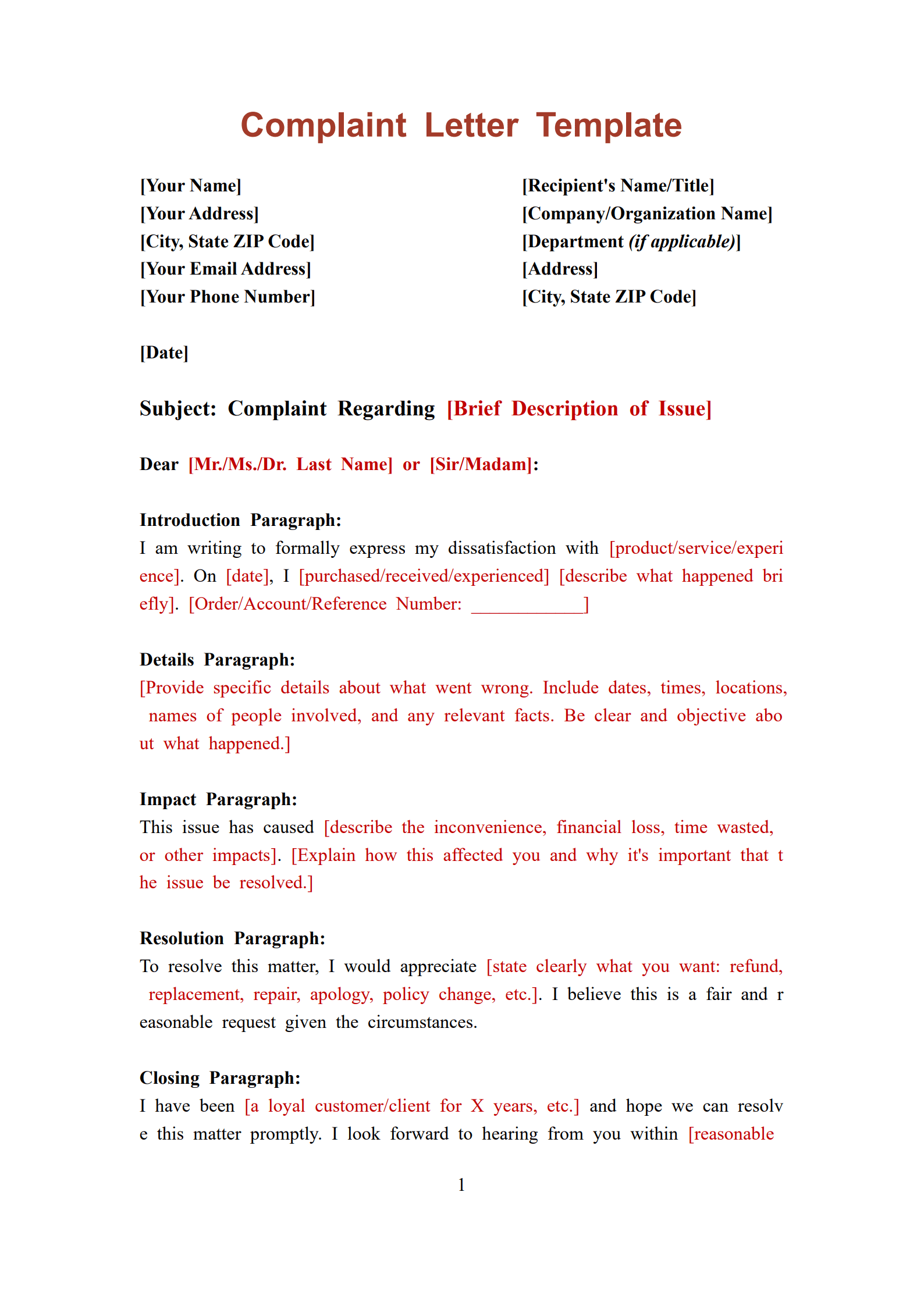
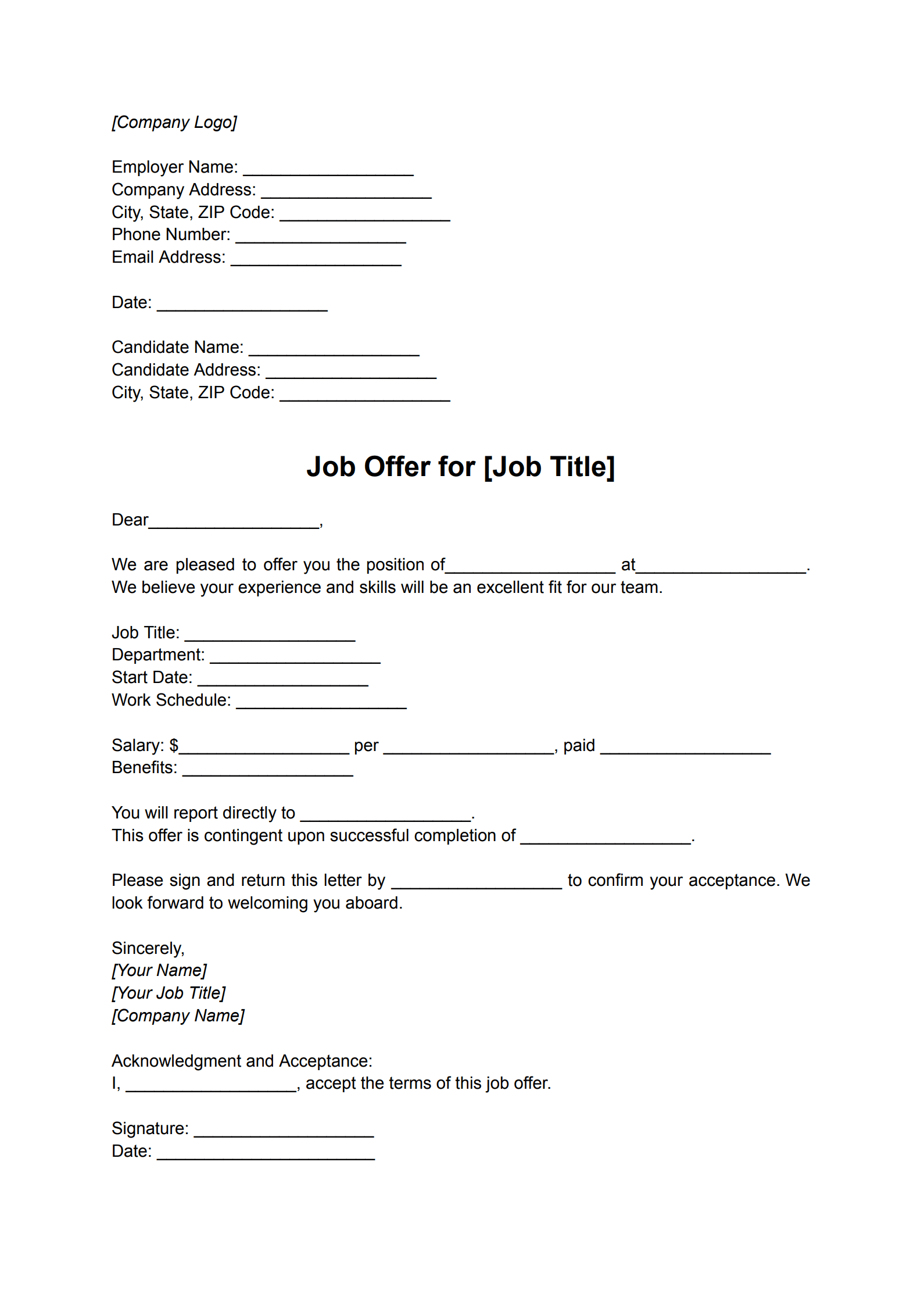
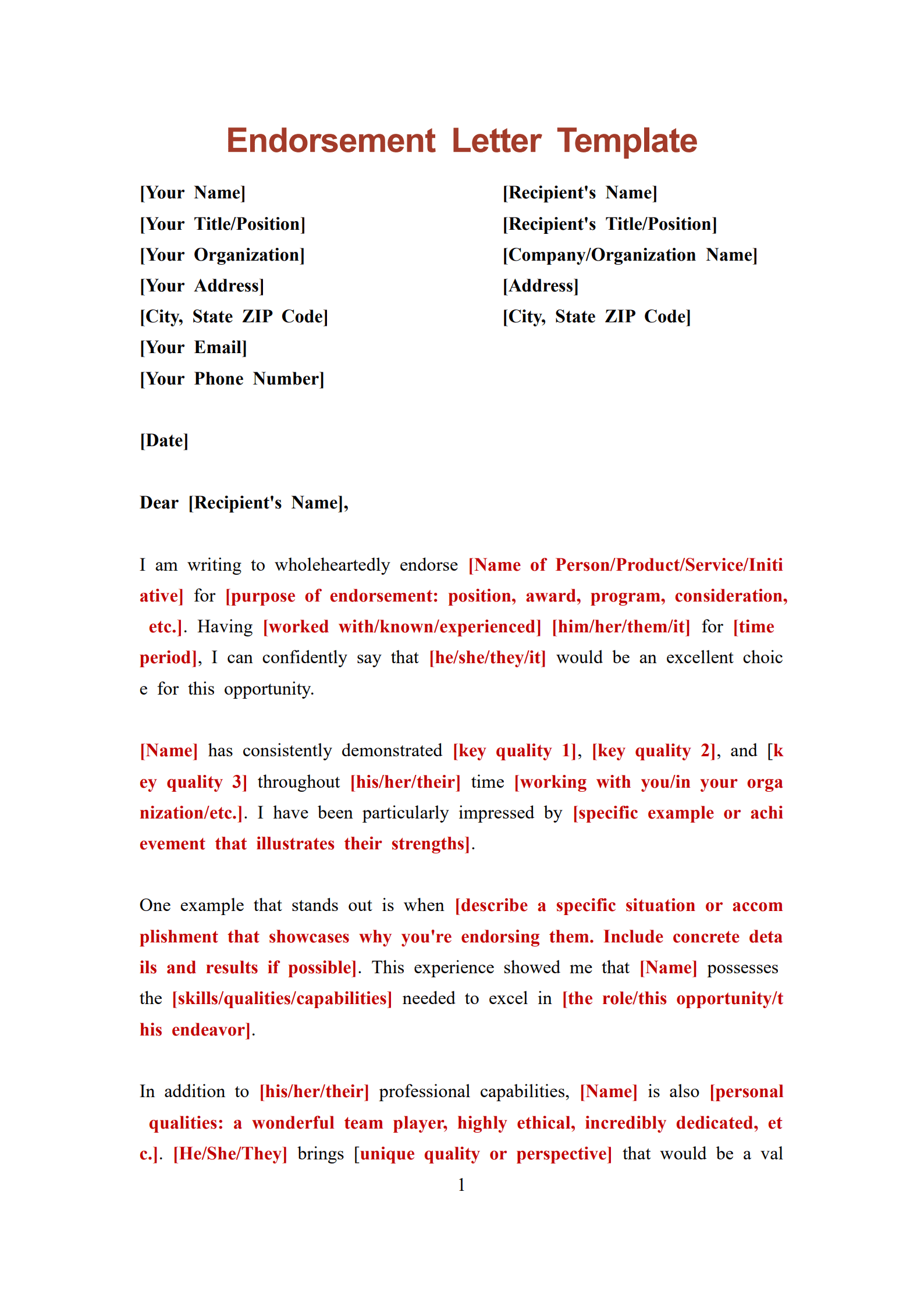
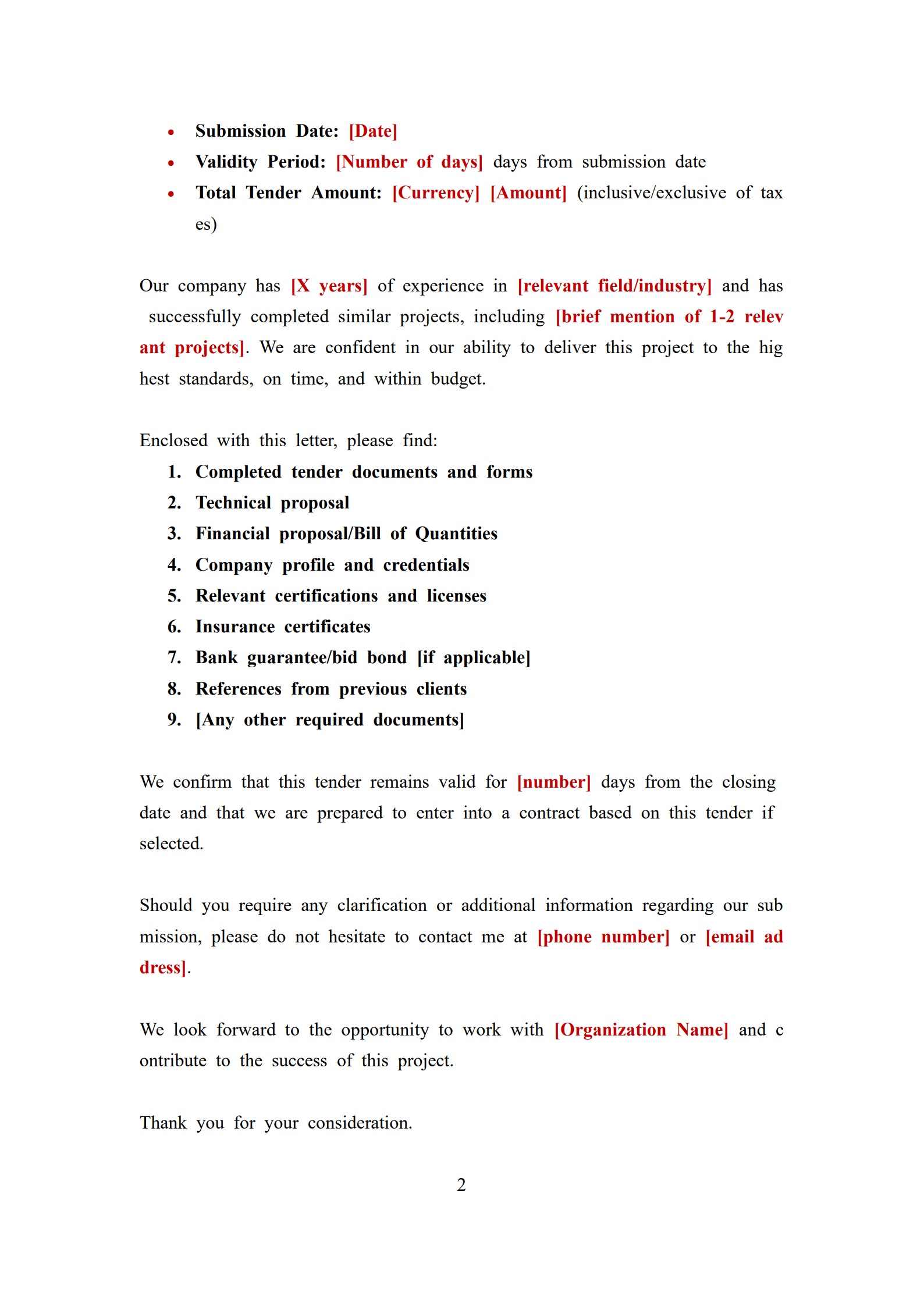
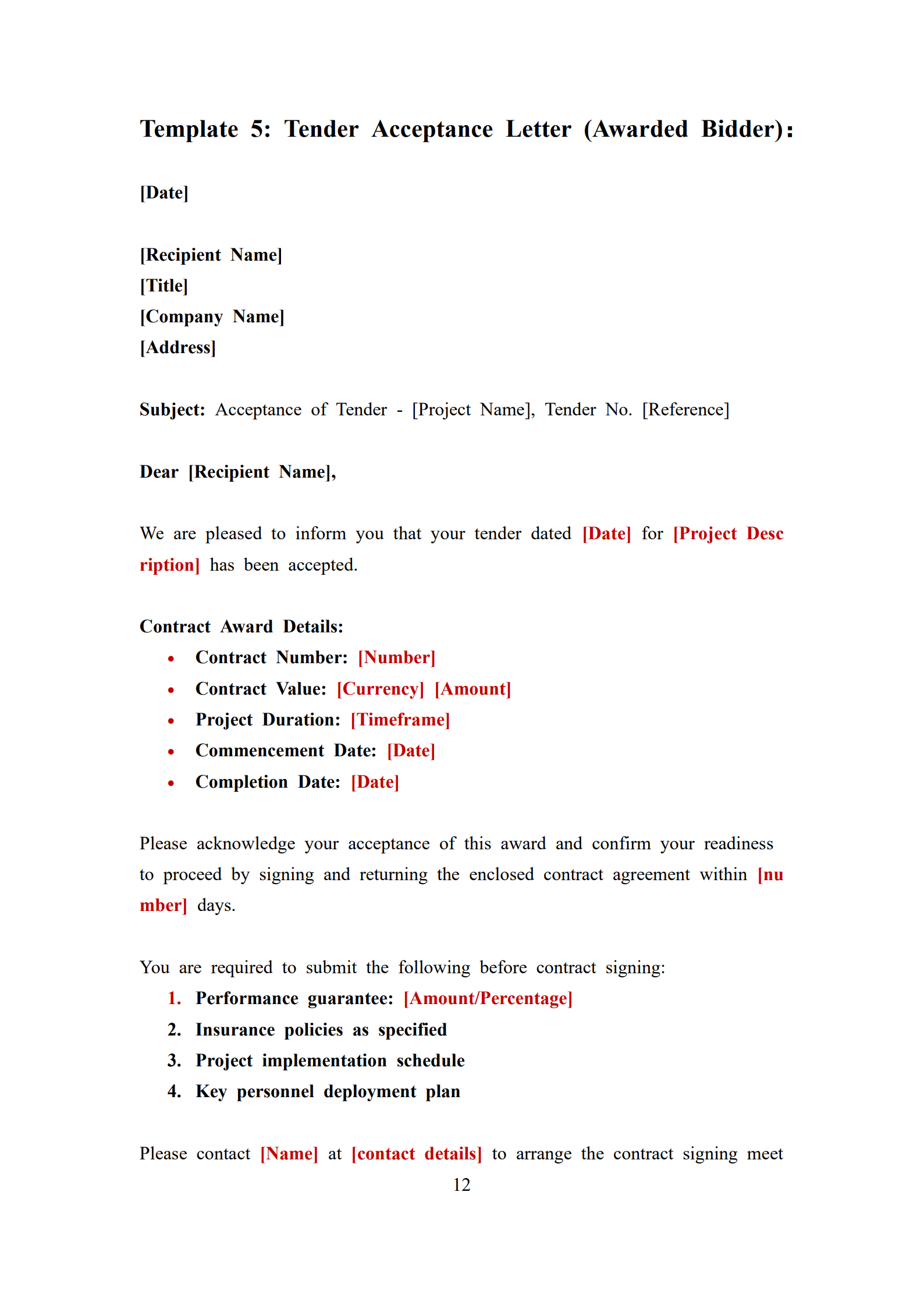
If you are looking for a practical way to prepare tender submissions more efficiently, using a template can help streamline the process.
You can access our free, customizable tender letter template by clicking the Use template button on this page. Add your project details, adjust the wording where required, and prepare a formal tender letter that fits your submission needs.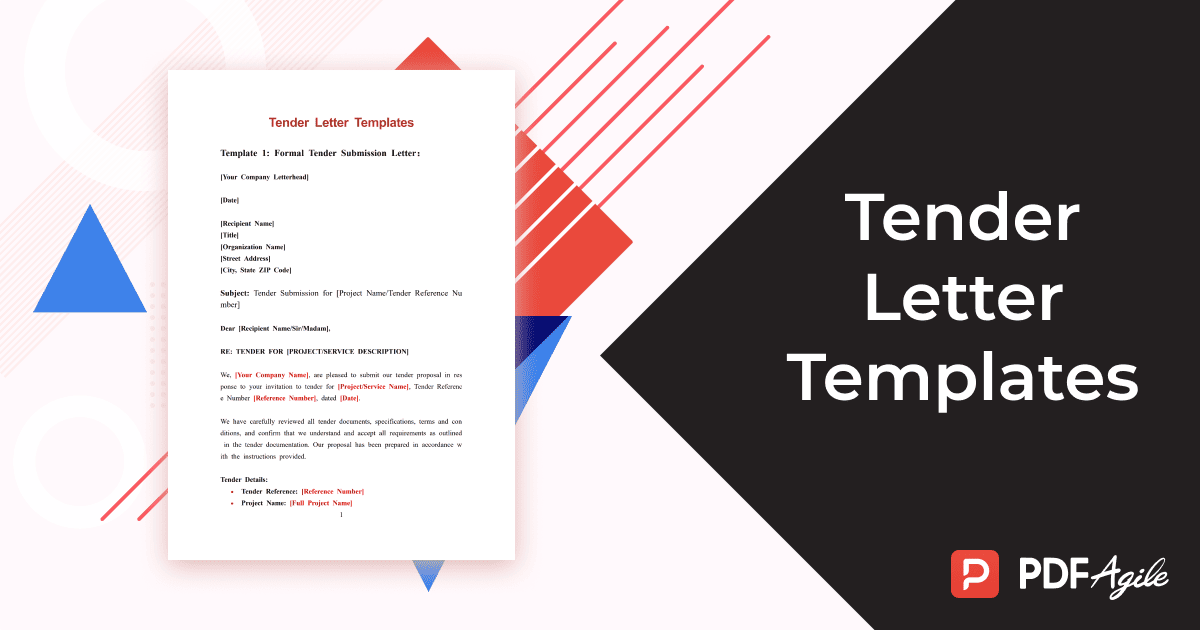
Tender Letter Template FAQs
Q: Is a tender letter always required?
A: Not always, but many tenders require a formal cover or submission letter.
Q: Can the same tender letter template be reused?
A: Yes. Templates are designed for reuse, as long as details are updated correctly.
Q: Should a tender letter include pricing information?
A: Usually no. Pricing is typically included in separate documents unless specified otherwise.
Q: Can individuals use tender letter templates, or only companies?
A: Both can use them. Templates can be adjusted for individual contractors or organizations.
Q: Is a tender letter legally binding?
A: The letter itself is usually not a contract, but it may confirm intent and compliance, which can carry formal significance.
A tender letter may be brief, but its impact is meaningful. Using a clear and well-structured tender letter template helps present your bid professionally, communicate intent clearly, and support a smoother evaluation process—allowing decision-makers to focus on the substance of your proposal rather than its presentation.