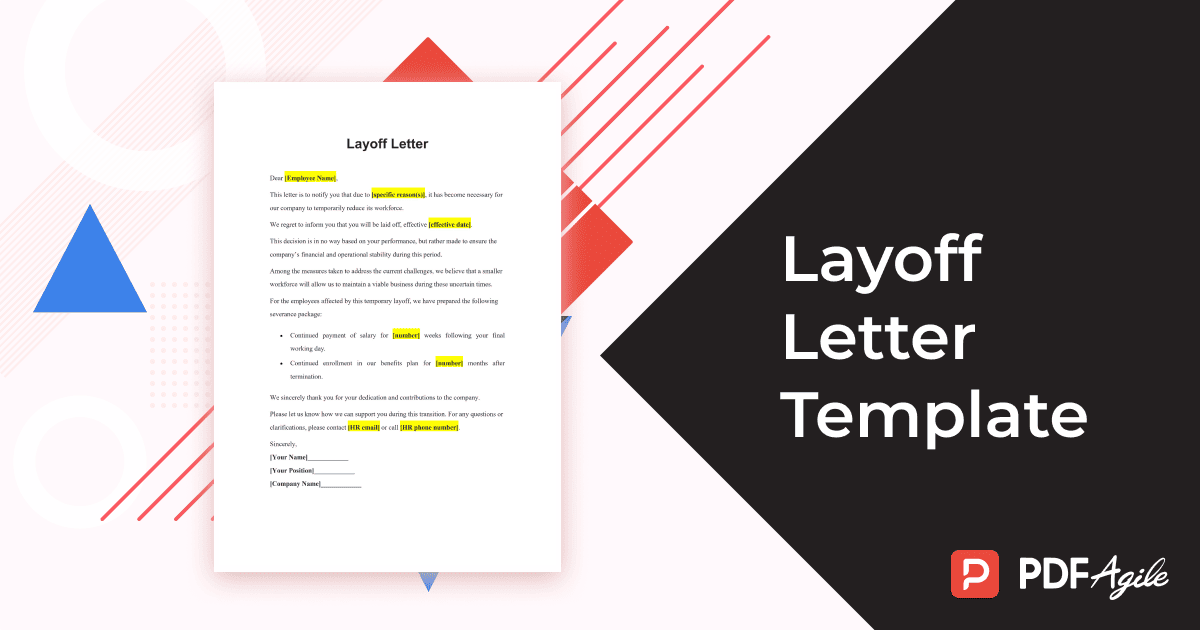



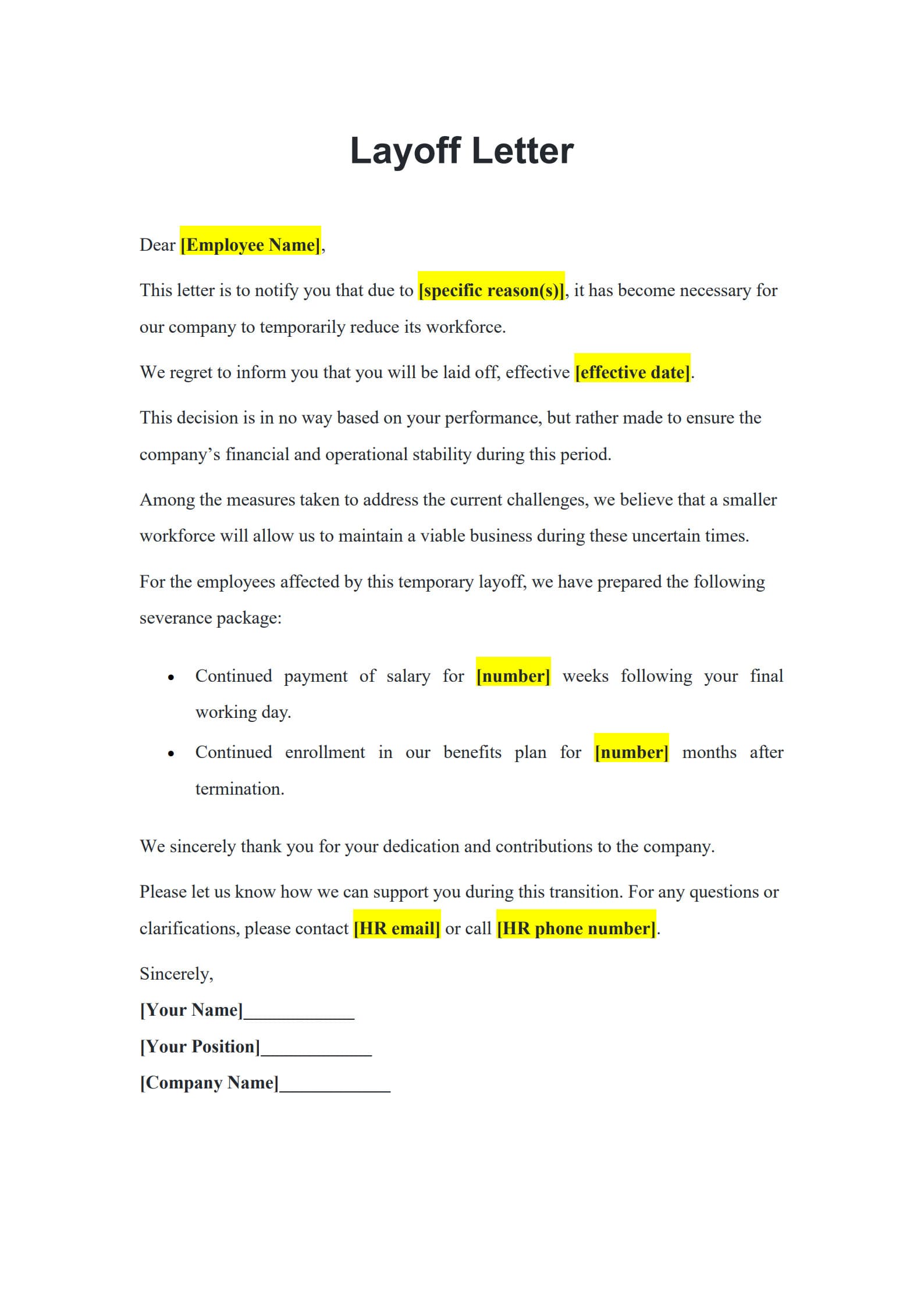
Delivering news about layoffs is one of the most challenging tasks for any employer or HR manager. A well-written layoff letter communicates the message clearly, maintains professionalism, and helps protect both the company and the employee during a sensitive transition. With ready-to-edit layoff letter template from PDF Agile, you can prepare an accurate, legally sound, and respectful retrenchment letter in just a few simple steps.
1. What is a Layoff Letter?
A layoff letter is an official document sent by an employer to inform an employee that their position is being terminated, typically due to business restructuring, downsizing, or financial constraints. Unlike a termination for cause, a layoff is not related to the employee’s performance. This letter serves as a formal record of the decision and often includes details such as the effective date, reasons for the layoff, and information about final pay or benefits.
2. Types of Layoff Letters: Temporary vs. Permanent
There are generally two kinds of layoff letters:
- Temporary Layoff Letter: Used when the employee’s position may be restored in the future, often due to short-term financial or operational issues.
- Permanent Layoff Letter: Issued when there is no expectation of reemployment, typically due to business closure, restructuring, or the elimination of the role.
Clearly defining which type applies helps employees better understand the situation and prepare accordingly.
3. What Should Be Included in a Layoff Letter?
A professional layoff letter should include the following elements:
- Employee’s full name, position, and department
- Clear statement of the layoff decision and its effective date
- Honest but concise explanation of the reason (e.g., budget cuts, reorganization)
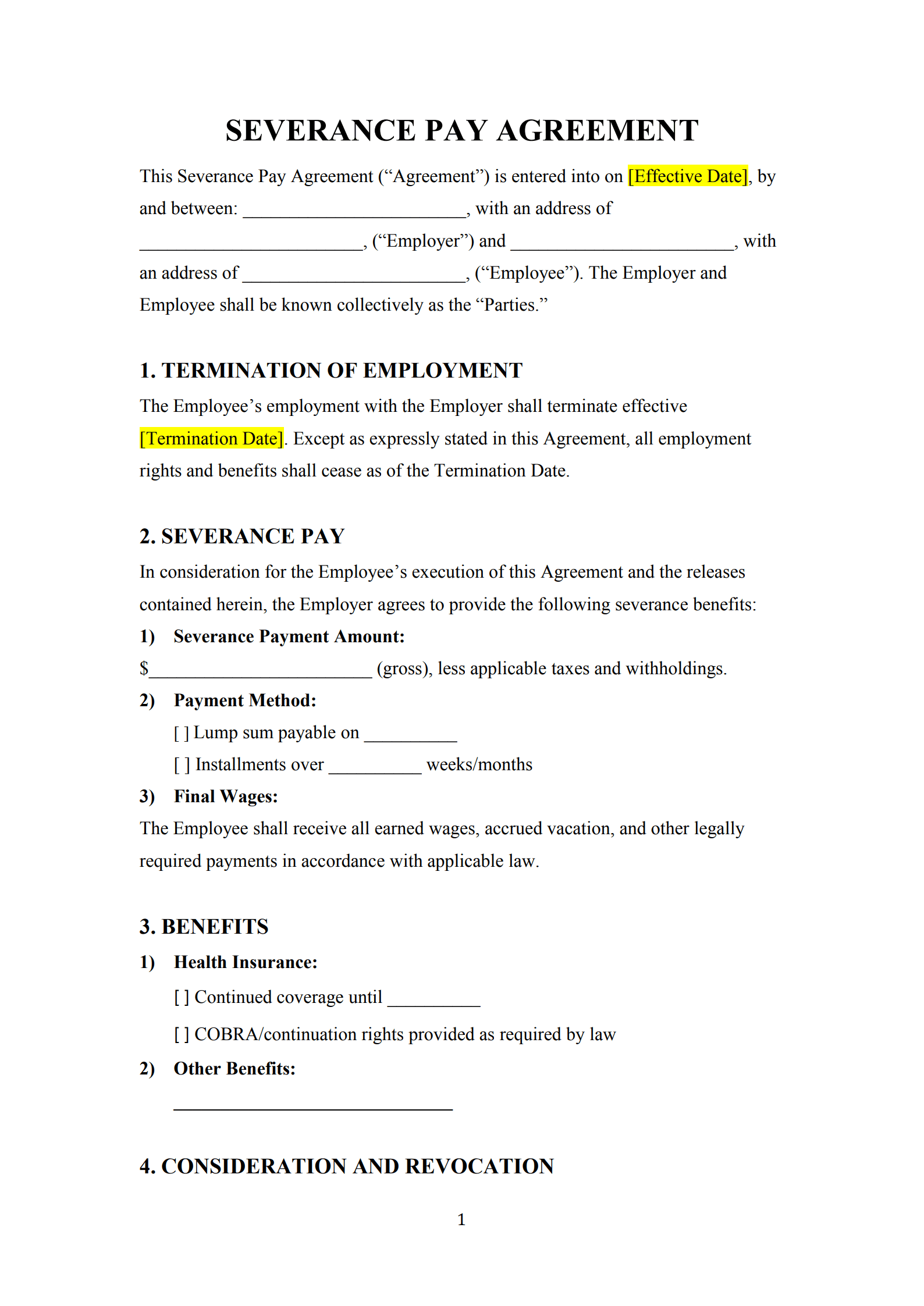
- Details on final compensation, benefits continuation, and severance package (if applicable)
- Contact information for HR or management for follow-up questions
Keeping the language direct, empathetic, and transparent helps minimize confusion and maintains respect during a difficult moment.
4. Common Mistakes to Avoid When Writing Retrenchment Letters
- Using vague language: Be transparent about the reason for the decision.
- Sounding overly emotional or defensive: Keep the tone neutral and factual.
- Omitting next steps: Always explain what the employee should expect regarding benefits or final pay.
- Neglecting to proofread: Ensure there are no errors in dates, names, or contact details.
A mistake-free letter enhances professionalism and reduces the risk of legal complications.
5. Step-by-Step Guide to Writing a Layoff Letter to Employee
Here’s how you can create a layoff letter quickly and efficiently using PDF Agile:
- Download the Layoff Letter Template from PDF Agile’s website or template library.
- Fill in Specific Employee and Company Information, such as the employee’s name, position, the reason for layoff, and effective date.
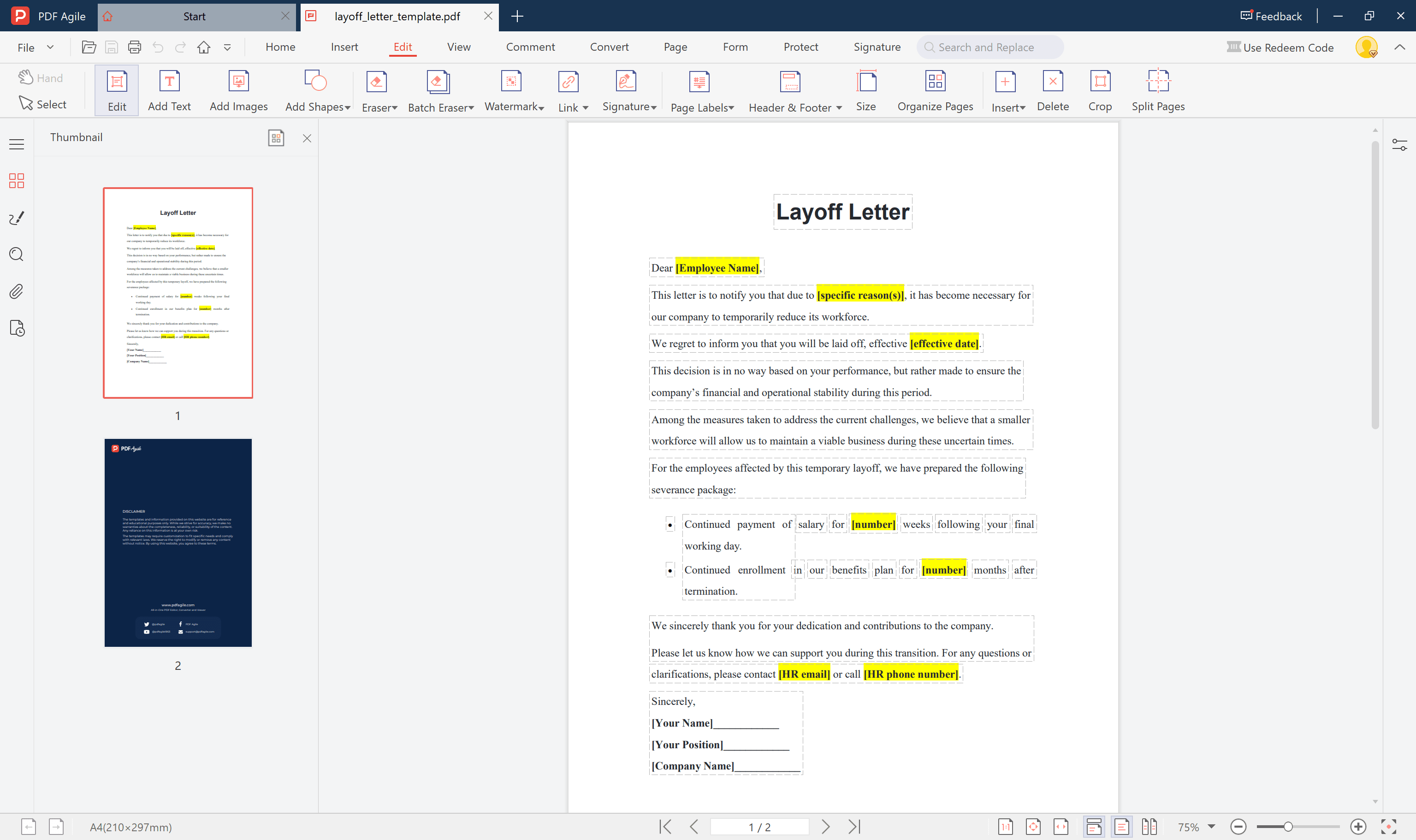
- Add Your Electronic Signature with PDF Agile’s integrated e-signature function to officially authenticate the document.
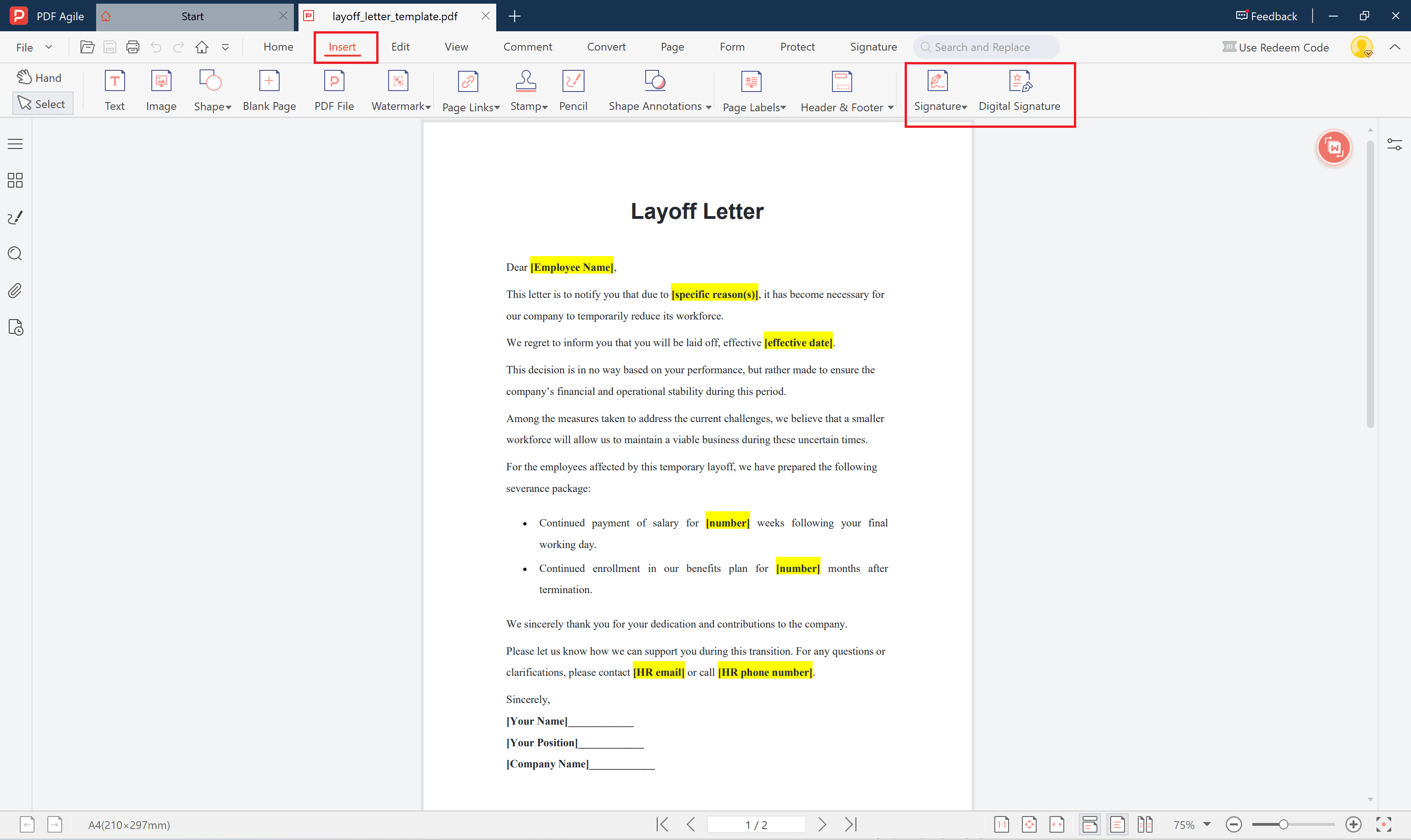
- Save, Export, and Send the completed layoff letter to the affected employee via email or secure message.
This four-step process helps you deliver sensitive information with accuracy and compassion while maintaining compliance and consistency across all communications.
6. Conclusion
A layoff letter plays a crucial role in ensuring a smooth transition for both employer and employee. By using an editable, printable template from PDF Agile, HR professionals can save time while maintaining respect and legal accuracy. Simply download, personalize, sign, and share—and provide the clarity and professionalism every employee deserves during organizational changes.