


In the world of non-profits, charities, and community fundraising, the journey of a gift does not end when the funds are deposited. In fact, for a sustainable organization, the most critical phase begins immediately after the contribution is made. The donation thank you letter is the cornerstone of donor stewardship. It is the bridge between a one-time transaction and a lifelong relationship. While the initial request for support opens the door, it is the quality and sincerity of your gratitude that determines whether that door remains open for years to come.
Many organizations make the mistake of treating the donation thank you letter as a mere administrative task—a receipt to be filed away. However, savvy fundraisers view it as a high-impact marketing and retention tool. When a donor receives a thoughtful, timely, and well-structured message, they feel seen, valued, and connected to the cause. This editorial guide explores how to transform a simple acknowledgement into a powerful narrative of gratitude, ensuring your supporters feel the weight of their impact.
Defining the Donation Thank You Letter
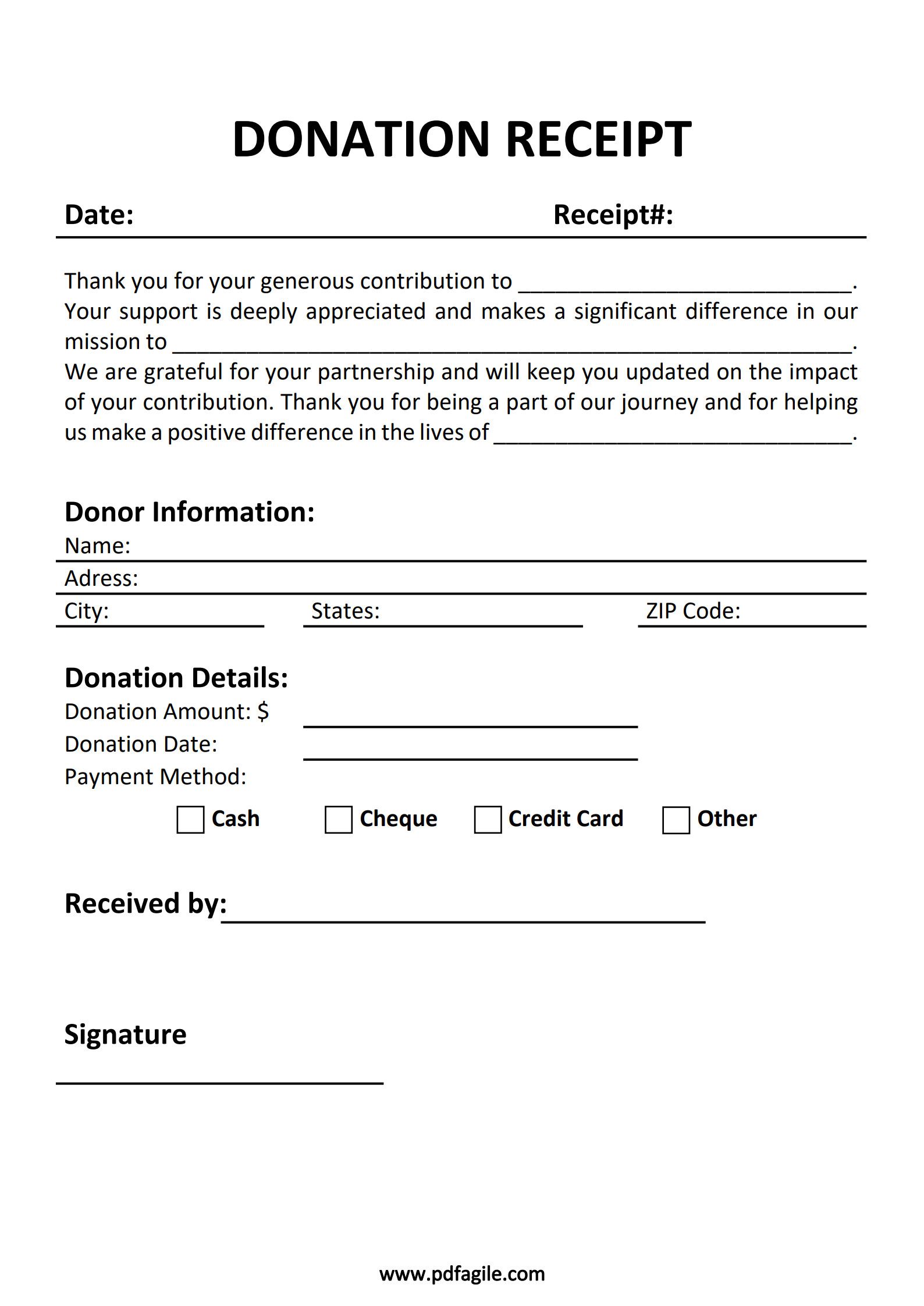
At its most basic level, a donation thank you letter is a formal acknowledgement sent by a recipient organization to a donor. It serves two primary functions: a social function and a legal one. Socially, it expresses genuine appreciation and validates the donor’s decision to support your specific mission. Legally, it often serves as a contemporaneous written acknowledgement required by tax authorities (such as the IRS in the United States) for the donor to claim a tax deduction.
However, a truly effective donation thank you letter goes beyond these basics. It acts as a report of progress. It tells the donor, "Because of you, X happened." By defining the donation thank you letter as a storytelling vehicle rather than a business receipt, you elevate your organization's professionalism. It is the first "touchpoint" in the donor retention cycle, setting the tone for all future communications and establishing the transparency and accountability of your non-profit.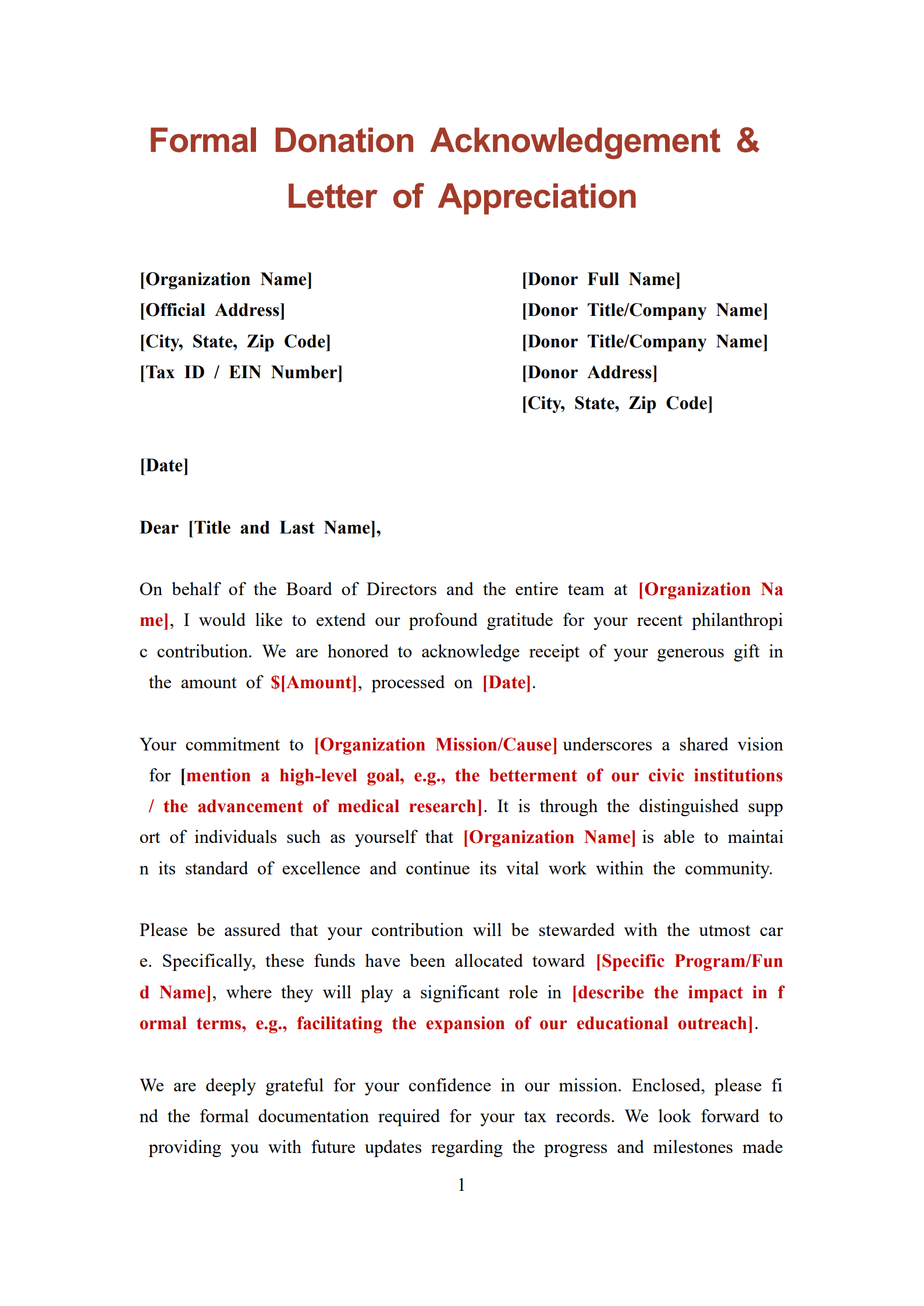
Importance of the Donation Thank You Letter
The statistics surrounding donor retention are sobering. Across the non-profit sector, a significant percentage of first-time donors never give a second time. The most common reason cited by donors for this "churn" is a lack of communication or a feeling that their gift didn't matter. This is where the donation thank you letter becomes your most valuable asset. Retaining an existing donor is significantly more cost-effective than acquiring a new one, and the "thank you" is the primary engine of that retention.
A well-crafted donation thank you letter builds trust. Donors today are more skeptical than ever; they want to know that their hard-earned money is being used wisely. By providing a prompt and professional acknowledgement, you demonstrate that your internal operations are organized and that you are a good steward of their resources. Furthermore, the donation thank you letter provides psychological "closure" to the act of giving. It reinforces the "helper's high"—the positive emotional response associated with altruism—which makes the donor more likely to repeat the behavior in the future.
Anatomy of a Donation Thank You Letter
To be successful, your gratitude must be organized. A disorganized or cluttered letter can distract from the emotional core of the message. Our template follows a proven structure that balances warmth with necessary technical information. Each component of the donation thank you letter should be intentionally designed to move the donor.
1. Header for the Donation Thank You Letter
The header should feature your organization’s official letterhead. This provides immediate brand recognition and lends the donation thank you letter an air of officiality. It should include your logo, address, and the date the letter was issued. Consistency in branding across all documents builds the professional image your donors expect.
2. Personal Opening of the Donation Thank You Letter
Avoid starting with "Dear Friend." Whenever possible, use the donor’s name. The first sentence of the donation thank you letter should be a direct and enthusiastic expression of thanks. Do not start with "On behalf of [Organization], I would like to thank you." Instead, try something more direct: "You just made something amazing happen."
3. Impact Story in the Donation Thank You Letter
This is the "meat" of the letter. Use one or two sentences to describe a specific program or person that will benefit from the gift. A donation thank you letter that says "Your $50 will help us buy 10 bags of kibble for our rescue dogs" is infinitely more moving than one that says "Your gift will go toward our general fund." Storytelling creates a vivid image in the donor's mind.
4. Tax Data in the Donation Thank You Letter
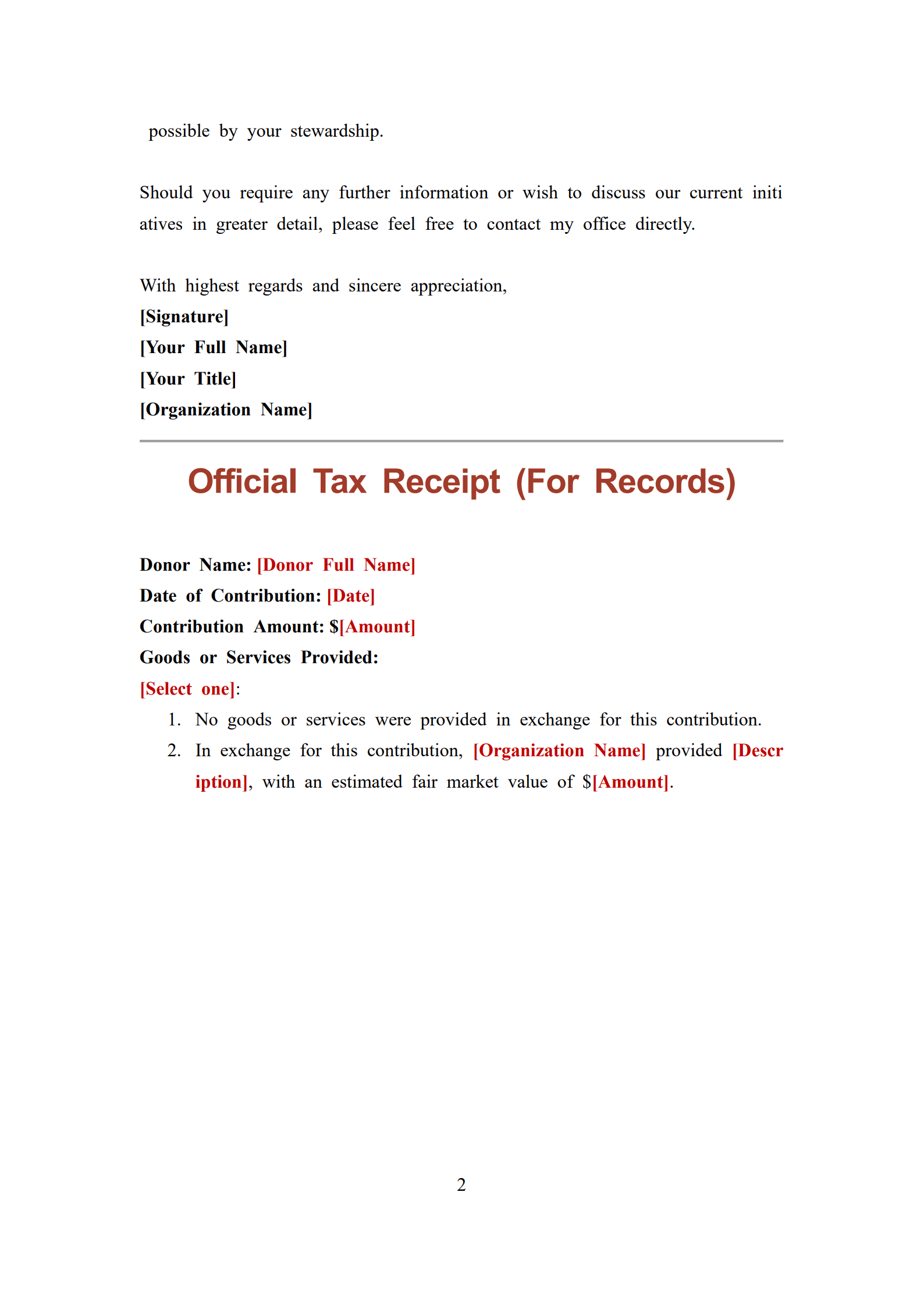
To ensure the letter serves its legal purpose, include a clear statement regarding the tax-deductible status of the gift. A standard donation thank you letter must state whether any goods or services were provided in exchange for the contribution. This section should be concise and placed toward the bottom to ensure it doesn't interrupt the emotional flow of the narrative.
Tips for Your Donation Thank You Letter
The difference between a generic note and a memorable donation thank you letter lies in the details. To truly stand out in your donor's mailbox or inbox, consider these expert tips for fine-tuning your communication strategy:
- The 48-Hour Rule: Timing is everything. Aim to send your donation thank you letter within 48 hours of receiving the gift. A thank you that arrives two weeks later feels like an afterthought; one that arrives immediately feels like a genuine reaction.
- Focus on "You," Not "Us": Count how many times you use the word "we" versus "you." A great donation thank you letter centers the donor as the hero of the story. Instead of "We fed 100 people," say "Because of your generosity, 100 people were fed today."
- Handwritten Elements: If you are a smaller organization or the gift was particularly significant, add a short, handwritten note at the bottom of the printed donation thank you letter. This personal touch is incredibly rare in the digital age and will be remembered.
- Avoid the "Ask": One of the biggest mistakes you can make is asking for another donation in the donation thank you letter. This is a time for pure gratitude. Adding a "P.S. Can you give again?" makes the thank you feel transactional and insincere.
- Include a Photo: If sending via email or a large-format letter, a photo of the project in action can significantly boost the impact of your donation thank you letter. Seeing a smiling face or a completed building provides visual proof of the donor’s contribution.
Get Your Donation Thank You Letter Template
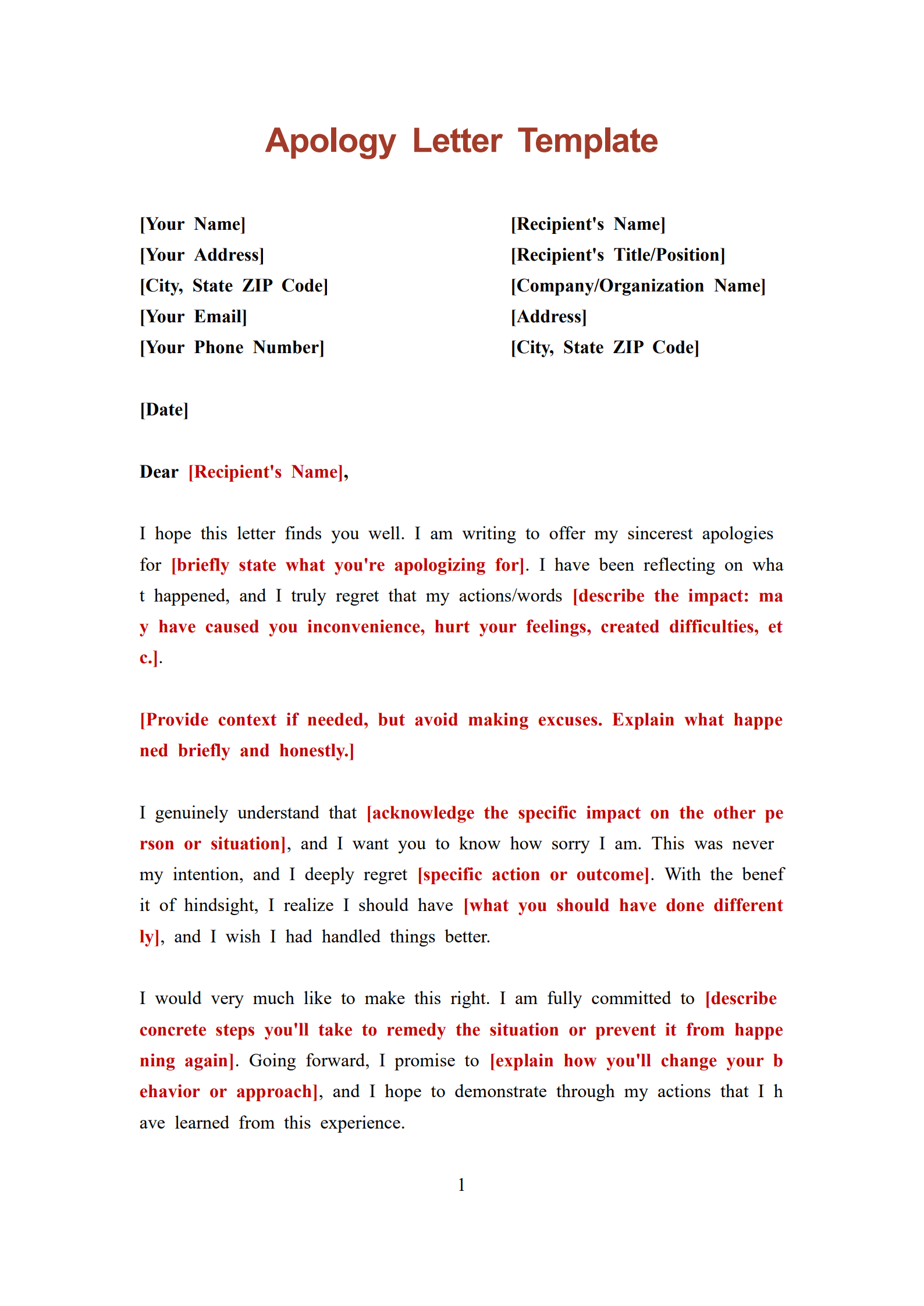
Ready to start building deeper relationships with your supporters? You don't have to spend hours agonizing over the perfect wording. We have developed a comprehensive, professionally designed template that ensures you include all the necessary tax information while leaving plenty of room for your unique impact stories.
By using our structured format, you can streamline your administrative process and spend more time focused on your mission. Our template is optimized for clarity, warmth, and professional appeal. Click the "Use Template" button on the page now to access our Donation Thank You Letter framework and begin showing your donors the appreciation they deserve.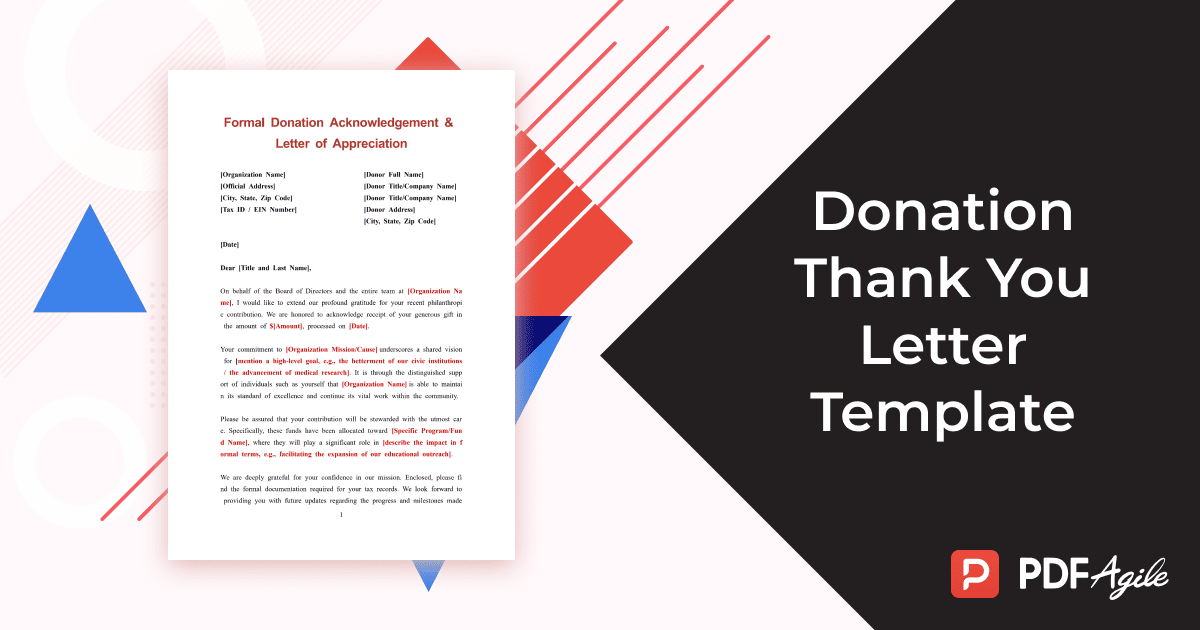
Donation Thank You Letter FAQs
Q: Should a donation thank you letter be sent via email or physical mail?
A: Both are acceptable, but physical mail often has a higher perceived value. An email donation thank you letter is great for immediate acknowledgement, but a physical letter is something a donor can hold and feel, making it more likely to leave a lasting impression.
Q: Who should sign the donation thank you letter?
A: Ideally, the highest-ranking official in the organization, such as the Executive Director or the Board President. For very large donors, a donation thank you letter signed by a direct beneficiary of the program can also be incredibly powerful.
Q: Is it necessary to mention the exact amount in every donation thank you letter?
A: Yes, for tax purposes, the donor needs a record of the exact amount given. It also serves as a confirmation that your records match theirs, preventing any accounting confusion later on.
Q: Should I include social media links in my donation thank you letter?
A: Yes. Encouraging donors to follow your progress on social media is a great way to keep them engaged between the donation thank you letter and your next formal update. It transitions them into your community.
Q: Can I use the same donation thank you letter for every donor?
A: While you can use the same basic template, you should try to customize the content based on the donor's history. A donation thank you letter for a first-time donor should feel different from one sent to someone who has been giving for ten years.
Perfecting Your Donation Thank You Letter
The act of saying "thank you" is simple, but the art of doing it well is what separates thriving non-profits from those that struggle to maintain support. Your donation thank you letter is the ultimate expression of your organization's character. It shows that you are not just a group seeking funds, but a community of people who value the individuals who make your work possible.
By utilizing our template and following the strategies outlined in this guide, you are doing more than just sending mail; you are building a foundation of trust and partnership. Every donation thank you letter you send is an investment in the future of your organization. Take the time to make it personal, make it impactful, and make it sincere. Your donors are the lifeblood of your mission—ensure they know exactly how much they mean to you.