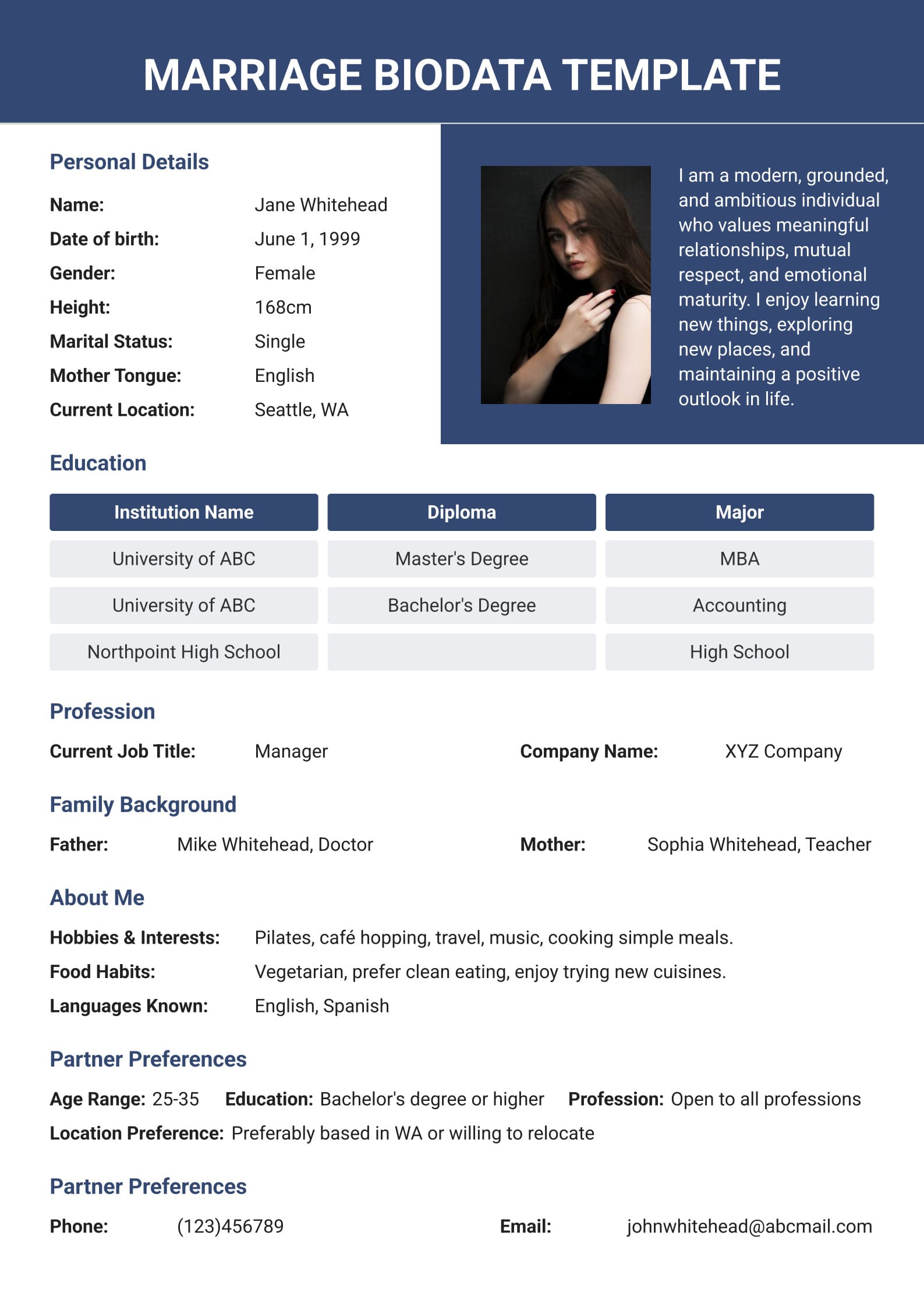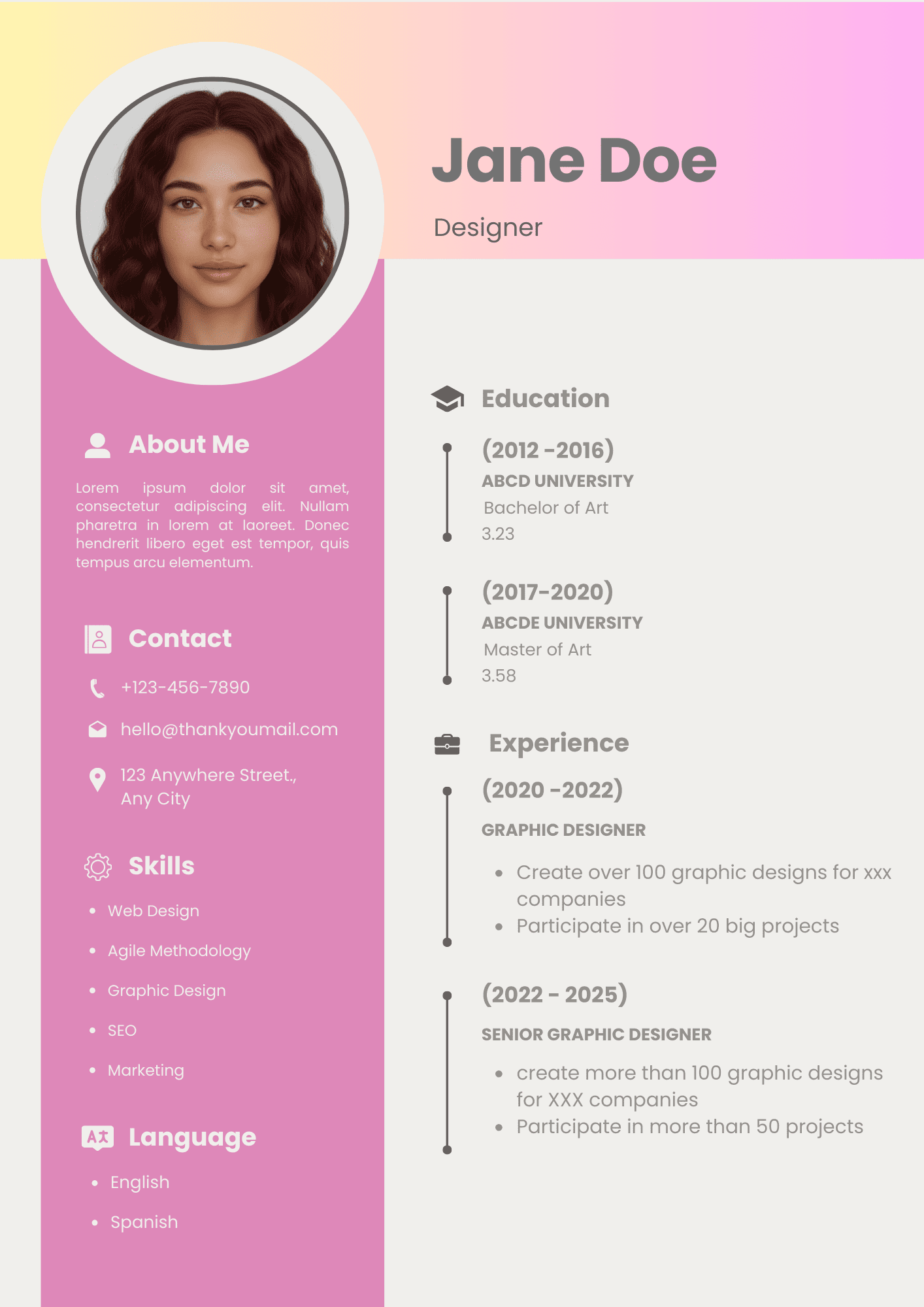



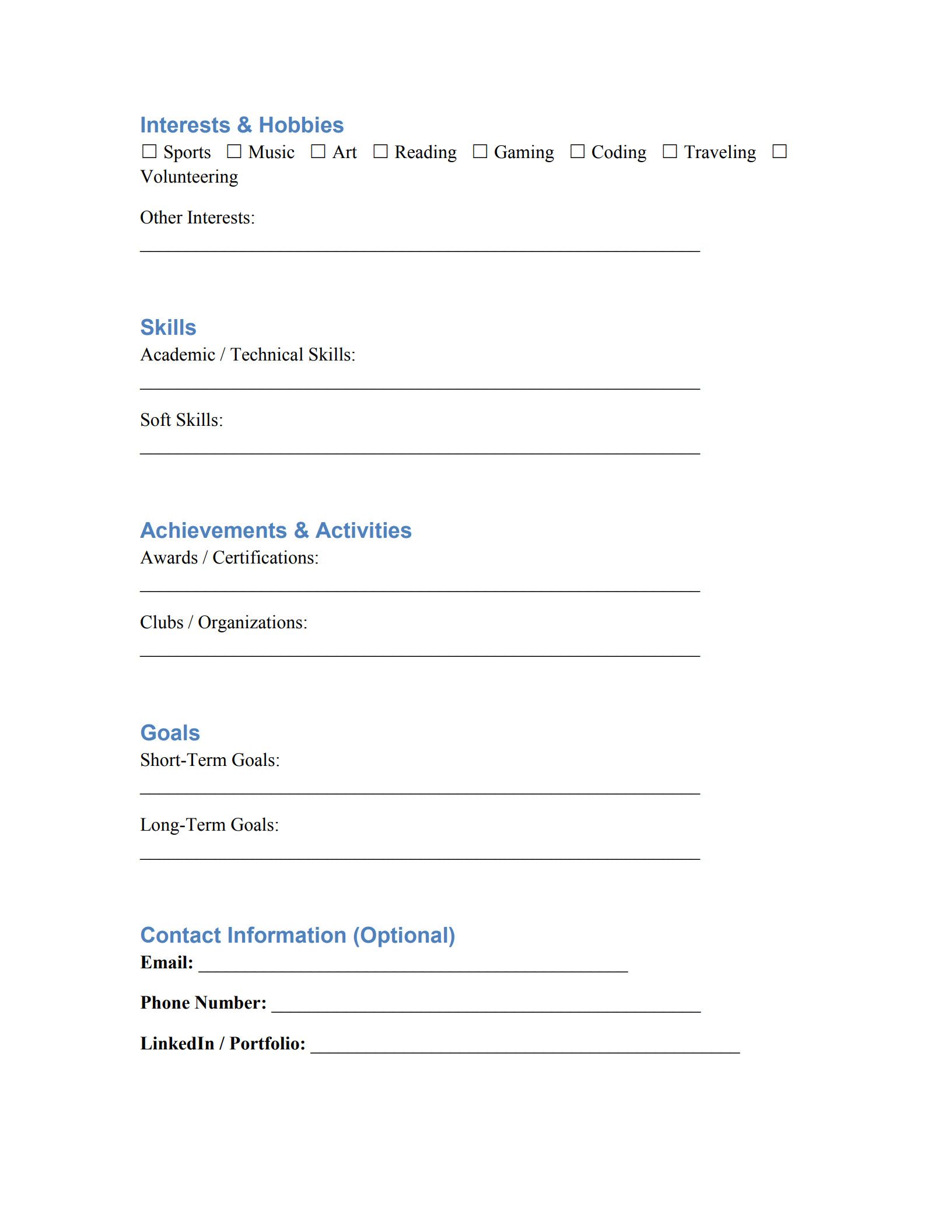
Whether you are applying for a scholarship, an internship, or a specialized school program, having a professional document to represent yourself is crucial. For students, this document is often a biodata.
In this guide, we will break down the essential components of a biodata format for students, provide editable templates, and show you how to stand out from the crowd.
1. What is Student Bio Data?
Student biodata (biographical data) is a formal document that outlines a student’s personal details, educational background, skills, and interests. While it is similar to a resume, a biodata is typically more focused on personal history and basic qualifications.
For students, it serves as a "quick-view" profile for school administrators, mentors, or internship coordinators to understand who you are beyond just your grades.
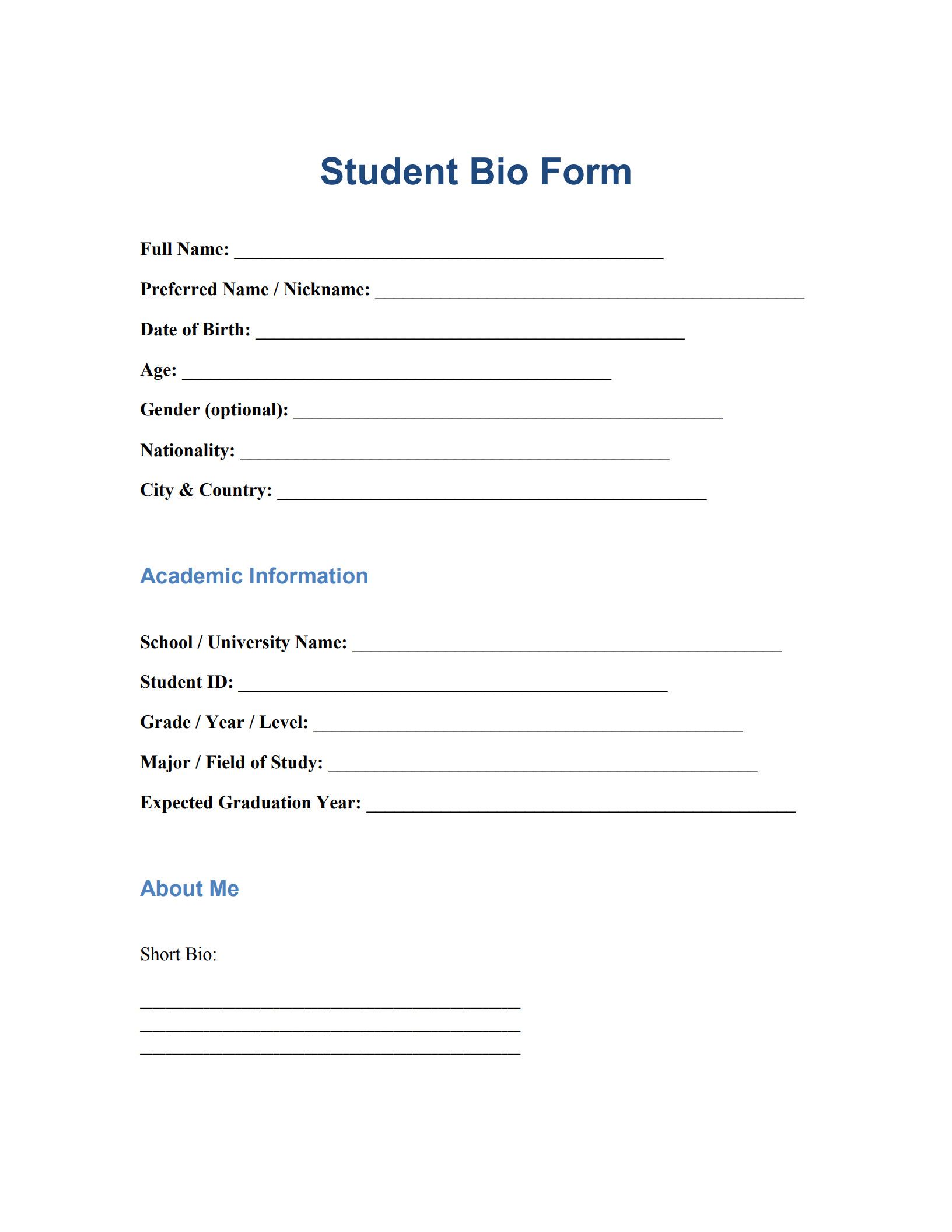
2. What to Include in the Bio Data Format for Students?
To make your biodata effective, you need to balance personal information with academic achievements. Here are the key sections every student should include:
- Personal Information: Full name, date of birth, gender, and nationality.
- Contact Details: A professional email address, phone number, and current address.
- Objective: A short sentence describing your current goal (e.g., "Seeking a summer internship in graphic design").
- Educational History: List your schools, years attended, and any notable GPAs or percentages.
- Skills & Strengths: Include both hard skills (e.g., Python, video editing) and soft skills (e.g., leadership, public speaking).
- Achievements & Awards: Honor rolls, sports trophies, or science fair wins.
- Hobbies & Interests: Things that show your personality, like playing an instrument or volunteering.
3. How to Write Bio Data for Students (with Templates)
Writing your biodata doesn't have to be complicated. Follow these steps to build yours:
Step 1: Choose a Clean Layout
A clean layout ensures that the reader can find information quickly. Avoid using too many colors or distracting fonts.
Step 2: Fill in the Sections
Start with your most recent accomplishments first (reverse chronological order).
Template: Basic Academic Bio Data
Name: [Your Full Name]
Objective: Highly motivated high school senior aiming to pursue a Bachelor’s in environmental science.
Academic Background: > * High School: [School Name], Class of 2024 (GPA: 3.8/4.0)
- Certifications: Microsoft Office Specialist, Basic First Aid
Key Skills: > * Technical: Data Entry, Research, Canva
- Interpersonal: Team Collaboration, Time Management
Extracurriculars: > * Captain of the Debate Team (2023)
- Volunteer at City Animal Shelter (50+ hours)
4. Tips on Writing Good Biodata for Students
To make your document truly "killer," keep these tips in mind:
- Keep it Concise: For students, a single page is usually enough. Don’t fill it with fluff.
- Use a Professional Photo: If the format requires a photo, use a high-quality headshot with a neutral background and a professional smile.
- Proofread Carefully: A single typo can make you look disorganized. Use tools like PDFAgile to convert your document to PDF and check for formatting errors.
- Quantify Achievements: Instead of saying "I am a good student," say "Ranked in the top 5% of the class."
- Tailor It: If you are applying for a sports scholarship, highlight your athletic awards. If it's for a coding club, highlight your tech skills.
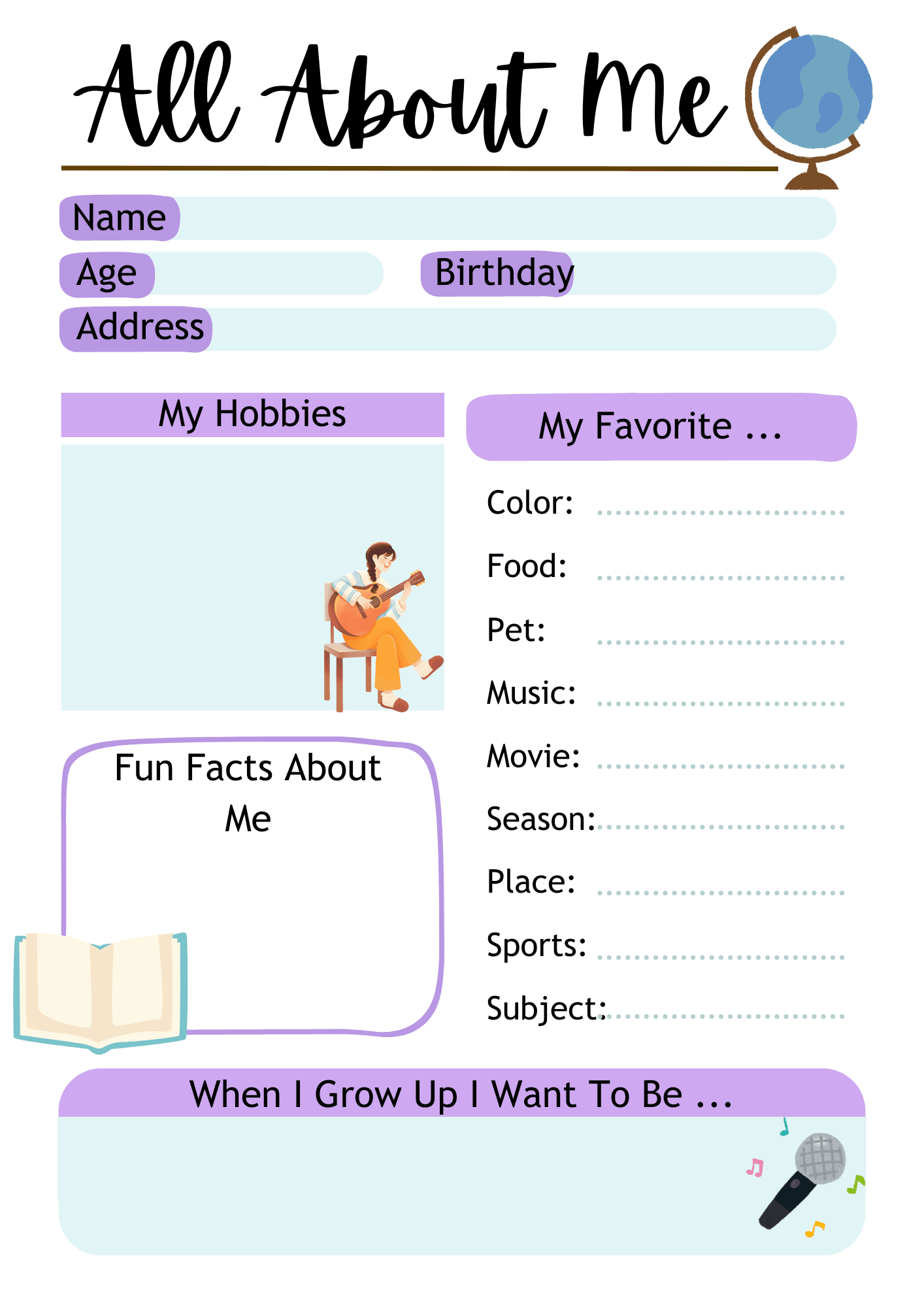
Free Download: Printable Student Biodata Template
Download your free template today and fill your information in this biodata format for students. 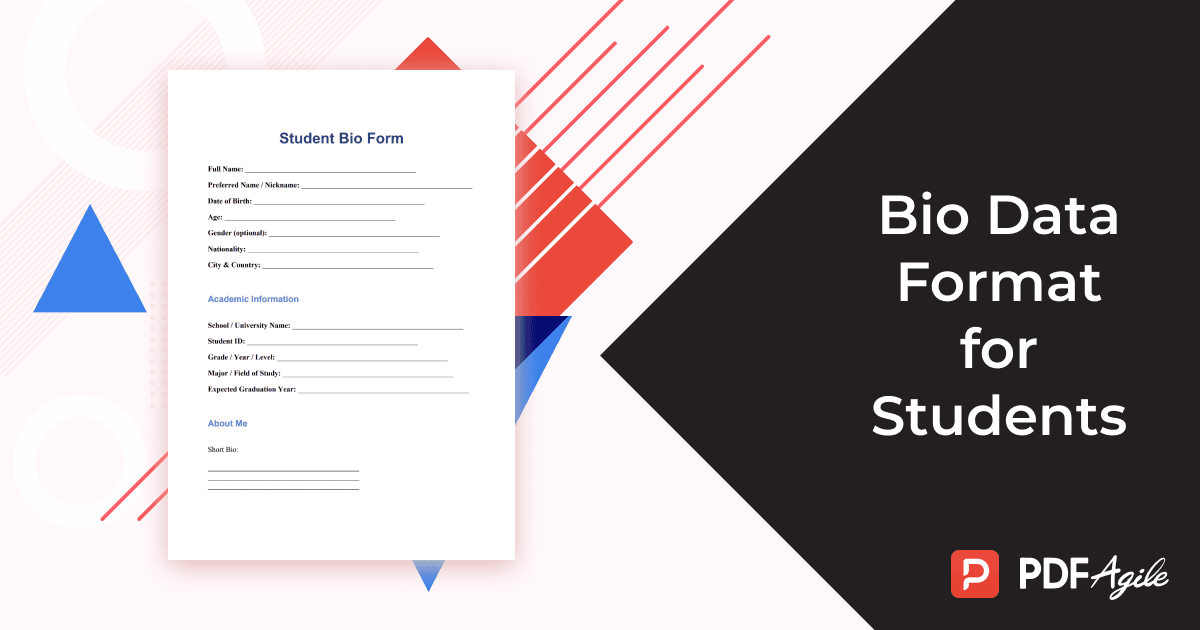
5. FAQs about Bio Data Format for Students
5.1 What file format is best for biodata?
PDF is the gold standard. Unlike Word documents, a PDF preserves your formatting regardless of what device or software the recipient is using. You can use PDFAgile to easily edit and save your biodata in a polished PDF format.
5.2 Is biodata the same as a resume for students?
Not exactly. A resume is a professional document focused on work experience and specific job skills. Biodata is more comprehensive regarding personal details (like age or hobbies) and is common in academic or traditional settings.
5.3 What are common biodata mistakes for students?
- Using an unprofessional email: Avoid addresses like coolgamer123@email.com. Use a variation of your name.
- Including too much personal info: While bio data includes some personal info, you don't need to list your religion or family history unless specifically asked.
- Outdated information: Always update your latest grades or recently completed projects.
5.4 How to write good academic biodata?
Focus on your educational trajectory. Highlight specific subjects you excel in, any research projects you've participated in, and your future academic goals. Use formal language and ensure the layout is easy to scan.