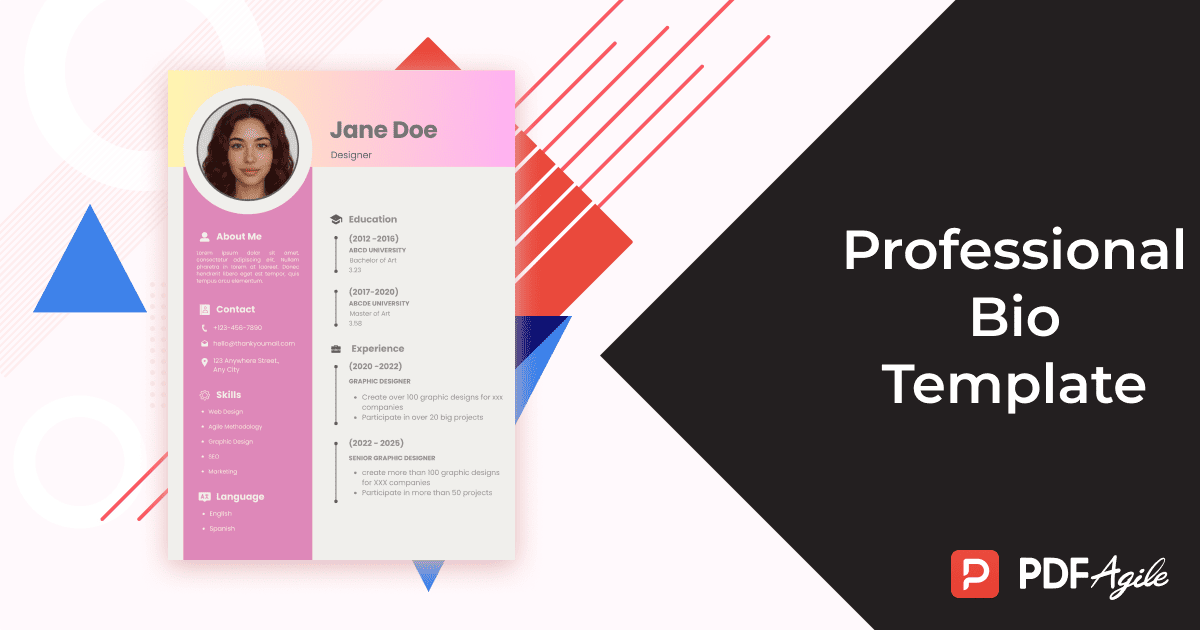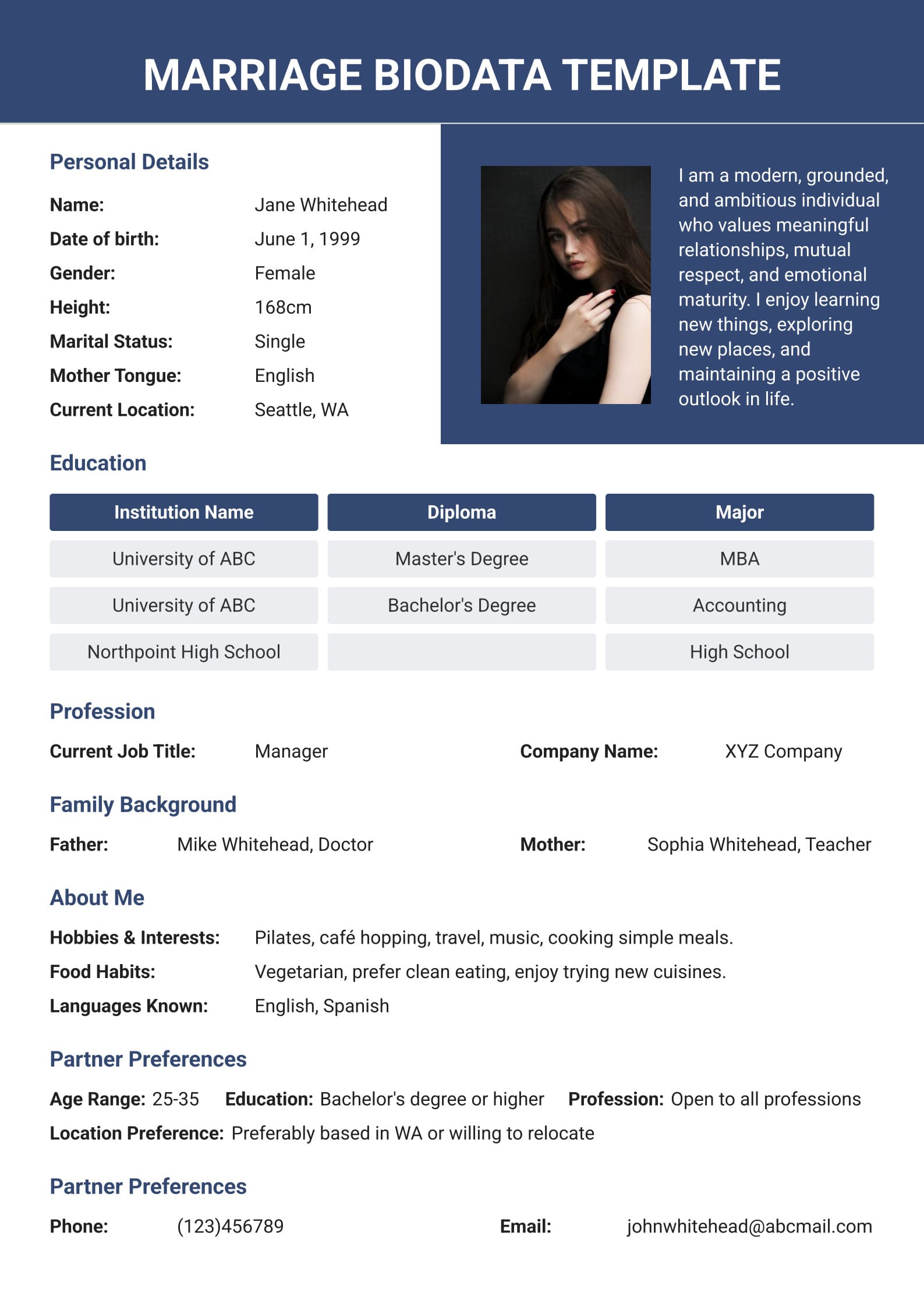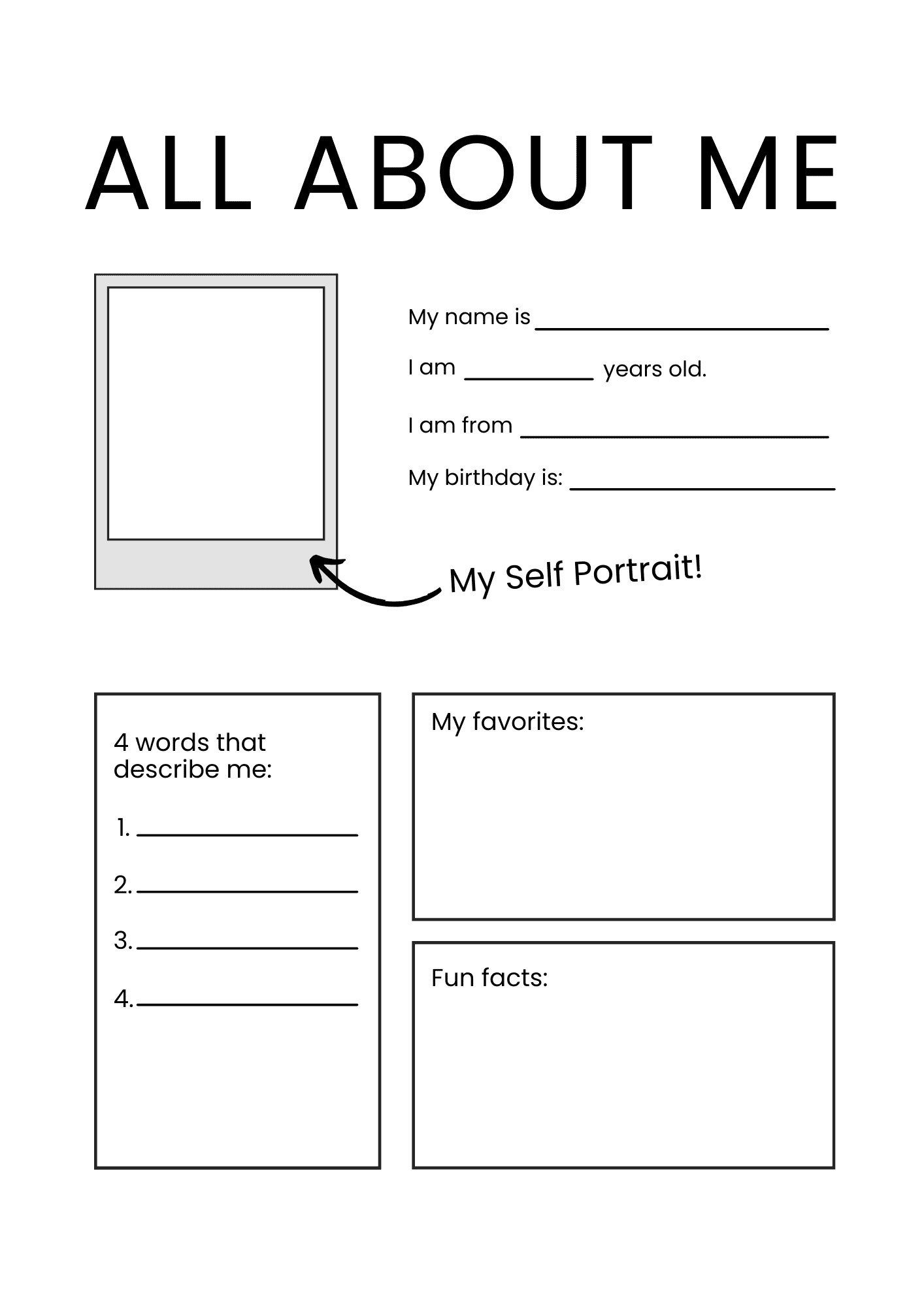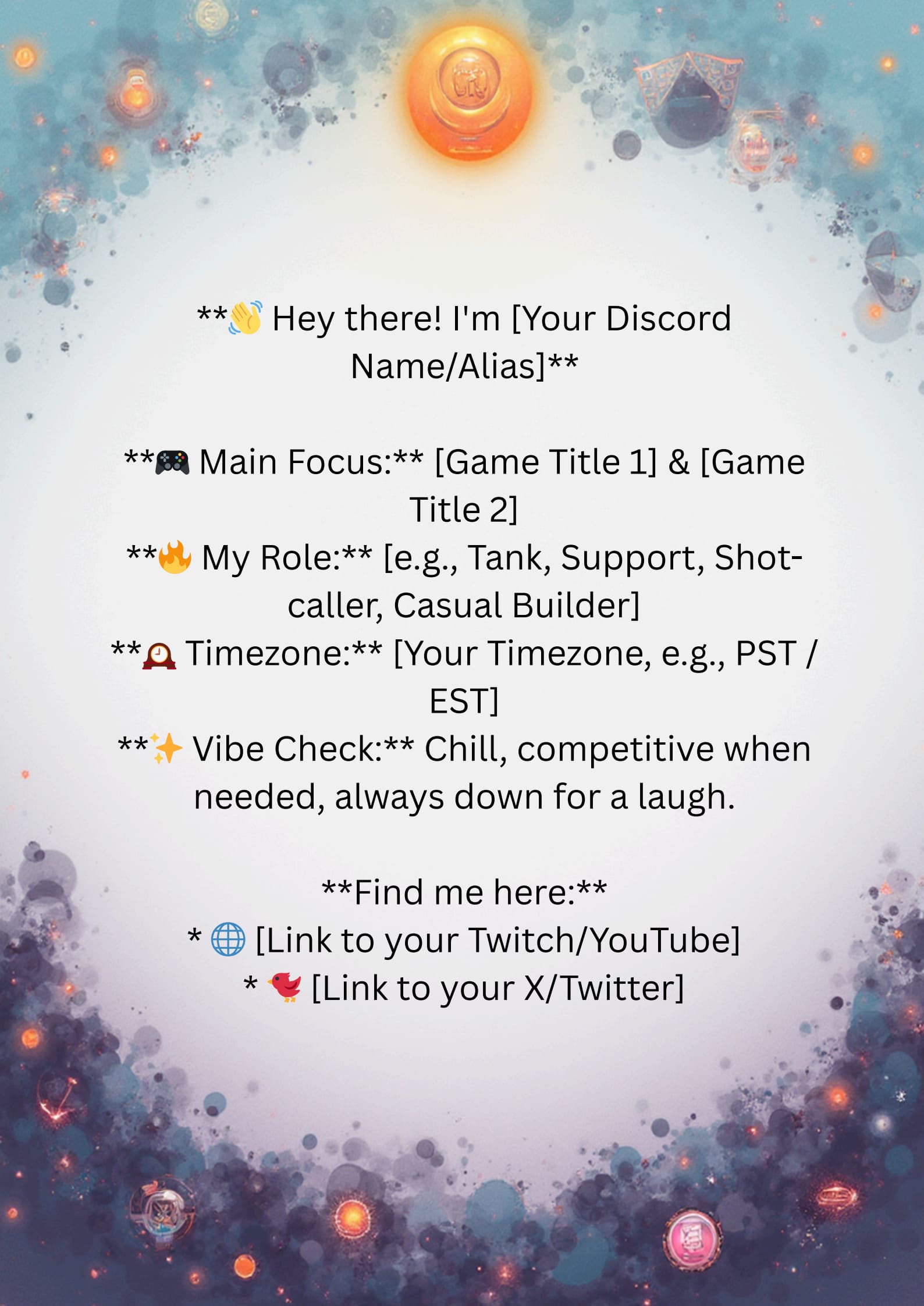



In the modern professional landscape, your bio is often the first "meeting" you have with a potential client, employer, or partner. Whether it’s on LinkedIn, a company website, or a speaking engagement program, your bio acts as your digital handshake.
At PDFAgile, we know that professional agility starts with a clear personal brand. If you can’t describe who you are and what you do effectively, you risk being overlooked. In this guide, we provide the templates and tips you need to craft a bio that opens doors.
1. Why Are Good Bios Important for Work?
A professional bio is much more than a summary of your resume; it is a tool for authority and trust.
- Establish Credibility: A well-written bio proves you have the experience you claim to have.
- Humanize Your Brand: It bridges the gap between a cold list of skills and a real person people want to work with.
- Control the Narrative: It allows you to highlight the specific achievements that align with your current career goals.
- Searchability: Professionally written bios are SEO-friendly, making it easier for recruiters to find you on platforms like LinkedIn.
2. What to Include in a Professional Bio?
A high-impact bio follows a specific "anatomy." To make yours stand out, ensure you include these five elements:
- The Hook: Your name and your current professional title.
- The "So What?": Your primary area of expertise and the value you bring to the table.
- The Evidence: One or two standout achievements (e.g., "Led a team that increased revenue by 20%").
- The Human Element: A brief mention of a personal interest or hobby to make you relatable.
- The Call to Action (CTA): How people can reach you or where they can see your work.
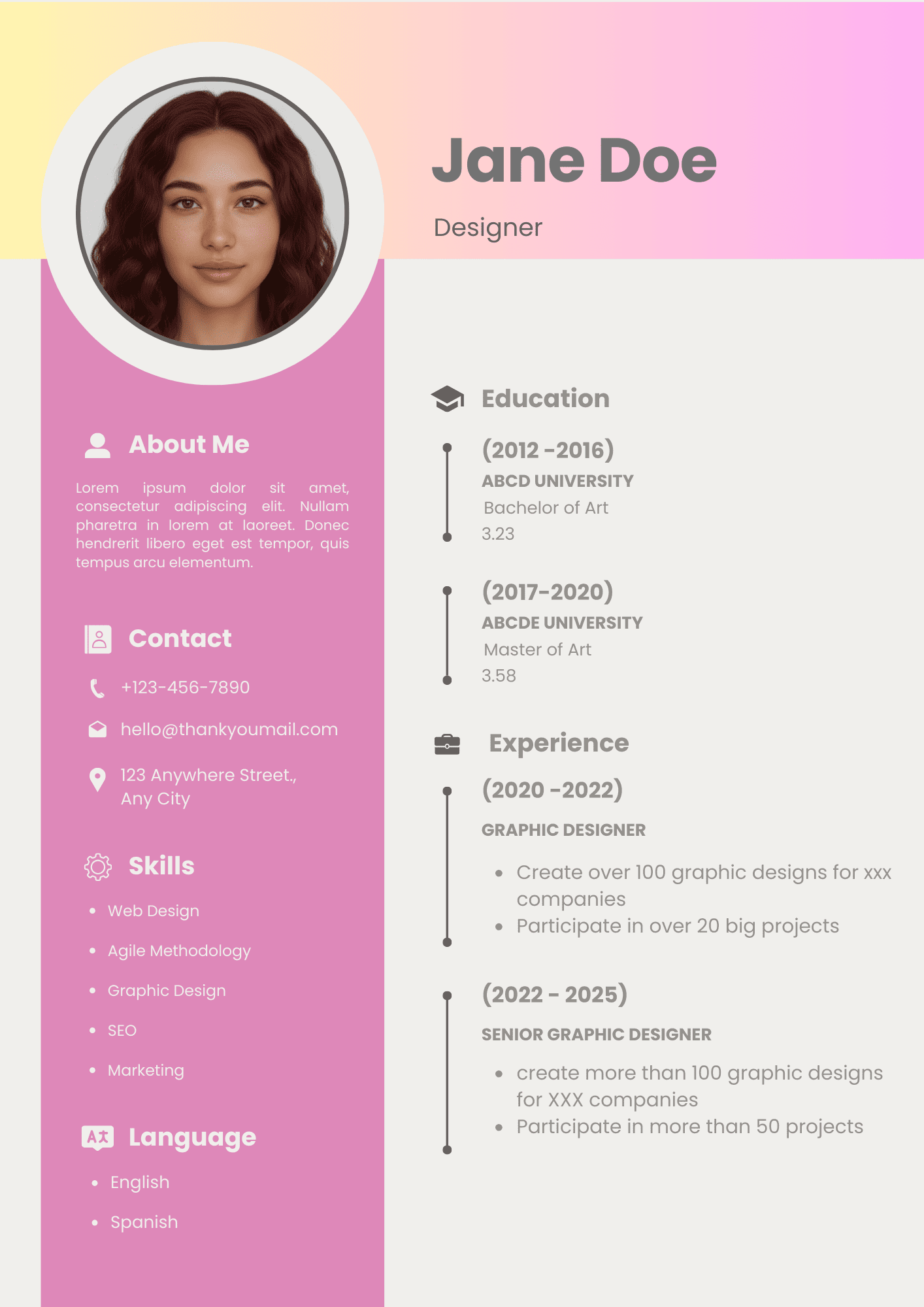
3. Customize Your Own Bio with Our Professional Bio Templates
Depending on where you are posting, you will need different lengths. Here are three templates you can use:
Template A: The Short & Punchy (Social Media/Sidebar)
[Name] is a [Title] specializing in [Core Skill]. With over [Number] years of experience, they have helped [Target Audience] achieve [Key Result]. When not [Work Task], you can find them [Hobby].
Template B: The Medium (Speaker Bio/About Us Page)
[Name] is a [Title] known for [Unique Skill or Approach]. Throughout their career at [Current/Past Company], they have focused on [Primary Goal], notably leading the [Specific Project] to success. [Name] holds a degree in [Subject] from [University] and is passionate about [Industry Trend]. Outside of the office, they are an avid [Hobby].
Template C: The Executive (Portfolio/Website)
Use this for a deep dive into your philosophy, legacy, and long-term impact. Combine your current role, your "why," and your vision for the industry.
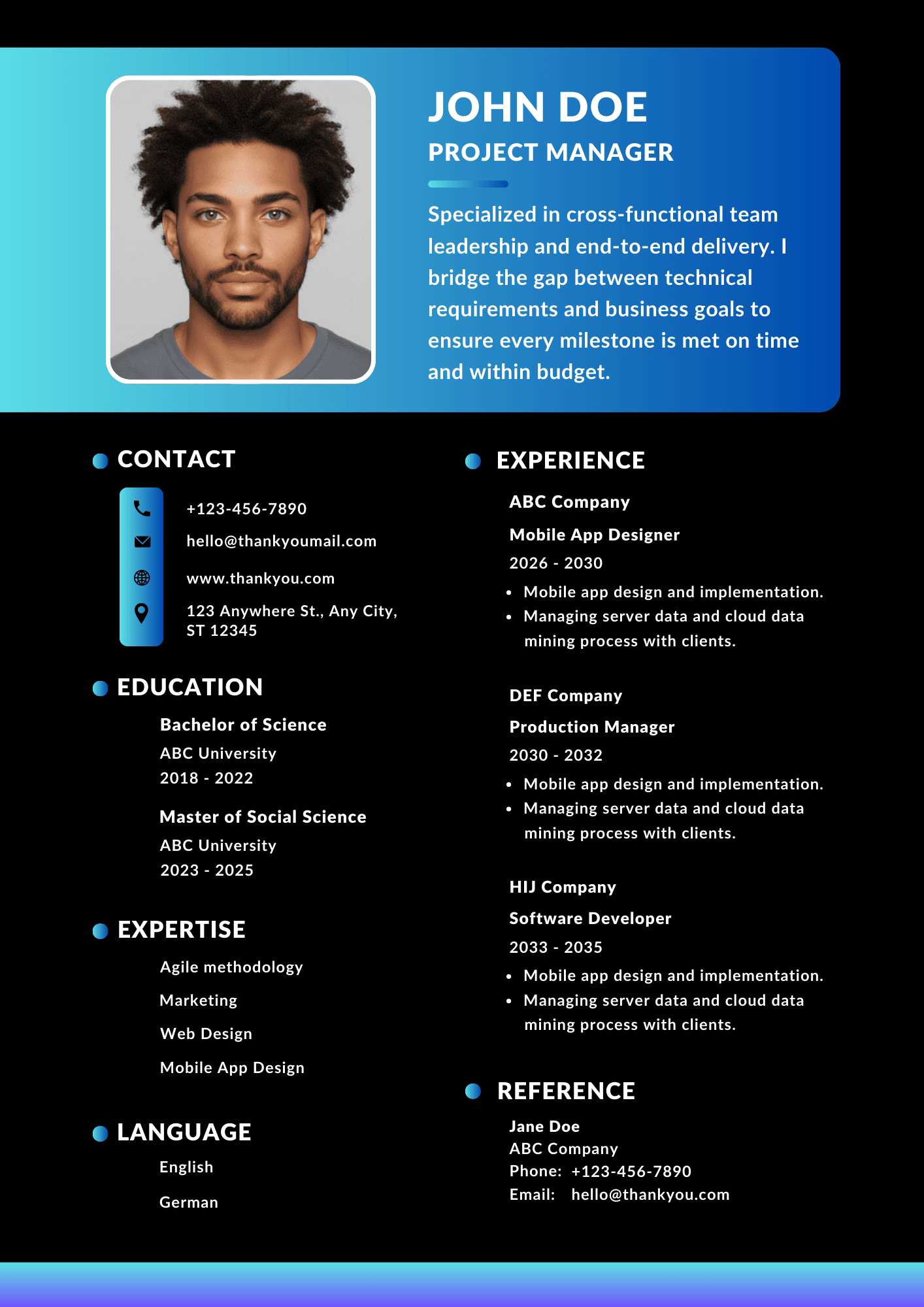
4. Tips to Make Your Bio Look Professional and Stand Out
- Write in the Third Person: Unless the platform is very casual, using "He/She/They" instead of "I" creates a more objective, authoritative tone.
- Show, Don't Just Tell: Instead of saying you are a "hard worker," say you "delivered 15 high-stakes projects on time and under budget."
- Keep it "Agile": Update your bio at least twice a year. Your bio should reflect where you are going, not just where you have been.
- Format for Readability: Use bullet points for achievements if the platform allows it.
5. FAQs about Professional Bio Templates
5.1 What is a 3-line bio?
A 3-line bio is a condensed version of your professional story, usually used for Twitter (X) or email signatures.
- Line 1: Who you are (Title + Company).
- Line 2: What you’ve done (Major achievement or niche).
- Line 3: A personal touch or CTA.
5.2 What are 2025 resume buzzwords to avoid?
In 2025, recruiters are looking for authenticity over generic "corporate-speak." Avoid these tired terms:
- "Passionate" (Show it through your results instead).
- "Synergy" (Use "collaboration" or "integration").
- "Think outside the box" (Use "innovative problem solver").
- "Motivated self-starter" (This is assumed; prove it with an example of a project you initiated).
5.3 What is a professional summary for a bio?
A professional summary is the opening sentence or paragraph of your bio. It acts as an "elevator pitch" that tells the reader exactly why they should keep reading. It focuses on your current value rather than your history.
5.4 What to avoid when writing a bio?
- TMI (Too Much Information): Keep personal details brief. Your bio is not an autobiography.
- Outdated Information: Don't mention awards from ten years ago if you have more recent successes.
- Inappropriate Humor: Unless you are in a highly creative or comedy-based field, keep the jokes to a minimum to maintain authority.
Summary: Stay Agile with Your Professional Identity
Your professional bio is a living document. As you gain new skills and reach new milestones, your bio should evolve. To keep your various versions (Short, Medium, and Long) organized, we recommend saving them as a single, easily editable PDF.
At PDFAgile, we help you manage your professional documents—from resumes to bio sheets—with the speed and precision you need to stay ahead.