


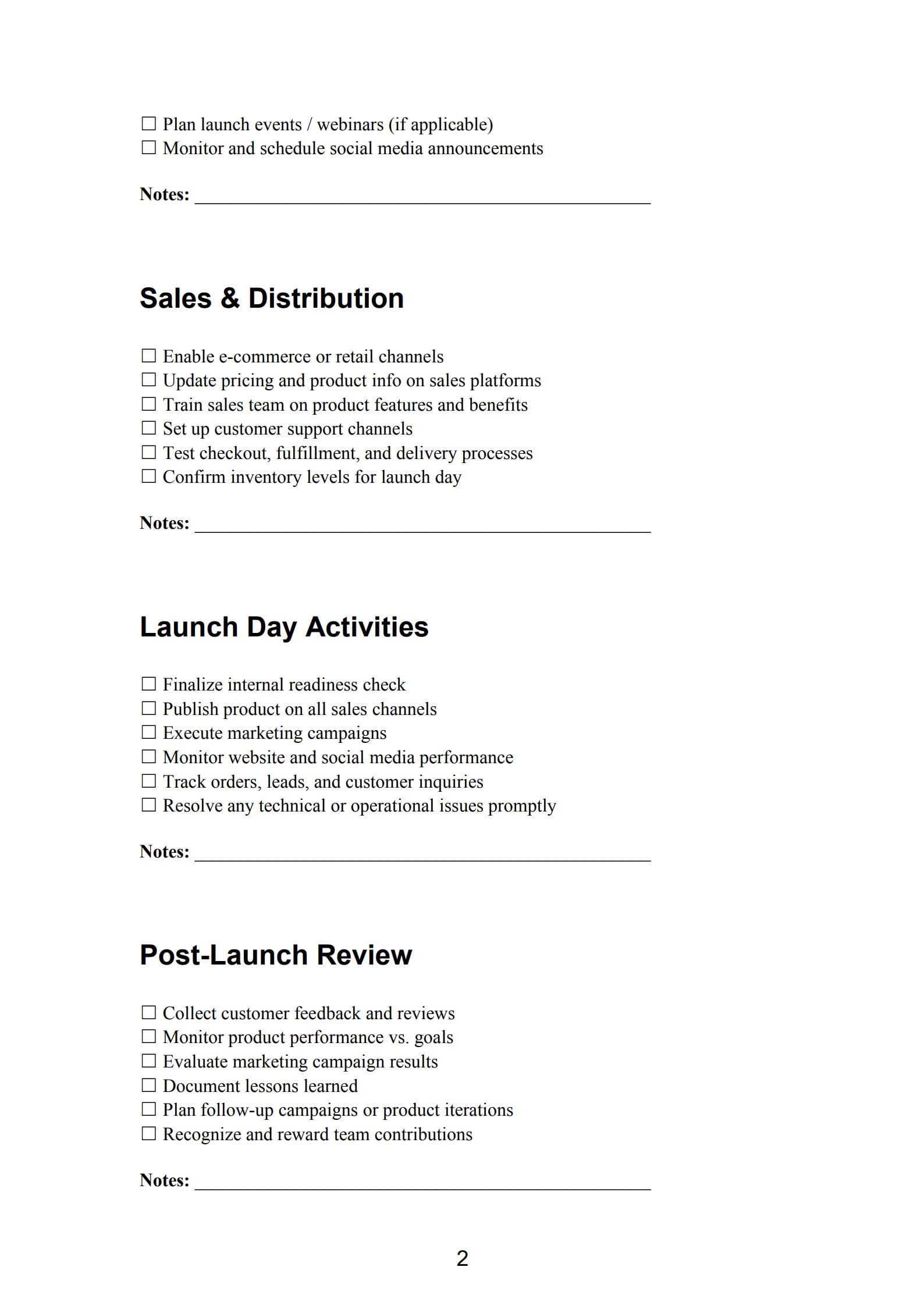
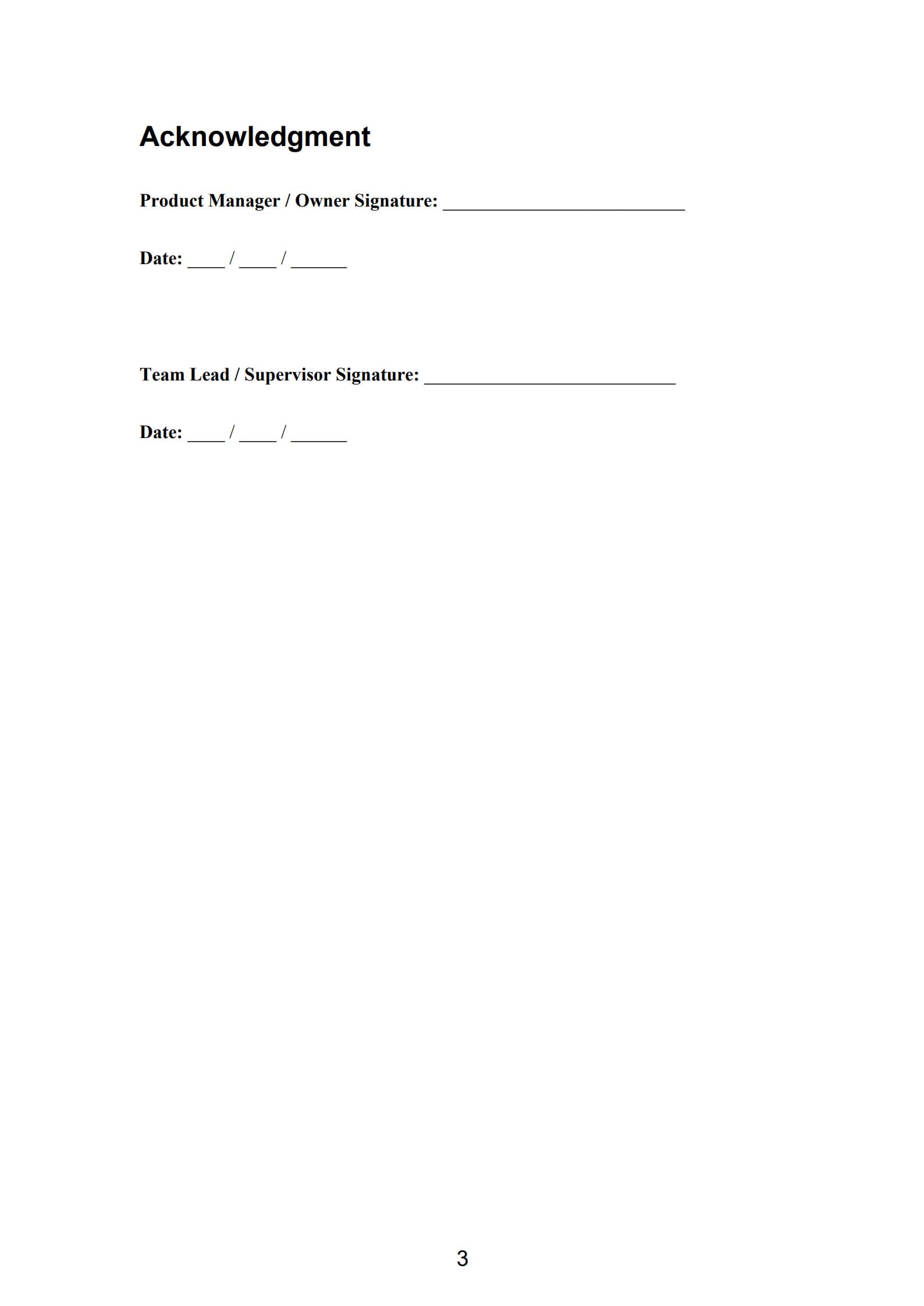
Bringing a new product to market is one of the most exhilarating—and stressful—responsibilities of a Product Manager. Whether you are launching a feature update or an entirely new platform, the difference between a "quiet drop" and a "market-disrupting success" often comes down to preparation.
In this guide, we provide a comprehensive product launch checklist designed to help PMs stay organized, align cross-functional teams, and ensure every detail is accounted for before the "Go" button is pressed.
1. What is a Product Launch?
A product launch is the coordinated effort of an entire company to bring a new product or service to a specific market. It isn’t just a single event or a "release date"; it is a strategic process that involves making the product available for purchase, building brand awareness, and ensuring customers can successfully use the product from day one.
2. What Does a Successful Product Launch Mean to You?
Success looks different depending on your product’s lifecycle and your company’s goals. Before you start checking boxes, define your North Star Metric for the launch. Does success mean:
- User Adoption: Reaching a specific number of sign-ups within 30 days?
- Revenue: Achieving a pre-set sales target?
- Market Awareness: Securing a certain number of media mentions or social shares?
- Technical Stability: Zero critical bugs reported in the first week?
3. What to Include in a Product Launch Checklist
A robust checklist should bridge the gap between product development and marketing. Here are the core categories:
| Category | Key Deliverables |
| Product & Tech | QA testing, final bug scrubs, and server load capacity. |
| Marketing | Social media plan, email drip campaigns, and press releases. |
| Sales & Support | Internal training, FAQ documents, and updated pricing sheets. |
| Legal/Compliance | Updated Terms of Service, Privacy Policies, and patent filings. |
4. The Key Steps to Write a New Product Launch Checklist
Creating your checklist requires a chronological approach. Break it down into these four phases:
Phase 1: Strategic Alignment (8–12 Weeks Out)
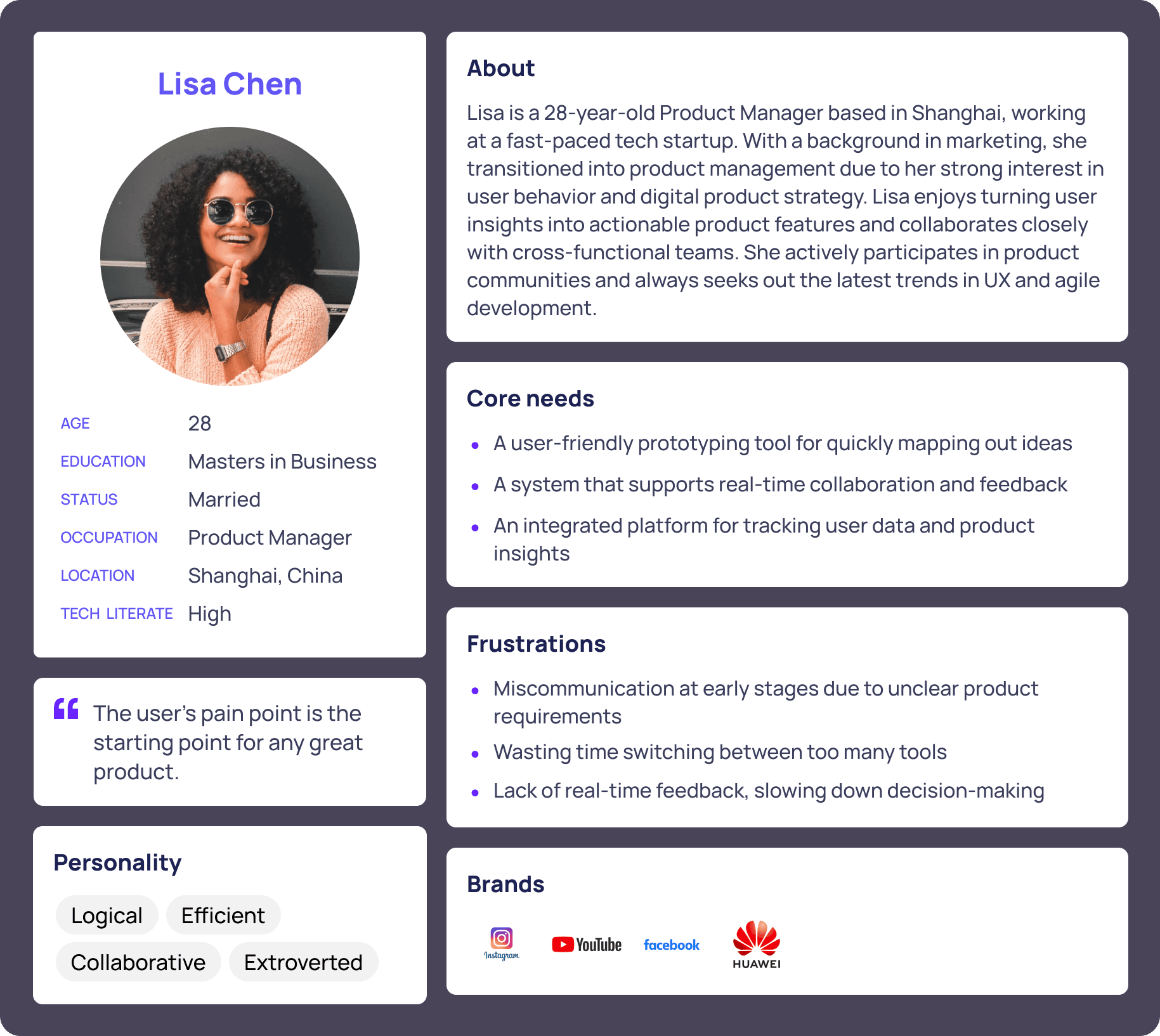
- Define User Personas: Who is this for, and what pain point does it solve?
- Value Proposition: Write a clear "elevator pitch" for the product.
- Set KPIs: How will you measure success?
Phase 2: Asset Creation (4–8 Weeks Out)
- Draft Documentation: Create help center articles and user guides.
- Content Production: Finalize landing pages, blog posts, and video demos.
- Sales Enablement: Provide sales teams with talk tracks and demo scripts.
Phase 3: The "Soft" Launch (1–2 Weeks Out)
- Beta Testing: Let a small group of trusted users test the product.
- Internal Walkthrough: Ensure every department (from Finance to Support) knows how it works.
- Final QA: The last chance to catch "showstopper" bugs.
Phase 4: The Big Day (Launch Day)
- Monitor Systems: Have your engineering team on standby for performance issues.
- Engagement: Respond to comments on social media and Product Hunt.
- Internal Celebration: Acknowledge the team's hard work!
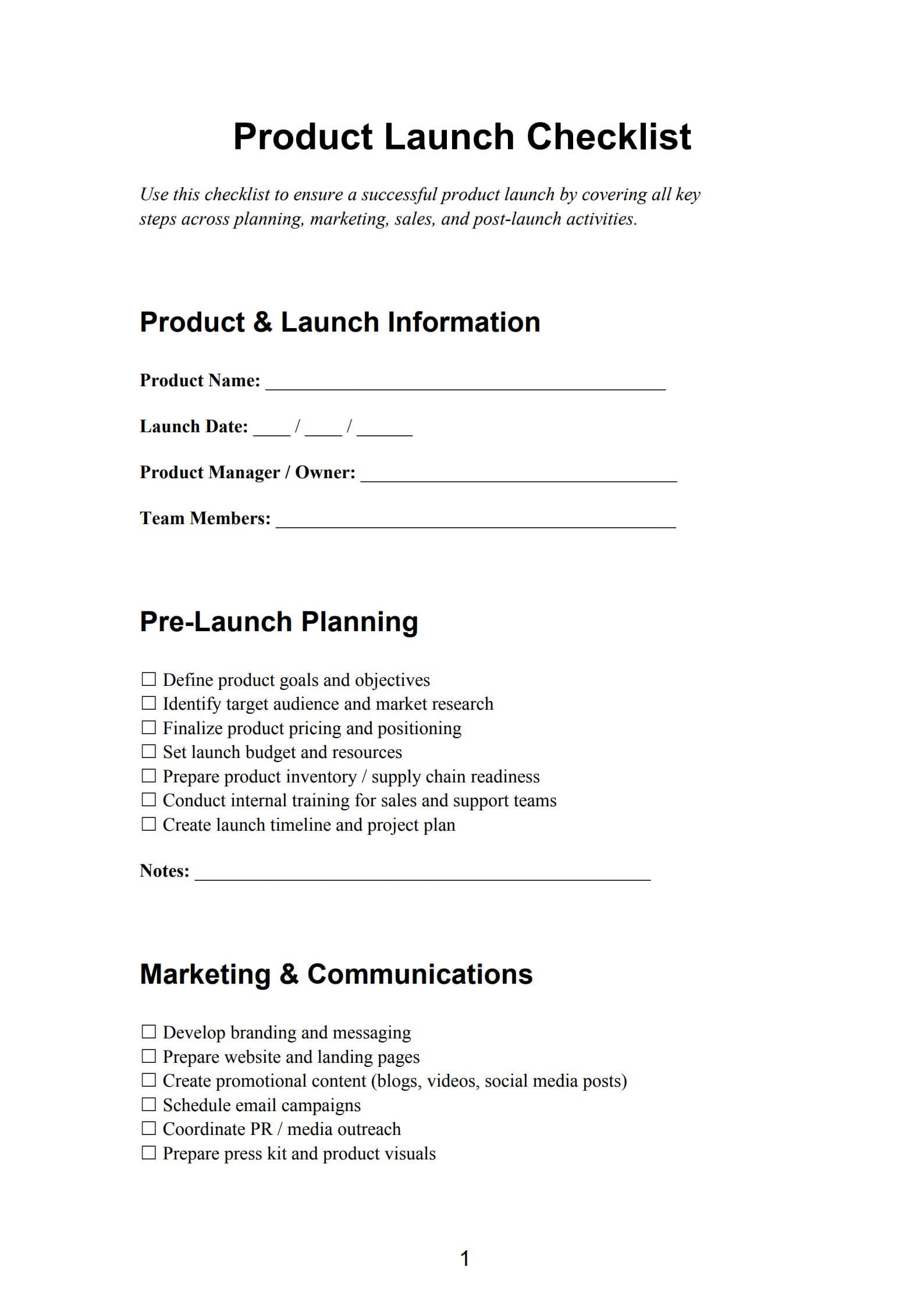
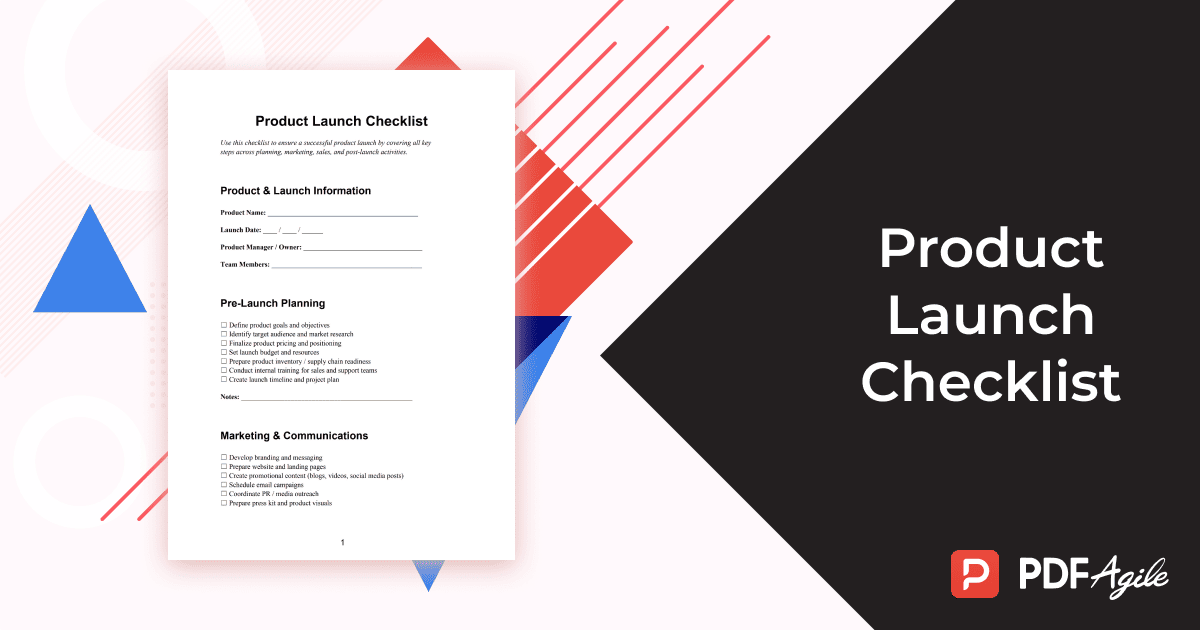
5. Customize with a Product Launch Checklist Template
No two launches are identical. To make your checklist effective, use a template that allows for departmental tagging.
Simply click Use Template button on this page. Customize it to fit your specific needs and preferences.
6. Tips to Make a Successful New Product Launch
- Start Early: The biggest mistake PMs make is waiting until the code is finished to start the marketing plan.
- Focus on the "Why," Not the "What": Customers don't care about a "new database architecture"; they care that your app is now 10x faster.
- Over-Communicate: Hold weekly "Launch Readiness" meetings with stakeholders to clear blockers.
- Prepare for the "Day After": Have a plan for gathering user feedback and pushing immediate patches post-launch.
Conclusion
A product launch is a team sport. While the Product Manager acts as the quarterback, the checklist is the playbook that keeps everyone moving in the same direction. By following this structured guide, you can replace launch-day chaos with a calculated, successful entry into the market.