


Every organization deals with sensitive information—financial data, client details, product prototypes, or trade secrets. A well‑structured Employee Confidentiality Agreement helps ensure that your staff understand their duty to protect proprietary information both during and after employment.
With PDF Agile’s customizable Employee Confidentiality Agreement Template, employers can clearly define what counts as confidential material, how it must be handled, and the consequences of disclosure—creating a strong culture of trust and data protection.
1. What Is a Staff Employee Confidentiality Agreement?
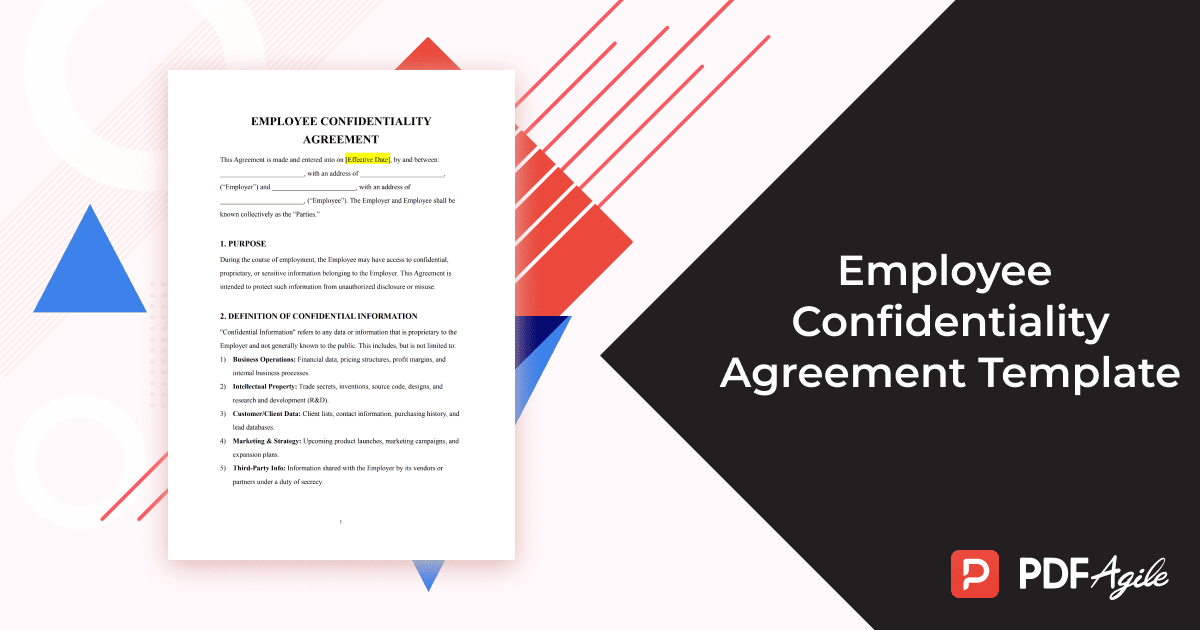
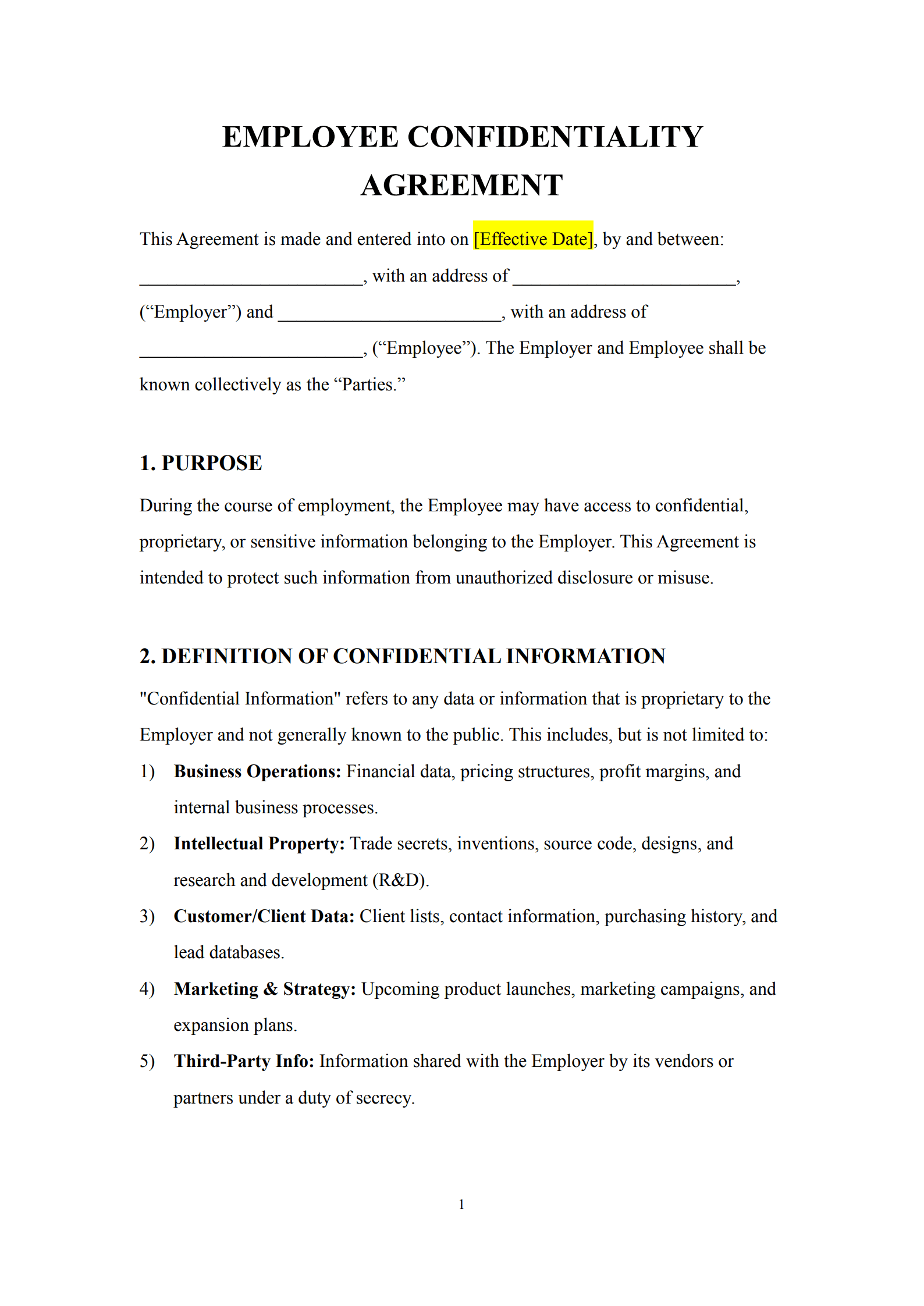
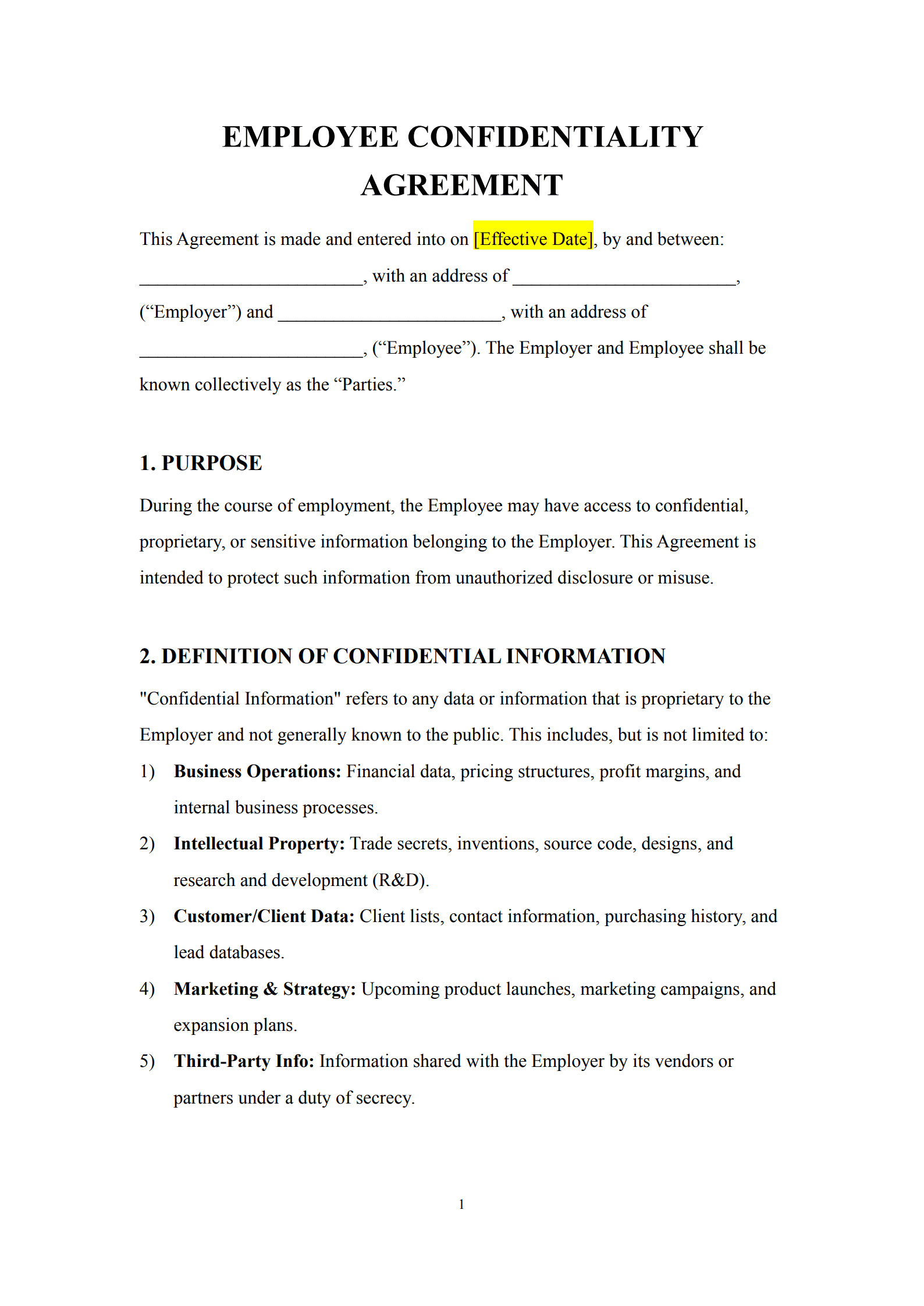
An Employee Confidentiality Agreement (also known as a Non‑Disclosure Agreement for Employees) is a legal contract between an employer and an employee. It obligates the employee to keep sensitive company information private and not share it with outsiders.
This agreement helps preserve intellectual property, prevents competitive misuse of trade secrets, and protects the organization from reputational or financial damage caused by leaks.
2. What Specific Terms Must Be Included in the Employee Confidentiality Agreement?
A comprehensive employee confidentiality contract typically contains:
- Definition of Confidential Information – What data or materials are considered confidential.
- Purpose of Disclosure – Clarifies the reason an employee may access certain information.
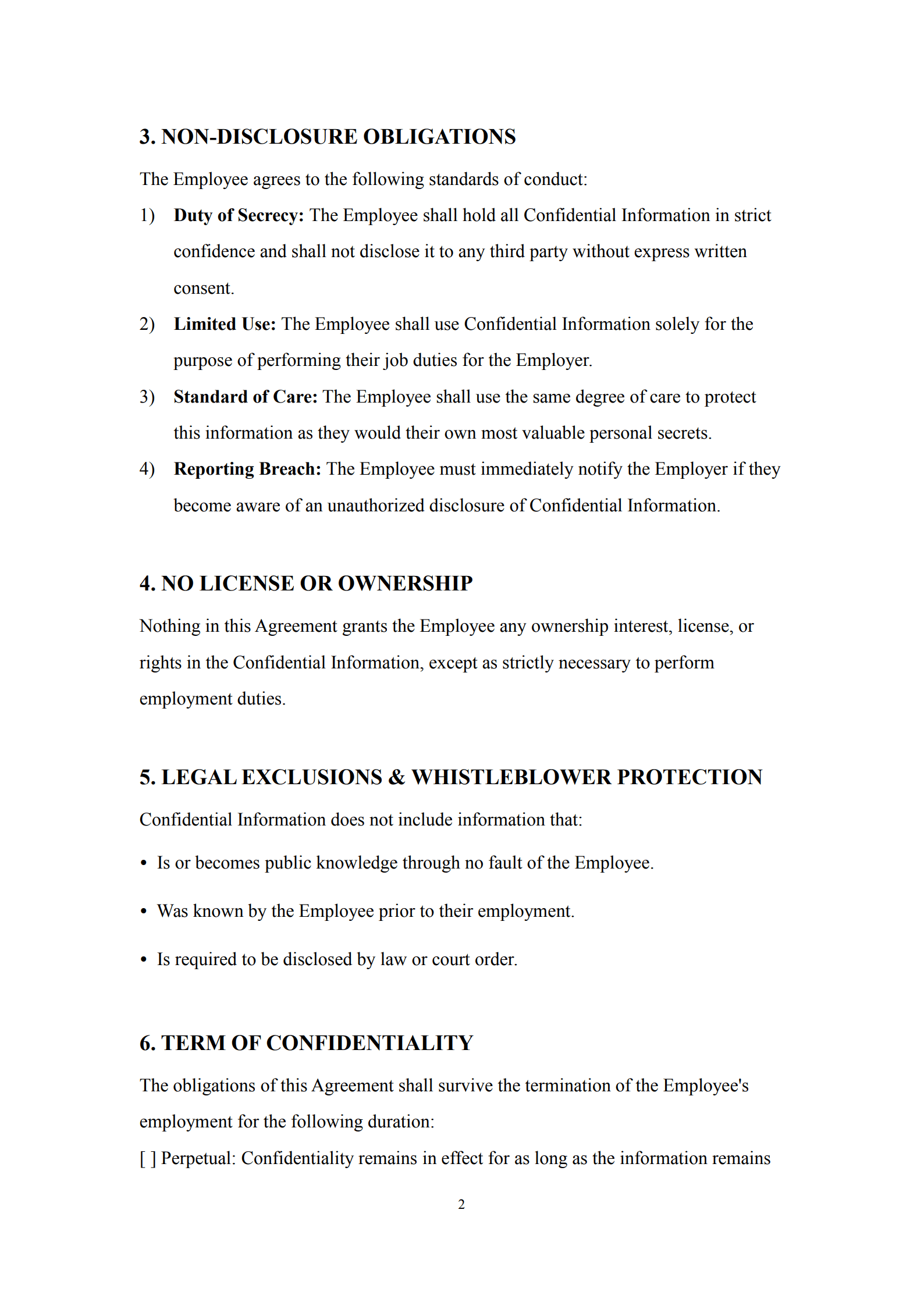
- Employee Obligations – Lists what an employee must do to protect data security.
- Exclusions from Confidentiality – Public or previously known information that is not covered.
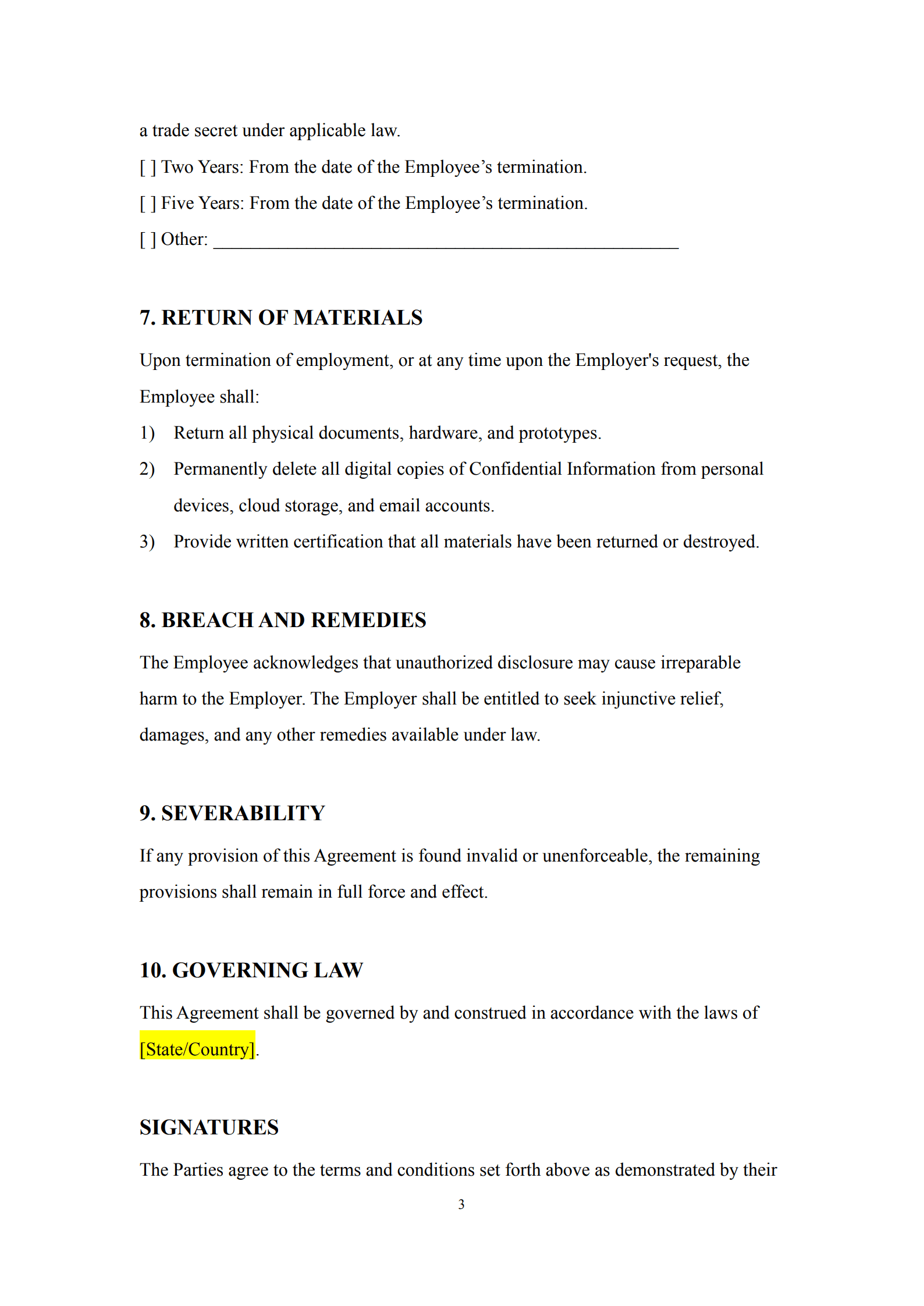
- Duration of Obligation – Specifies how long confidentiality must be maintained after employment ends.
- Return or Destruction of Materials – Rules for handling confidential documents upon termination.
- Remedies and Penalties – Consequences for breaches, including termination or legal action.
- Governing Law and Jurisdiction – Identifies which legal system governs the agreement.
3. When Must an Employee Sign This Staff Confidentiality Agreement?
Ideally, employees should sign the agreement before employment begins, as part of the hiring process. However, it may also be used:
- When employees are promoted to roles with additional access to confidential data.
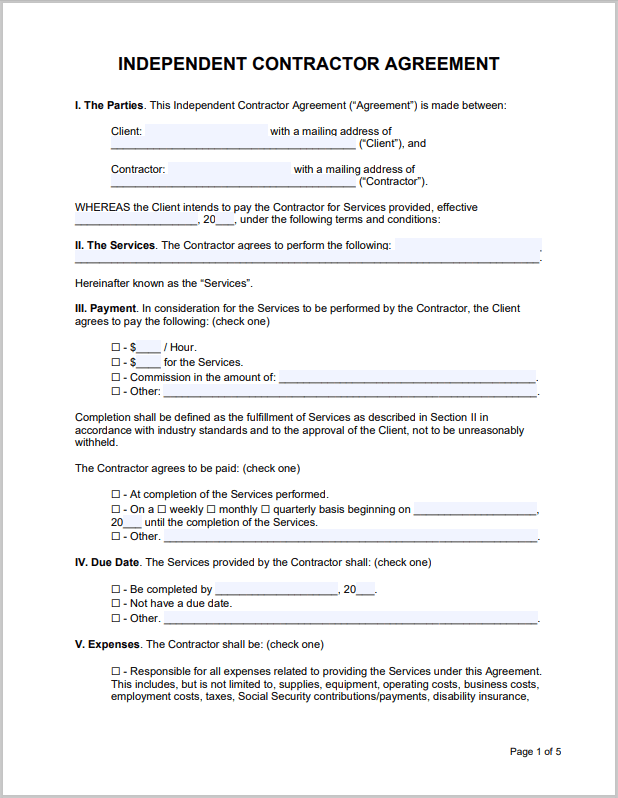
- When contractors or consultants start temporary assignments.
- During organizational changes that involve sensitive strategic information.
Having every worker sign the form ensures unified protection across all departments.
4. Why Does an Employee Confidentiality Agreement Matter for Your Business Safety?
In today’s digital environment, data leaks can occur with a single click. Having a signed confidentiality agreement helps:
- Protect proprietary data such as formulas, client lists, or financial reports.
- Prevent unauthorized sharing with competitors or media.
- Clarify employee accountability and deter misconduct.
- Enhance compliance with privacy laws and internal policies.
- Show professionalism during partnerships and audits.
A clear contractual framework builds confidence among clients, investors, and staff alike.
5. How Can You Customize This Template for Your Office?
With PDF Agile’s editable template, tailoring your agreement is quick and easy:
Step 1: Download the form and open in PDF Agile.
Step 2: Insert your company details and employee name.
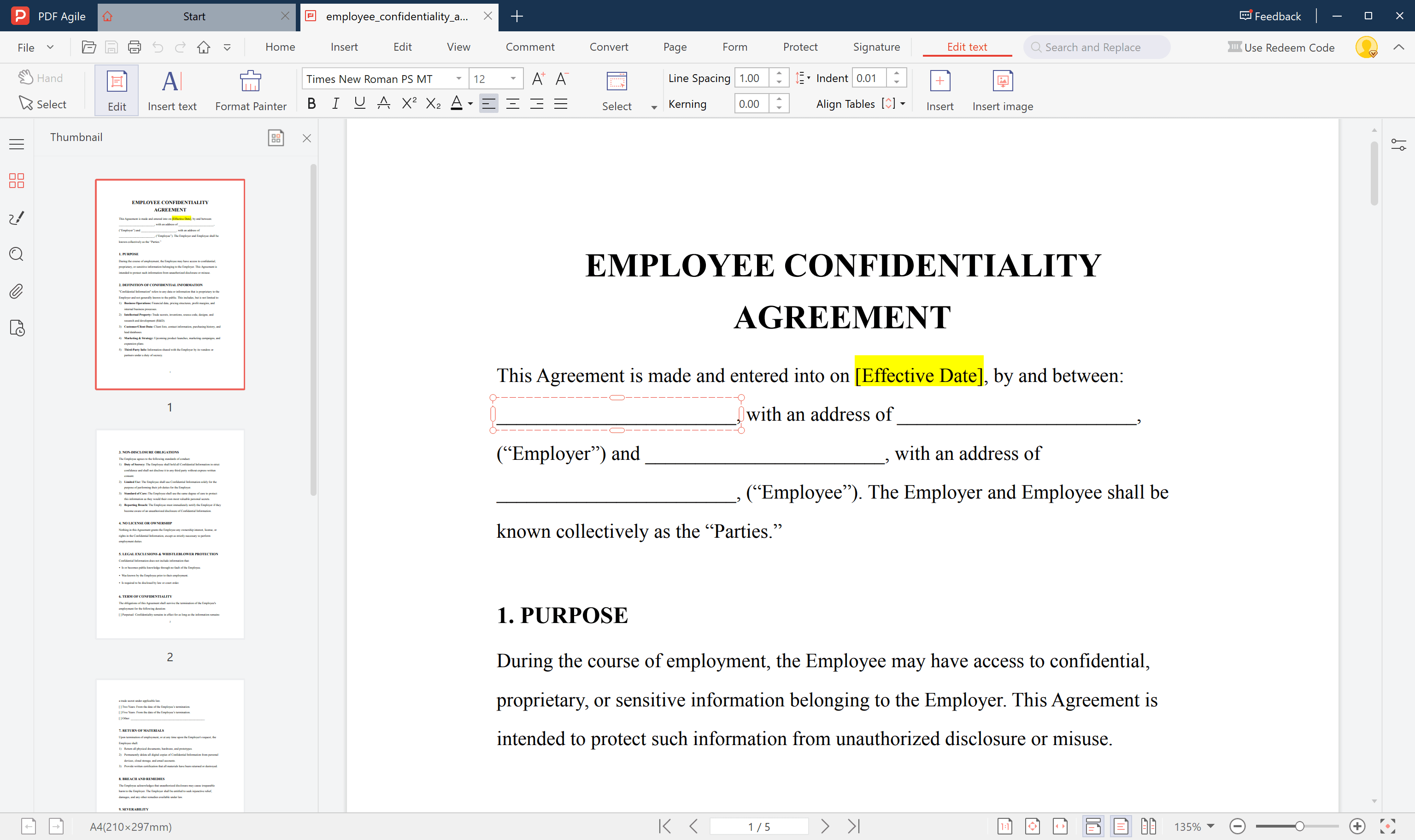
Step 3: Specify types of confidential information relevant to your industry.
Step 4: Adjust duration, penalties, and jurisdiction clauses to match your policies.
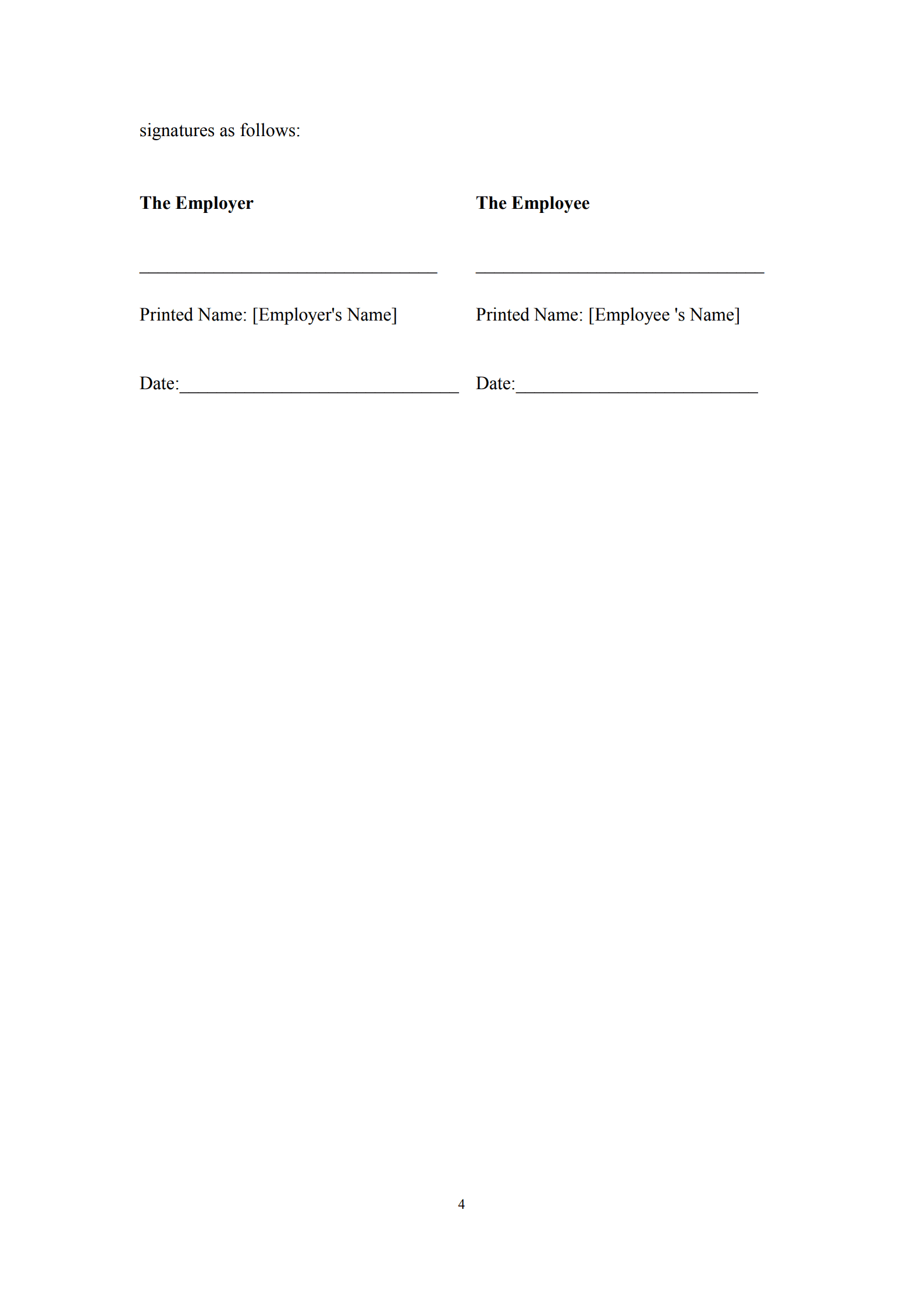
Step 5: Add e‑signatures using PDF Agile’s secure digital signing tool.
Step 6: Save, send, and store copies safely for your records.
By using PDF Agile, HR teams can issue consistent and compliant agreements to every team member within minutes.
FAQs about Employee NDA Template
1. How is this different from a non‑compete deal?
A confidentiality agreement prevents disclosure of private information, while a non‑compete restricts an employee from working with competitors for a certain period. They often work together but serve distinct purposes.
2. Do part‑time or freelance employees also need to sign a confidentiality agreement?
Yes. Any individual—including part‑time, freelance, or contract workers—who may access proprietary data should sign the agreement to ensure consistent confidentiality obligations.
3. What happens if a worker leaks private info?
Breach of the agreement can result in disciplinary action, termination, and legal consequences. The company may also seek compensation for resulting damages.
4. Does the agreement still work after a person quits?
Yes. Most confidentiality agreements remain effective after the employment ends, often for a specific duration or indefinitely, depending on the contract terms.
Final Summary
An Employee Confidentiality Agreement is more than a signed document—it’s a vital tool for protecting business integrity. By clearly stating confidentiality standards, you minimize information risks and demonstrate your company’s commitment to data security.
With PDF Agile’s ready‑to‑use template, you can craft a professional, legally robust agreement that fits your organization’s structure and ensures your valuable information stays safe.
Free Download: Printable Employee Confidentiality Agreement Template
You can download the Employee Confidentiality Agreement mentioned above by clicking Use Template button on the right side of this page. Customize it to fit your specific needs and preferences.