


Whether you are writing a sprawling fantasy novel, a screenplay, or developing a campaign for your next D&D session, your characters are the heartbeat of your story. But keeping track of their eye color, tragic backstories, and secret phobias can be overwhelming.
That is where a character bio template comes in. It’s more than just a list of traits; it’s the blueprint of a living, breathing soul. In this guide, we’ll explore how to build deep characters and provide you with a free, editable format to get started.
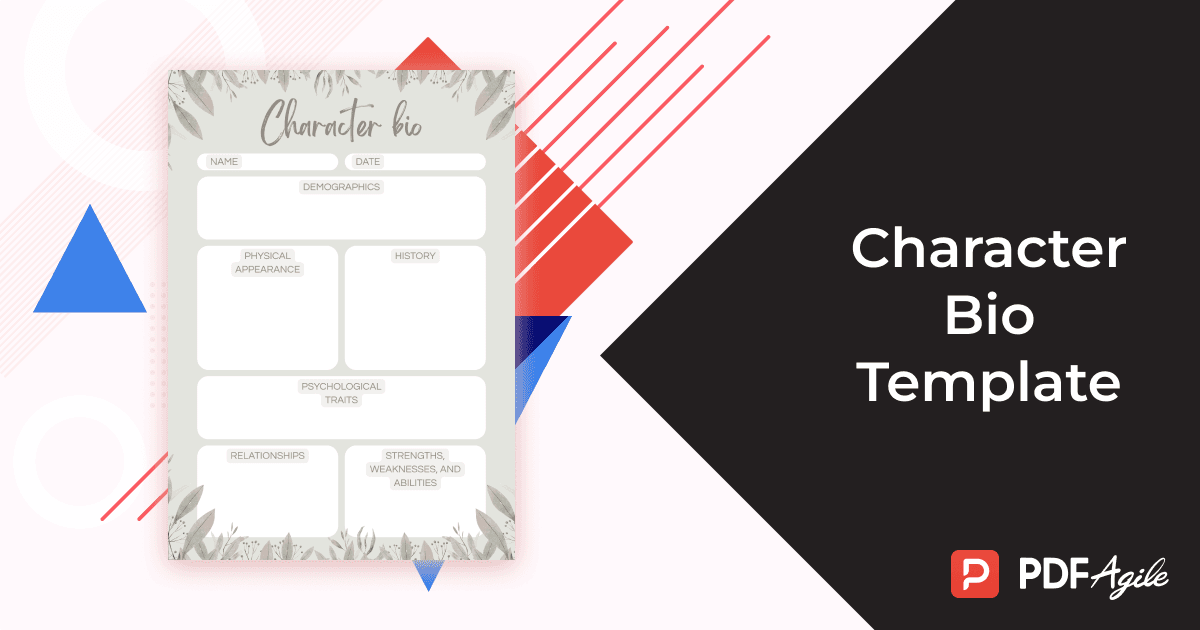
1. What is a Character Bio?
A character bio (or character profile) is a comprehensive document that outlines the physical, psychological, and historical details of a fictional character.
Think of it as a "background check" for your protagonist or antagonist. It helps authors maintain consistency throughout a story, ensuring that a character doesn't suddenly change their core values or hair color halfway through Chapter 10.
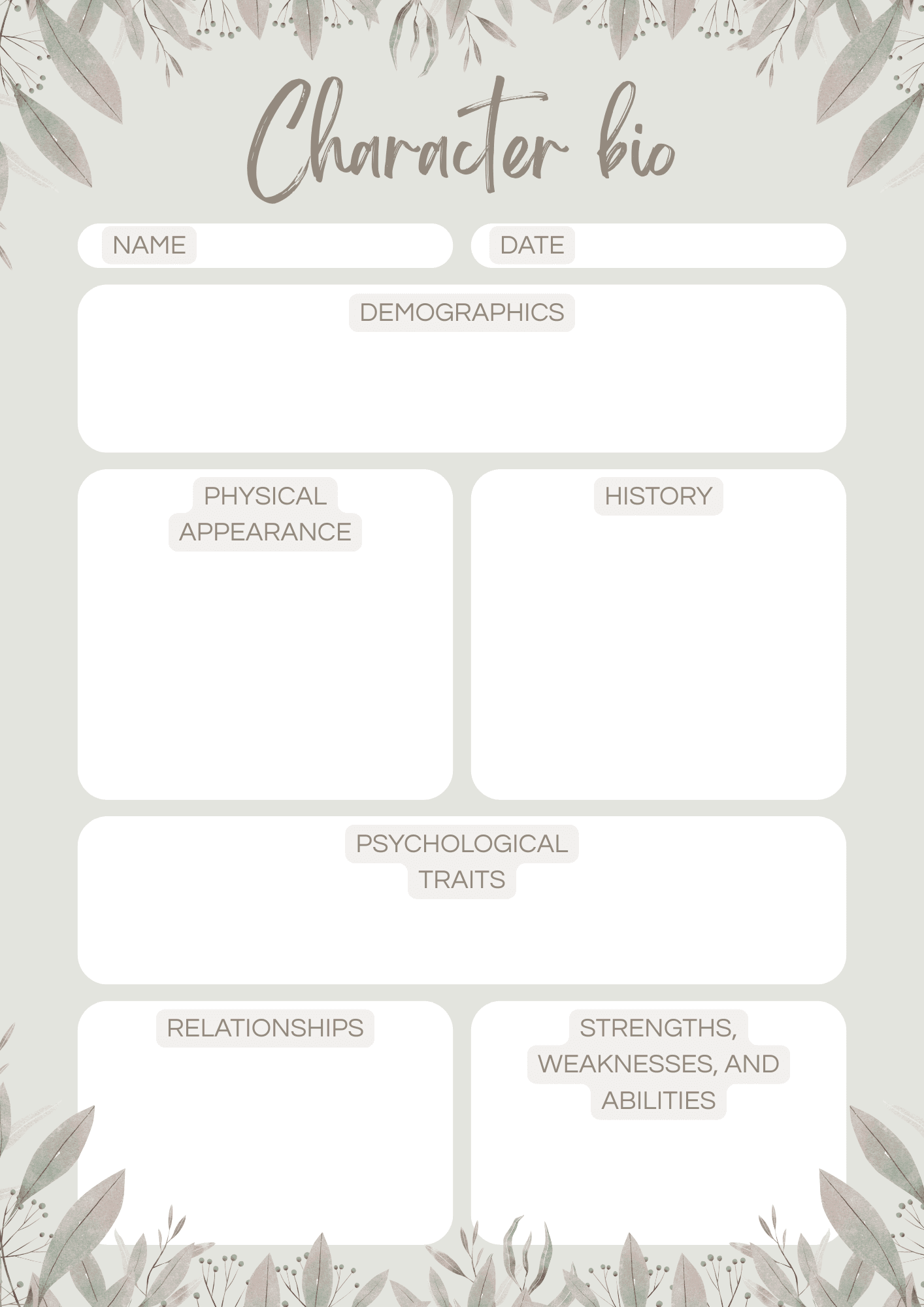
2. What to Include in a Character Bio?
A great bio moves beyond the surface. To create a multi-dimensional character, your template should include:
- The Basics: Name, age, occupation, and role in the story (e.g., Protagonist, Mentor).
- Physical Appearance: Height, style of dress, posture, and any "distinguishing marks" like scars or tattoos.
- Personality & Psychology: Temperament (introvert/extrovert), core values, and their biggest fear.
- Backstory: Where they grew up, their "ghost" (a past event that still haunts them), and their education.
- Motivation: What do they want (external goal) and what do they need (internal growth)?
- Quirks & Habits: Do they bite their nails? Do they use big words to sound smart?
3. Benefits of Using a Character Bio Template
Why bother filling out a form when you could be writing the story?
- Prevents Plot Holes: You won't forget that your hero is allergic to peanuts just as they sit down for a PB&J.
- Speeds Up Drafting: When you know your character’s voice and reactions, the dialogue writes itself.
- Deepens Conflict: By knowing a character's fear, you know exactly how to challenge them.
- Easy Organization: Using a tool like PDFAgile, you can keep all your character sheets in one organized, printable PDF file.
4. How to Create a Character Bio with Templates?
You don't need to start from scratch. Use this structure to build your own:
The "Core Identity" Template
Name: ____________________
Age/Date of Birth: ___________
One-Sentence Archetype: (e.g., The Reluctant Hero)
Physical Profile: > * Eyes/Hair: __________________
- Key Feature: _________________
The Inner Self: > * Greatest Strength: _____________
- Fatal Flaw: ___________________
- The "Secret": What is one thing they told no one? ____________
Pro Tip: Once you fill this out, use PDFAgile to save it as an editable PDF. This allows you to print it for your "story bible" or edit it as the character evolves during your first draft.
5. Amazing Ideas about Character Development
- The "Want" vs. the "Need": A character might want a promotion (external), but they need to learn humility (internal). Real growth happens when they sacrifice their want for their need.
- Give Them a Paradox: People are contradictory. A brave knight who is terrified of spiders is more interesting than a knight who is afraid of nothing.
- The "Voice" Test: Write a 200-word journal entry from their perspective. If it sounds like you and not them, you need to go back to the bio.
6. FAQs about Character Bios
6.1 Can ChatGPT create a character?
Absolutely! ChatGPT is a fantastic brainstorming partner. You can provide a prompt like "Give me three unique flaws for a 1920s detective," and use the suggestions to fill out your PDFAgile template.
6.2 What are 50 character traits?
Here is a quick mix to get you started:
- Positive: Resilient, witty, empathetic, meticulous, stoic.
- Negative: Cynical, vain, impulsive, possessive, indecisive.
- Neutral/Unique: Eccentric, whimsical, skeptical, formal, brooding.
6.3 How can I show, not tell, character traits?
Instead of saying "John is angry" (telling), write "John’s knuckles turned white as he gripped the steering wheel" (showing). Use your bio to list the actions a character takes when they feel an emotion.
6.4 What makes a good villain?
A great villain is the hero of their own story. They shouldn't be "evil for the sake of evil." Give them a logical (if twisted) motivation, a relatable pain, and a trait that the reader might actually admire.